
As a wholesaler of HDPE pipe welding equipment, offering dependable butt fusion and electrofusion solutions is essential for contractors, municipal water authorities, and industrial pipeline projects. This guide explains how to choose the right HDPE pipe welder, highlights product categories, and outlines buying and after-sales considerations to help procurement teams and distributors make informed decisions.
Why Buy HDPE Pipe Welders from a Wholesaler?
Cost efficiency, consistent supply, and technical support are the top reasons contractors and municipal buyers prefer wholesalers. Buying in larger volumes reduces unit costs, streamlines logistics for long-term projects, and ensures replacement parts and consumables are available when needed. Wholesalers typically provide product bundles—machines, heating plates, cutters, clamps—and service agreements that keep downtime to a minimum.

Common HDPE Welder Types for Wholesale Suppliers
Wholesale inventories usually include a spectrum of machines to match jobsite needs: manual/portable units for small-diameter lines, hydraulic frame machines for medium to large diameters, and CNC automatic butt fusion systems for high-volume or precision-critical projects.
Quick comparison table
| Model Type | Pipe Range | Automation | Best For |
|---|---|---|---|
| Manual/Portable | 20mm–160mm | Manual | Rural water, service lines |
| Hydraulic Frame | 160mm–1200mm+ | Semi-automatic | Municipal water, gas networks |
| CNC Automatic | 63mm–630mm (typical) | Full automatic | Large projects, high throughput |
Key Features to Look For
Robust clamping systems, accurate heating control, and clear fusion parameter logging are must-haves. Additional value comes from modular fixtures for fittings, durable trimming tools, and easy-to-use control panels. For wholesalers serving varied markets, offering machines with interchangeable clamps and upgrade paths helps meet diverse client needs.
Applications: Water Supply & Industrial Pipelines
HDPE welding equipment is widely used in:
- Municipal water distribution: leak-free joints and corrosion resistance extend service life and reduce maintenance.
- Industrial process pipelines: chemical and mining industries favor HDPE for abrasion and chemical resistance.
- Agricultural irrigation systems, gas distribution (using appropriate certified materials), and trenchless installations.
Installation, Training & After-Sales
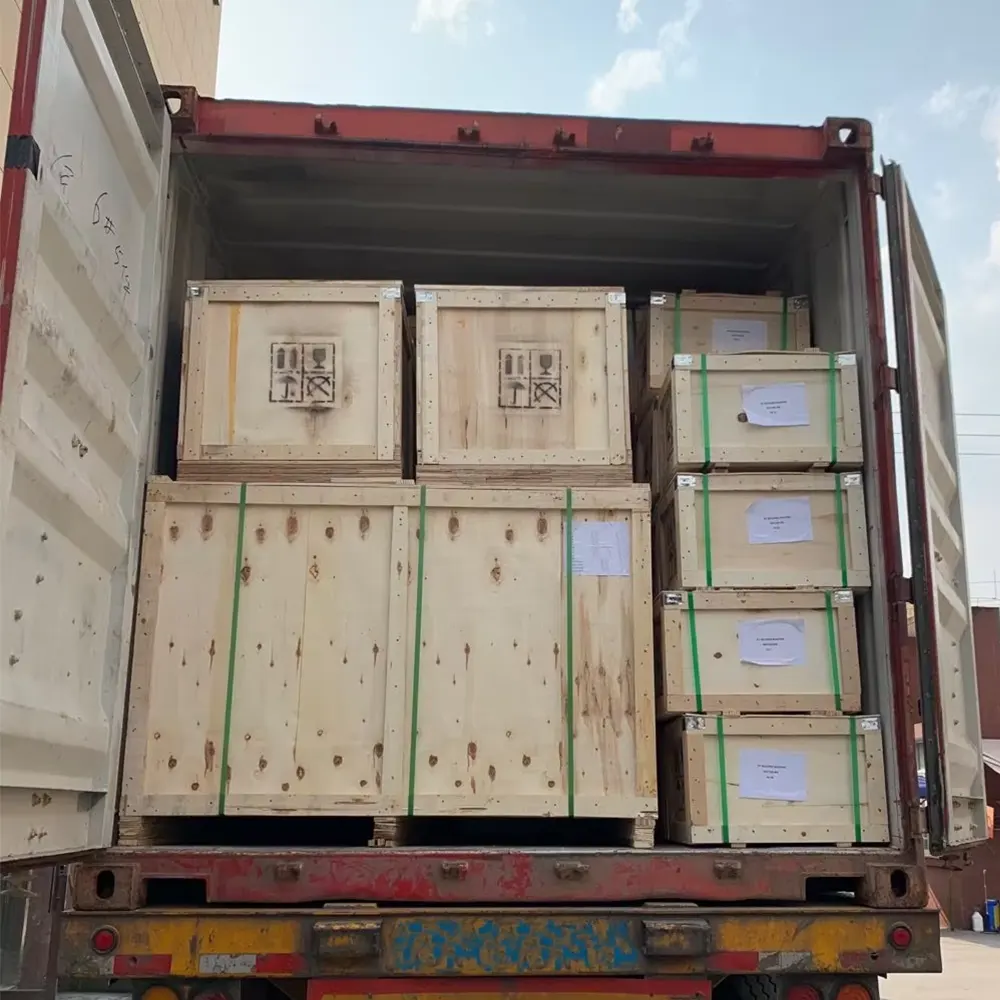
Wholesalers who supply training, on-site commissioning, and documentation help contractors meet fusion quality standards. Ensure machine supply includes spare parts kits and clear maintenance schedules. Offering remote troubleshooting or local technical partners improves uptime and fosters repeat business.
Certifications, Quality & Logistics
Look for equipment that complies with international standards for fusion procedures and machine safety. Reliable wholesalers coordinate shipping, customs paperwork, and warranty support—critical for international projects and tight schedules.
Buying Tips for Procurement Teams
Before placing a wholesale order, confirm projected project sizes, daily joint targets, and on-site power sources. Request demo reports, sample welds, and a list of included accessories. Compare warranty terms, spare-part lead times, and optional automation modules to ensure long-term value.
Get Started
For wholesale inquiries or product lists tailored to large-scale water and industrial pipeline projects, contact JQ-Fusion via their website: https://jq-fusionwelding.com/. Choosing the right wholesaler ensures steady supply, technical backup, and consistent fusion quality across all job sites.



