
Electrofusion fittings are a reliable way to join HDPE pipes when correct installation and welding precautions are followed. This guide covers step-by-step preparation, installation best practices, safety precautions, and quality control tips to achieve durable, leak-free joints on-site.
Why Choose Electrofusion for HDPE Pipes?
Electrofusion welding delivers consistent, high-strength connections for gas, water, and industrial pipelines. Because heating elements are embedded in the fittings, the method reduces operator variability and is ideal for repair work, confined spaces, and complex networks.
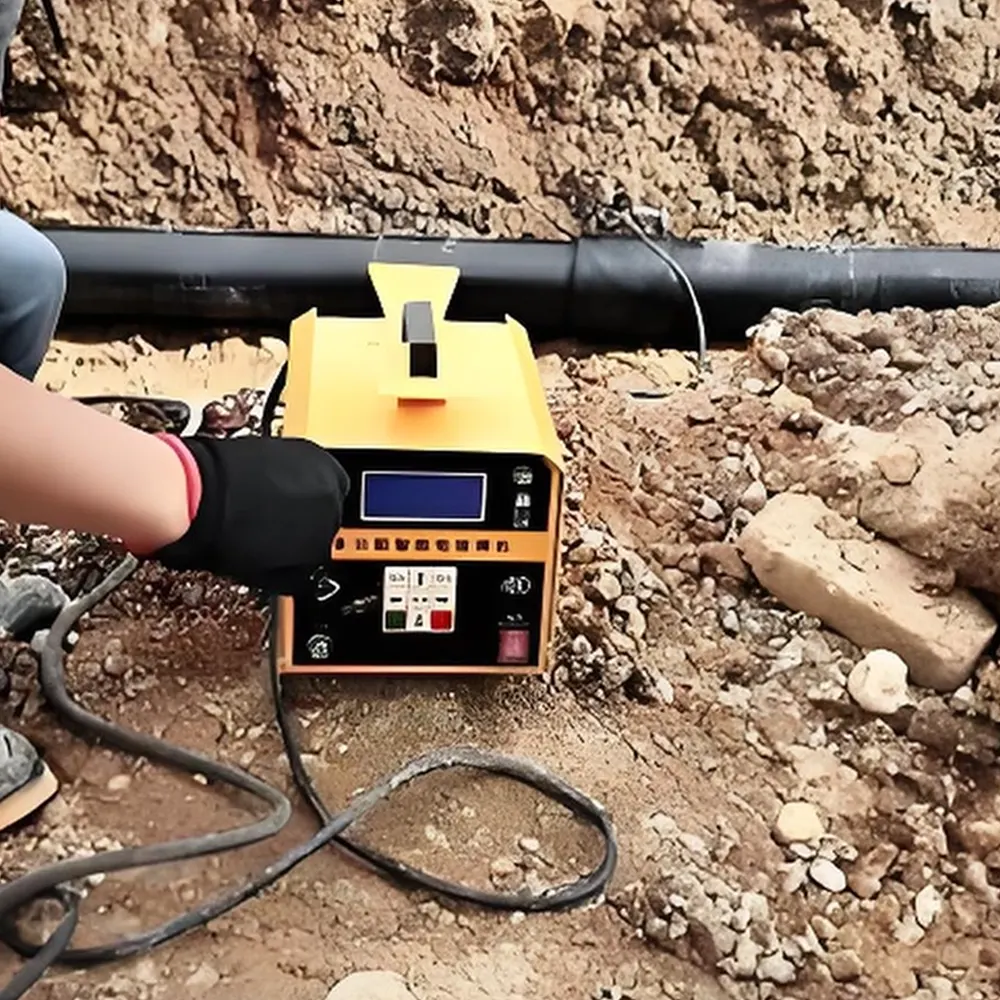
Site Preparation & Tools Checklist
Successful electrofusion starts before any power is applied. Prepare the pipe, the work area, and the correct equipment.
| Item | Why It Matters |
|---|---|
| Cleanliness & Dry Area | Dirt or moisture causes weak bonds and porosity; keep surfaces dry and dust-free. |
| Approved Electrofusion Unit | Use a calibrated, compatible power unit with correct voltage/current profiles. |
| Scraper & Deburring Tools | Remove oxidised layers and burrs to expose clean PE for fusion. |
| Clamps & Alignment Jigs | Prevent movement during heating and cooling for consistent joint geometry. |
| Thermometer / Ambient Log | Monitor temperature; ambient conditions affect weld time and cooling. |
Installation Steps (Concise & Correct)
Follow each step in sequence to avoid common failures. Each action influences bond strength and long-term reliability.
1. Inspect the Fitting and Pipe: Verify correct size, material compatibility, and absence of cracks or contamination.
2. Mark & Align: Mark insertion depth and alignment to prevent misalignment after fusion.
3. Square Cut & Chamfer: Ensure pipe ends are cut square. Light chamfering helps insertion without scraping the heating coil.
4. Remove Oxidation: Use an approved scraper to remove oxidised surface layers. For best results, scrape radially until the shiny PE is exposed.
5. Clean the Surface: Use an alcohol wipe or manufacturer-recommended cleaner to remove dust or grease.
6. Fit Clamps & Connect Power Unit: Secure clamps to hold parts rigidly, then connect the electrofusion unit and read the fitting barcode or manual program.
7. Execute Weld Cycle: Start the fusion cycle and watch for unit confirmations. Do not disturb parts during heating or the controlled cooling period.
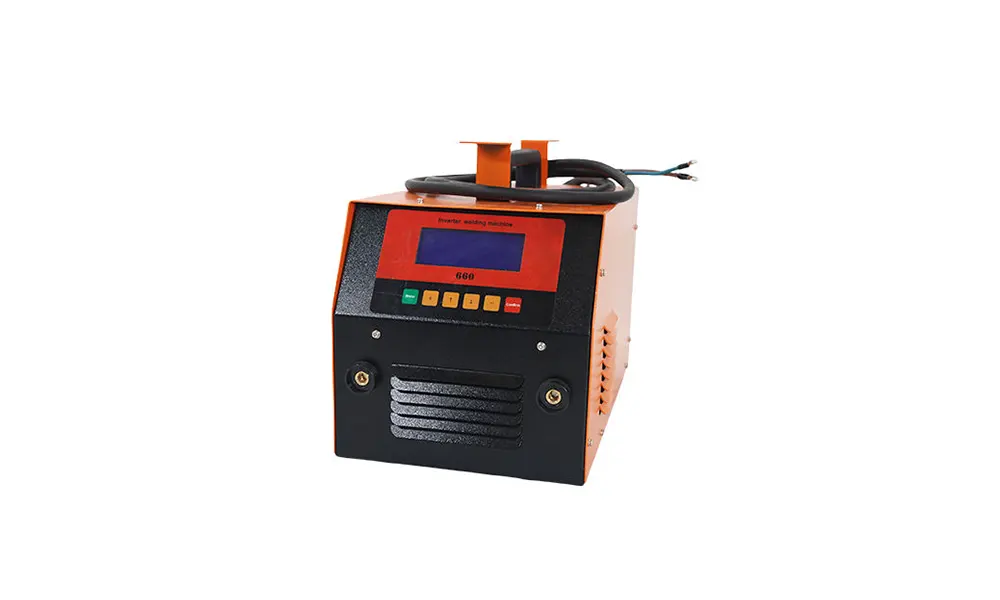
Critical Welding Precautions
Attention to detail prevents costly reworks and safety incidents. The following precautions are essential:
Power Profile Accuracy: Always use the specified voltage, current, and time for the fitting. Deviating from the recommended profile risks cold or over-melted joints.
Do Not Move During Cooling: Movement while the joint is cooling creates micro-gaps and weak welds. Observe the manufacturer-specified cooling time; larger diameters need longer cooling.
Environmental Controls: Wind, rain, and extreme temperatures affect energy transfer and fusion quality. Provide shielding and consider pre-heating pipes in cold climates.
Use Manufacturer-Approved Fittings: Mixing brands or unapproved fittings can yield inconsistent melting behavior and uneven heating.
Common Defects & Remedies
Knowing typical failure modes allows rapid corrective action.
| Defect | Likely Cause & Fix |
|---|---|
| Cold Weld | Insufficient heat or premature movement. Re-fuse with correct profile or replace fitting if compromised. |
| Over-Melt / Extrusion | Excessive energy or prolonged weld time. Verify unit calibration and adhere to specified cycle. |
| Void or Incomplete Fusion | Contamination or uneven scraping. Clean and prepare surfaces; reject the joint if voids are visible. |
Testing, Documentation & Quality Control
Document every weld: fitting ID, operator, machine ID, welding profile, ambient conditions, and post-weld inspections. Conduct pressure testing according to local standards before backfilling or commissioning.
Non-destructive examination (visual, pull tests on sample joints, or ultrasonic where available) helps detect hidden defects. Keep a calibration log for electrofusion units to maintain repeatability.
Site Safety & Regulatory Considerations
Protect personnel with PPE: insulated gloves, eye protection, and flat-soled footwear. Ensure proper grounding of the electrofusion unit and use residual current protection where required. Follow local codes for gas or potable water installations when planning welds and tests.
Storage & Maintenance of Fittings and Equipment
Store fittings in clean, dry conditions away from direct sunlight and contaminants. Regularly inspect cables, connectors, and clamps for damage. Replace worn scrapers and ensure the power unit battery and firmware are up-to-date.
Final Tips for Reliable Joints
Train operators on manufacturer procedures, run practice welds after maintenance, and always follow the fitting manufacturer’s data sheet. Small investments in preparation and QA lead to long-term system reliability.
Company
JQ-Fusion provides HDPE welding and electrofusion equipment and can supply calibrated machines and training resources for installers: https://jq-fusionwelding.com/



