
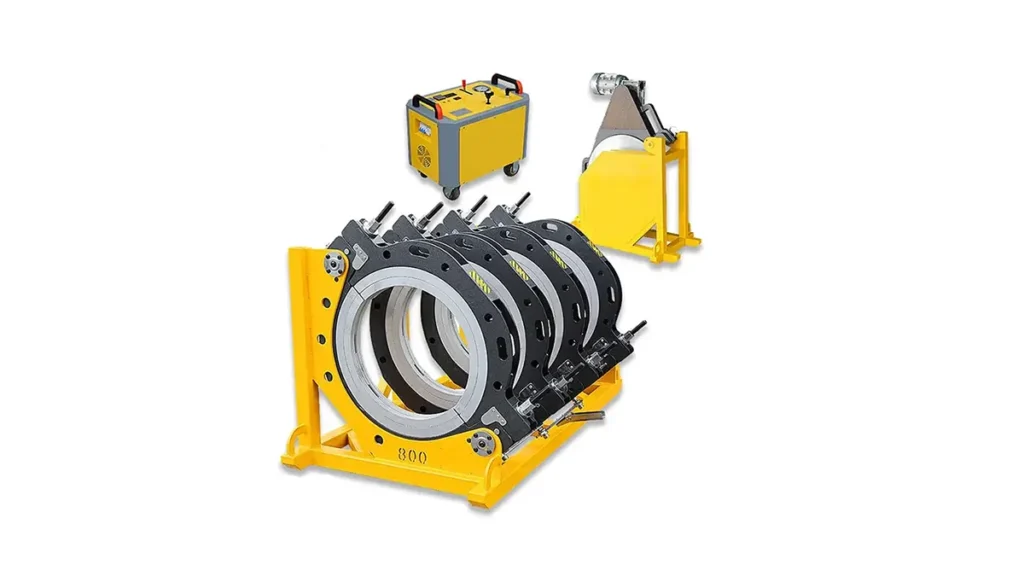
If you are searching for a reliable butt fusion welder supplier in Serbia, this guide will help municipal engineers, pipeline contractors, and HDPE installers choose the right pipe welding solution for projects ranging from urban water mains to rural irrigation networks. Learn about machine types, selection tips, local applications in Serbia, and where to get professional support.
Why Butt Fusion Welding Is the Preferred Method in Serbia
Butt fusion welding creates homogenous, leak-free joints for HDPE and other thermoplastic pipes — an ideal match for Serbia’s growing infrastructure needs. From cold, wet winters in Belgrade to agricultural irrigation in Vojvodina, butt fusion offers excellent long-term performance where corrosion resistance and flexibility matter most.
Key advantages
– Durable, pressure-rated joints for water, gas, and industrial pipelines.
– Minimal maintenance and excellent resistance to chemical attack and frost.
– Scalable solutions for small municipal crews and large contractor fleets.
Butt Fusion Machine Types for Serbian Projects
Choose between manual, hydraulic, and CNC automatic welders depending on pipe diameter, production rate, and on-site conditions. Each type brings advantages for different use cases across Serbia:
Manual Welders
Best for remote sites, small-diameter repairs, and teams who need portability. Manual units are lightweight and easy to transport between villages and small job sites.
Hydraulic Welders
Designed for heavy-duty work and larger diameter pipes commonly used in trunk water mains and industrial applications. They provide consistent pressure control and durability on long pipeline runs.
CNC Automatic Welders
For high-volume, precision welding in factory or large construction settings — automatic systems reduce operator variability and increase throughput for contractors handling city-scale networks.
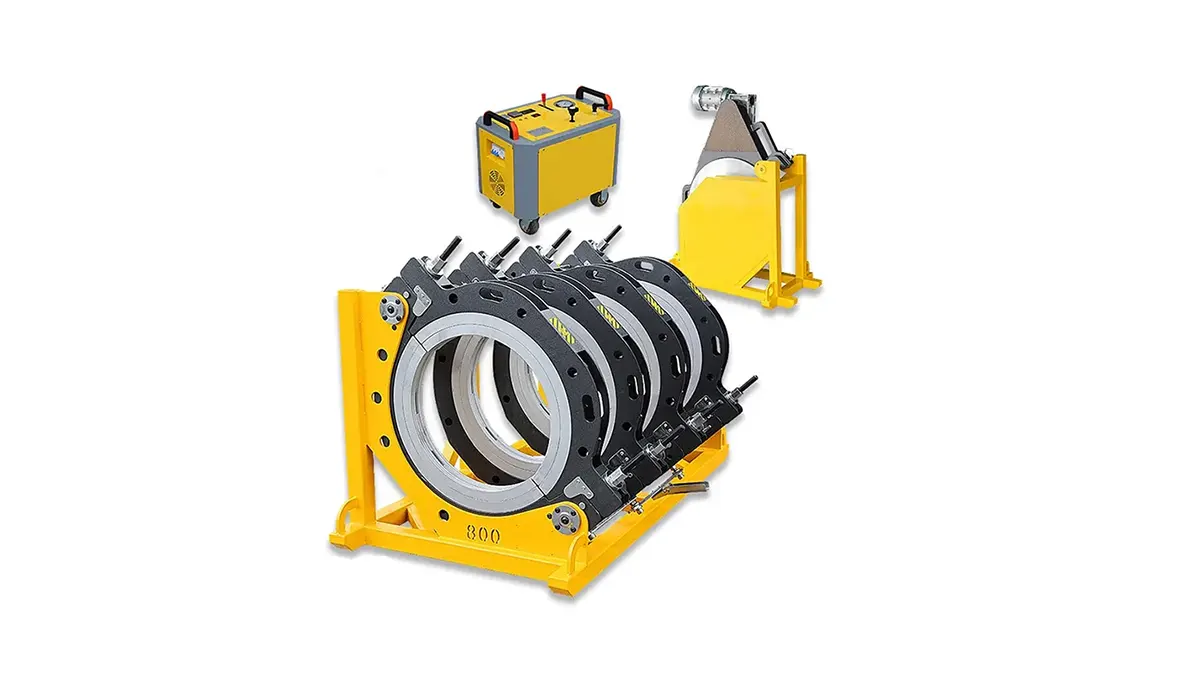
Model Comparison — Quick Reference
| Model | Type | Pipe Range | Power | Ideal Use |
|---|---|---|---|---|
| JQSY-2M | Manual | 20–160 mm | Portable | Rural repairs, small crews |
| JQH400 | Hydraulic | 160–400 mm | Hydraulic station | Municipal mains, contractors |
| JQA250 | Automatic CNC | 20–250 mm | Electric | Plant production, high-precision work |
| Large-Dia Series | Hydraulic / CNC | 400–2250 mm | Heavy-duty | Trunk pipelines, industrial |
Selecting the Right Welder for Local Conditions
Consider these Serbia-specific factors when choosing equipment:
Pipe material & diameter:
Match the welder to the full range of diameters used on your project to avoid downtime from adapters or additional units.
Site accessibility:
For projects in hilly or remote areas (mountain villages, riverside works), portability and quick setup are priorities.
Standards & certification:
Ensure machines and welding procedures meet European and local standards (EN, ISO) required for public utilities and gas networks.
Services, Training and After-Sales in Serbia
Reliable supply is more than machines: look for suppliers that offer spare parts, calibration, operator training, and rapid technical support. Local logistics for timely delivery to Serbian cities — Belgrade, Novi Sad, Niš — and surrounding regions can save days on project schedules.
Applications Across Serbia
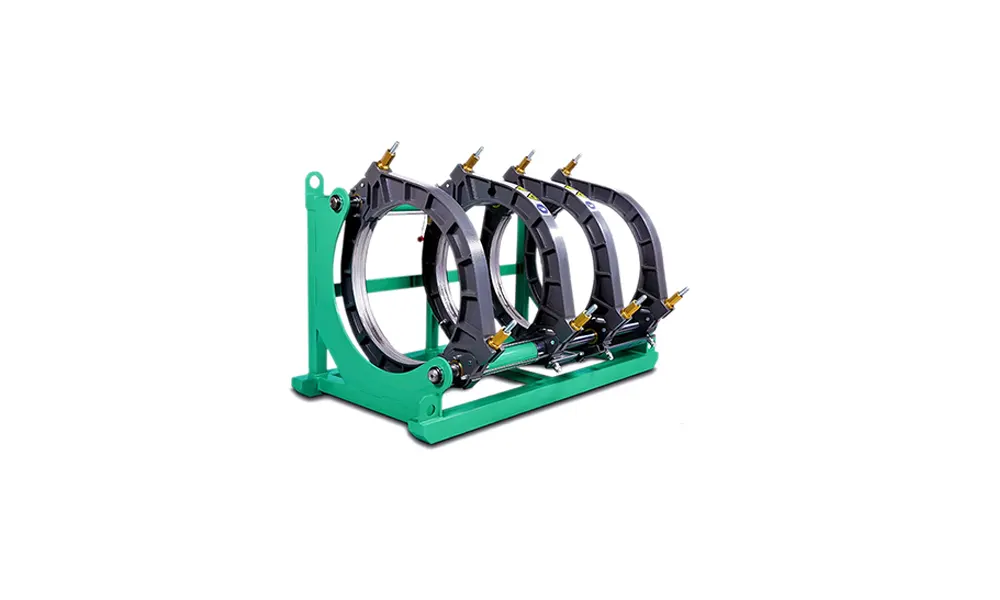
Butt fusion welders are widely used in water supply upgrades, natural gas distribution expansions, agricultural irrigation systems in Vojvodina, mining operations in eastern Serbia, and industrial pipeline installations. Their corrosion resistance and joint strength are well suited for the country’s diverse climates and terrains.
How to Procure Equipment
When procuring, request detailed technical datasheets, on-site training options, and a spare-parts list. Verify lead times for delivery and installation to keep project timelines on track.
Supplier & Contact
For manufacturer-direct solutions, consider visiting https://jq-fusionwelding.com/ to review models, request quotations, and arrange training or local support.
Frequently Asked Questions
Q: Can a single machine cover all pipe sizes?
A: Most suppliers offer modular clamp sets and adapters. For projects with a wide diameter range, verify compatibility or plan for multiple machines.
Q: What training is needed for Serbian crews?
A: Basic operator training covers preparation, alignment, heating, fusion, and cooling. Certified training ensures weld integrity and compliance with European standards.
Q: What maintenance is required?
A: Regular calibration of heaters and control systems, inspection of clamps, and keeping hydraulic units and electric controls clean will extend machine life and welding quality.



