
As the Netherlands continues to invest in resilient water networks, renewable energy pipelines, and urban infrastructure, reliable HDPE pipe welding solutions are in high demand. This guide explains how a dedicated HDPE pipe welding machine factory can support Dutch contractors, municipal water authorities, and pipeline installers with durable butt fusion equipment tailored to local conditions.
Why HDPE Pipe Welding Matters for the Netherlands
The Netherlands faces unique infrastructure challenges: low-lying terrain, extensive water management systems, and a dense urban environment that requires fast, leak-free pipeline installation. HDPE (High-Density Polyethylene) pipes are widely used for drinking water, gas distribution, stormwater systems, and district heating because of their corrosion resistance, flexibility, and long service life. Choosing the right welding machine ensures consistent fusion quality, minimizes downtime, and meets Dutch regulatory expectations for safety and environmental performance.
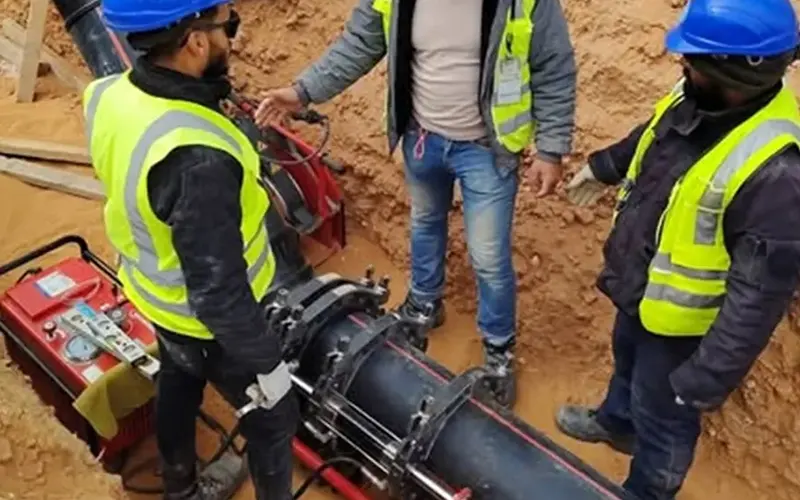
Types of Butt Fusion Machines Suitable for Dutch Projects
Manual machines: Lightweight and portable for small repairs or confined urban jobs. Ideal for municipal teams handling diverse tasks across neighborhoods. Hydraulic machines: Offer higher clamping force and smoother operation for medium to large diameter pipes used in trunk mains. Automatic/CNC systems: Provide repeatable, data-logged welds for large infrastructure and long pipeline runs, often required by large contractors and utilities in the Netherlands.
Key Benefits of Modern Butt Fusion Equipment
– Consistent joint strength and leak-free performance
– Reduced field time through faster cycle control and pre-programmed weld parameters
– Improved traceability with digital welding logs for compliance and warranty
– Modular tooling enabling a wide diameter range from small service lines to large mains
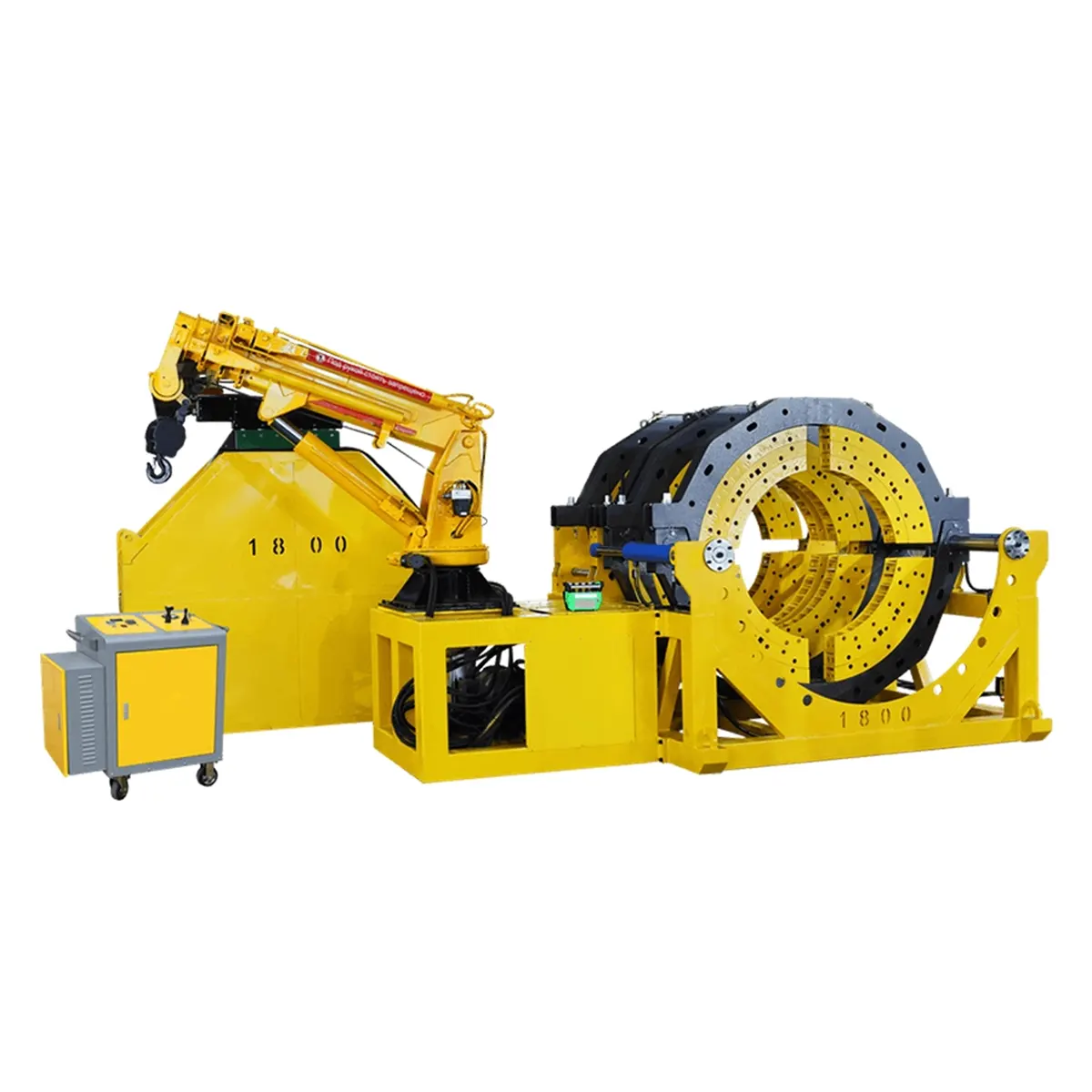
How to Select the Right Machine for Your Project
Select based on pipe diameter, site conditions, and production needs. For city utility repairs or retrofits, compact manual or semi-automatic machines are often best. For new trunk line installations or large-diameter district heating networks, consider hydraulic or CNC automatics that support higher throughput and data capture.
Quick Selection Table
| Project Need | Recommended Machine | Typical Pipe Range |
|---|---|---|
| Small repairs / service connections | Manual / Portable Butt Fusion | 20 mm – 315 mm |
| Medium mains / urban networks | Hydraulic Semi-Automatic | 160 mm – 1000 mm |
| Large-diameter trunk lines | CNC Automatic / Large Hydraulic | 800 mm – 2500+ mm |
Compliance, Quality & Local Support
Dutch projects require documented welding quality and traceability. Look for machines with digital logging, temperature and pressure control, and compatibility with local training programs and standards. Local service partners or straightforward shipping to the Netherlands can reduce downtime — especially during seasonal works when waterways, reclaimed land projects, and energy installations ramp up activity.
Maintenance Tips for Long-Term Performance
Regular calibration of heaters and sensors, timely replacement of worn clamps and heating plates, and clean storage of control units preserve weld quality. For coastal or wet environments, use corrosion-resistant accessories and keep electrical enclosures sealed against moisture and salt air.
Common Applications Across Dutch Sectors
HDPE butt fusion machines are widely used in:
– Urban water distribution and sewer upgrades
– Gas and biogas distribution networks in rural and urban settings
– District heating and geothermal pipelines supporting sustainable energy initiatives
– Agricultural drainage and polder irrigation infrastructure
Real-World Considerations for Dutch Contractors
Working near canals, dikes, and urban utilities demands compact equipment, rapid setup, and strong safety documentation. Machines that provide weld reports and easy integration with project QA systems help meet municipal procurement criteria and retain contractor reputations for reliability.
How to Connect with a Reliable Manufacturer
For tailored solutions, look for a manufacturer that offers a full range of manual, hydraulic, and CNC automatic butt fusion machines, spare parts availability, and responsive after-sales support. JQ-Fusion provides global butt fusion equipment options that suit a wide spectrum of Dutch infrastructure needs and offers customizable support for local projects.
Next Steps for Procurement Teams
Define the pipe diameter range, expected daily joint count, and on-site power constraints. Request welding data logging features and maintenance plans. For large tenders, ask for factory acceptance tests, shipping lead times, and spare parts kits to ensure continuous operation during peak construction seasons.
To evaluate specific models for your Netherlands projects, request technical datasheets and application examples that match your site profile and regulatory requirements.



