
Choosing the best HDPE electrofusion welding machine for projects in Belgium means balancing reliability, compliance with European standards, and on-site practicality for contractors working in varied climates and municipal systems. This guide helps Belgian utilities, pipeline contractors, and infrastructure buyers compare features, pick the right machine type, and find suppliers that support multilingual documentation and local certification needs.
Why Electrofusion Is Ideal for Belgian HDPE Pipelines
Electrofusion welding excels in creating leak-proof joints on PE pipes used in water distribution, gas networks, and industrial applications. In Belgium, where local regulations and EU directives emphasize long-term safety, electrofusion offers controlled, repeatable welds that reduce excavation time and minimize environmental disruption—important for urban and rural projects alike.
Key Features Belgian Buyers Should Prioritize
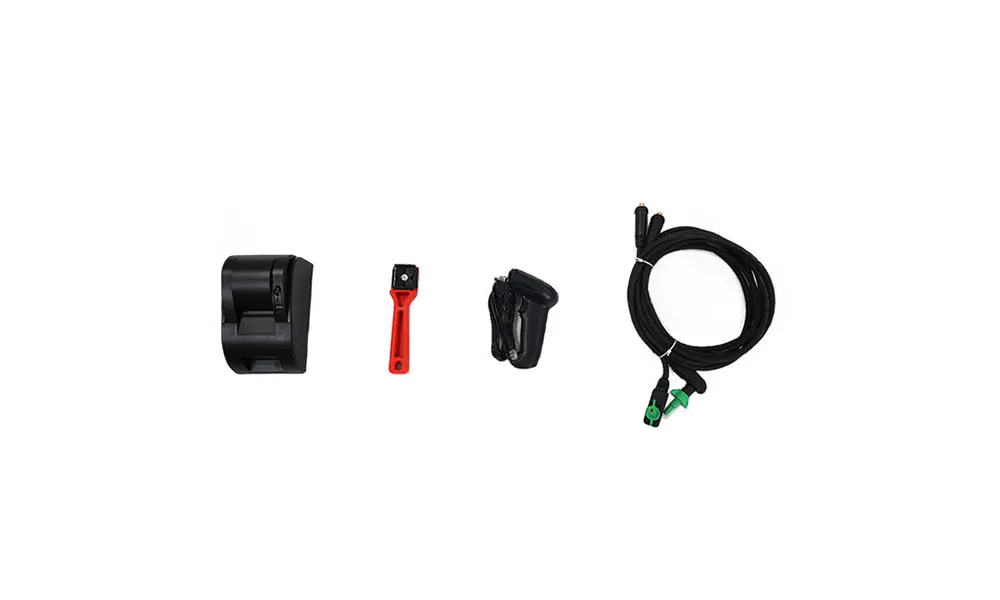
Compliance & traceability: choose machines that log weld data and meet EN standards (e.g., EN 12201) and local utility specs. Easy operation: multilingual user interfaces (Dutch/French/English) speed up adoption on Belgian sites. Power & portability: battery-backed units help teams working off-grid or in remote areas. Service & parts: fast spare-part supply and calibration ensure downtime stays minimal during seasonal peak work.
Top Electrofusion Machine Types for Belgium
Different projects demand different machines. Here are the common types and when they make sense for Belgian conditions:
Portable battery-powered units — ideal for small service connections, repair crews, and urban trenchless work.
Benchtop/desktop controllers — for workshop prefabrication of fittings and short production runs.
High-capacity mobile units — suited to large-diameter mains and gas distribution projects requiring on-site power and advanced logging.
Quick Comparison Table
| Model Type | Pipe Range | Power | Control & Logging | Best For |
|---|---|---|---|---|
| Portable Electrofusion Unit | 20–315 mm | Battery + AC | Basic LCD, weld log | Service & repairs |
| Workshop Controller | 20–800 mm | AC mains | Advanced touchscreen, exportable reports | Prefabrication & QA |
| Mobile High-Capacity Unit | 63–1200 mm | Diesel/three-phase + battery | Full data logging, GPS time-stamp | Large mains & gas networks |
Practical Buying Tips for Belgian Projects
Match capacity to pipeline diameter: overbuying adds cost; underpowered machines slow projects. For municipal water and urban gas mains in Belgium, mid-range workshop controllers or high-capacity mobile units are often best. Confirm language and documentation: ensure manuals, weld reports, and training materials are available in Dutch and French when working across Flanders and Wallonia. Check warranty & calibration: choose suppliers offering EU-compliant calibration and responsive warranty service.
Maintenance, Certification & Safety
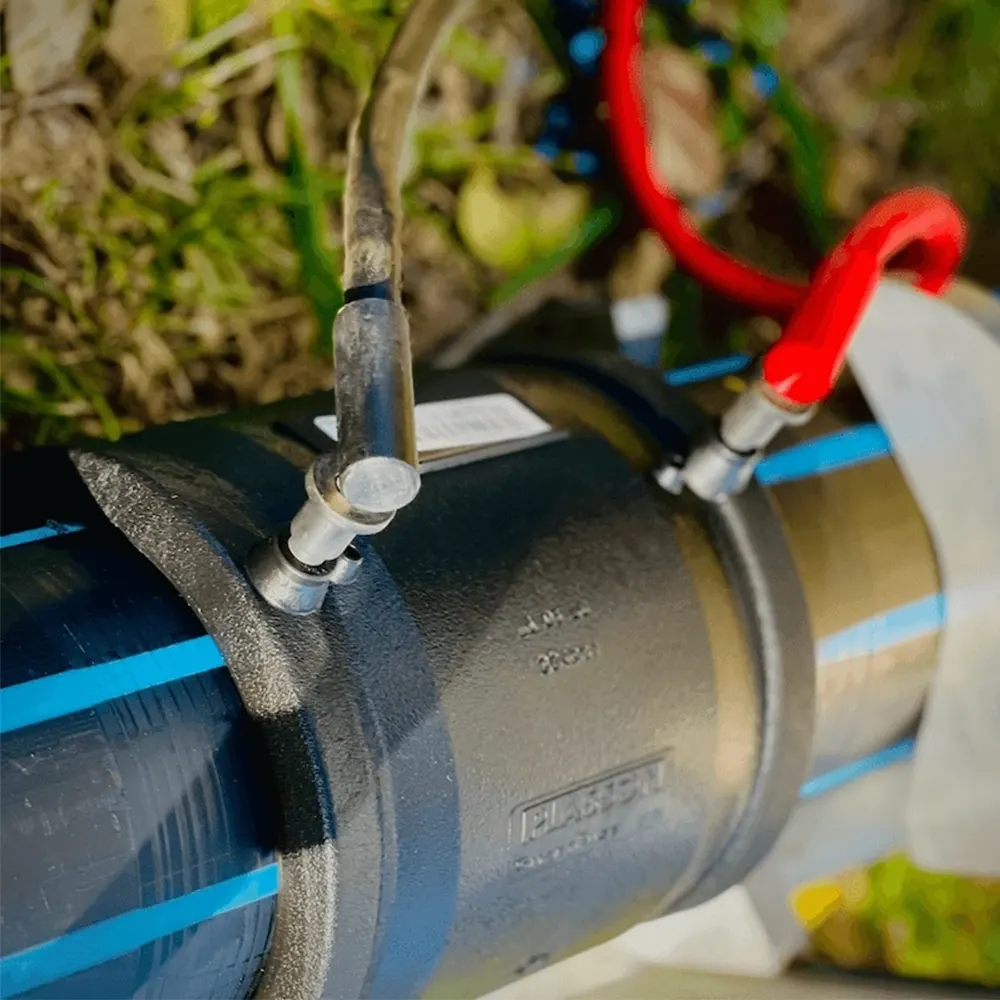
Regular calibration and inspection of heating coils and controllers maintain weld quality. Belgian contractors should retain weld logs for utilities and pass audits—machines with exportable PDF/CSV reports simplify compliance. Always follow PPE and gas-safety rules for trench and confined-space work.
Where to Source Reliable Machines
For global projects and tailored HDPE equipment options, consider established manufacturers that offer a full range of electrofusion and butt-fusion machines, technical support, and spare parts. Visit JQ-Fusion for product lines that cover portable units to high-capacity controllers and for details on certifications and service.
Final selection advice: prioritize machines with robust data logging, multilingual support, and local spare-part access. That combination delivers repeatable weld quality and faster project turnaround across Belgium’s diverse work environments.



