
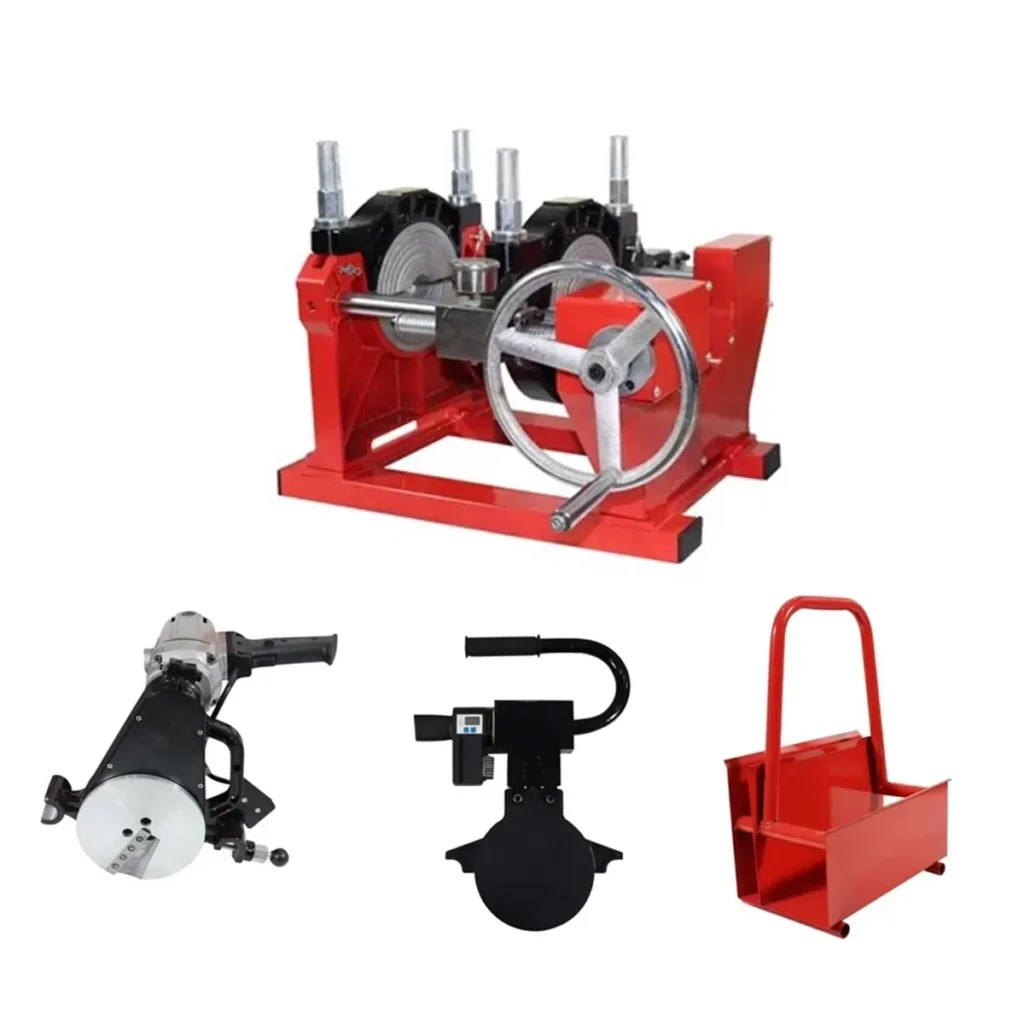
Proper maintenance of PE (polyethylene) pipe welding equipment ensures consistent joint quality, extends machine life, and reduces downtime on construction and infrastructure projects. The following maintenance schedule and care tips are designed for on-site crews and workshop technicians who operate manual, hydraulic, or CNC butt fusion and electrofusion machines.
Daily Checks Before Operation
Perform these quick checks at the start of each shift to avoid unexpected failures:
- Visual inspection of clamps, jaws, and carriage for wear, cracks, or misalignment.
- Check hydraulic hoses and connections for leaks or damage; ensure fluid levels are adequate.
- Verify heater plate and facer surfaces are clean and free of burnt plastic; confirm temperature controls work correctly.
- Electrical checks: inspect power cables, plugs, and the control panel for loose connections or fuses.
- Confirm safety guards and emergency stop functions are operational.
Start-up Routine
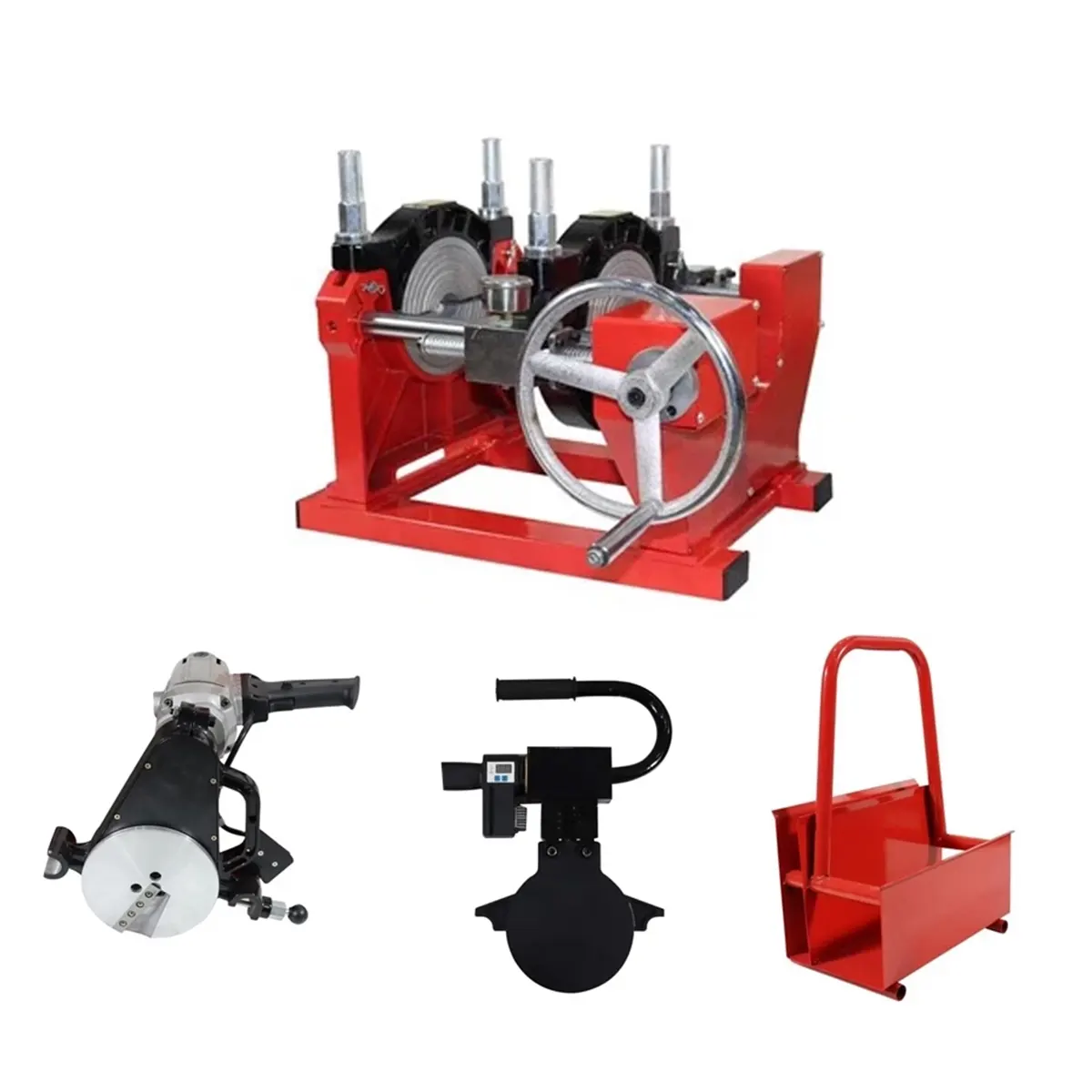
Warm up heaters to working temperature gradually; avoid rapid temperature changes. Run one or two test weld cycles on scrap material when possible to ensure consistent performance.
Weekly Maintenance Tasks
A slightly deeper inspection and minor servicing every week keeps machines in optimal condition:
- Clean and lubricate moving parts: lead screws, linear guides, and pivot points. Use recommended lubricants and wipe off excess.
- Tighten fasteners: check bolts and nuts on clamps, frames, and hydraulic units.
- Clean and inspect heater plate and facer blades; replace if nicked or warped.
- Drain any condensation from pneumatic systems and check filter elements.
Monthly Preventive Maintenance
Carry out these preventative steps to avoid cumulative damage:
- Change hydraulic oil if contamination is suspected; otherwise follow manufacturer intervals. Inspect oil for discoloration or metallic particles.
- Inspect hydraulic pump seals and cylinders for leaks or wear; replace seals when seepage appears.
- Calibrate temperature sensors and pressure gauges to ensure weld parameters remain accurate.
- Check battery backup (if applicable) and control software updates for CNC/automatic units.
Quarterly and Annual Inspections
More comprehensive inspections are required less frequently but are critical for safety and machine longevity:
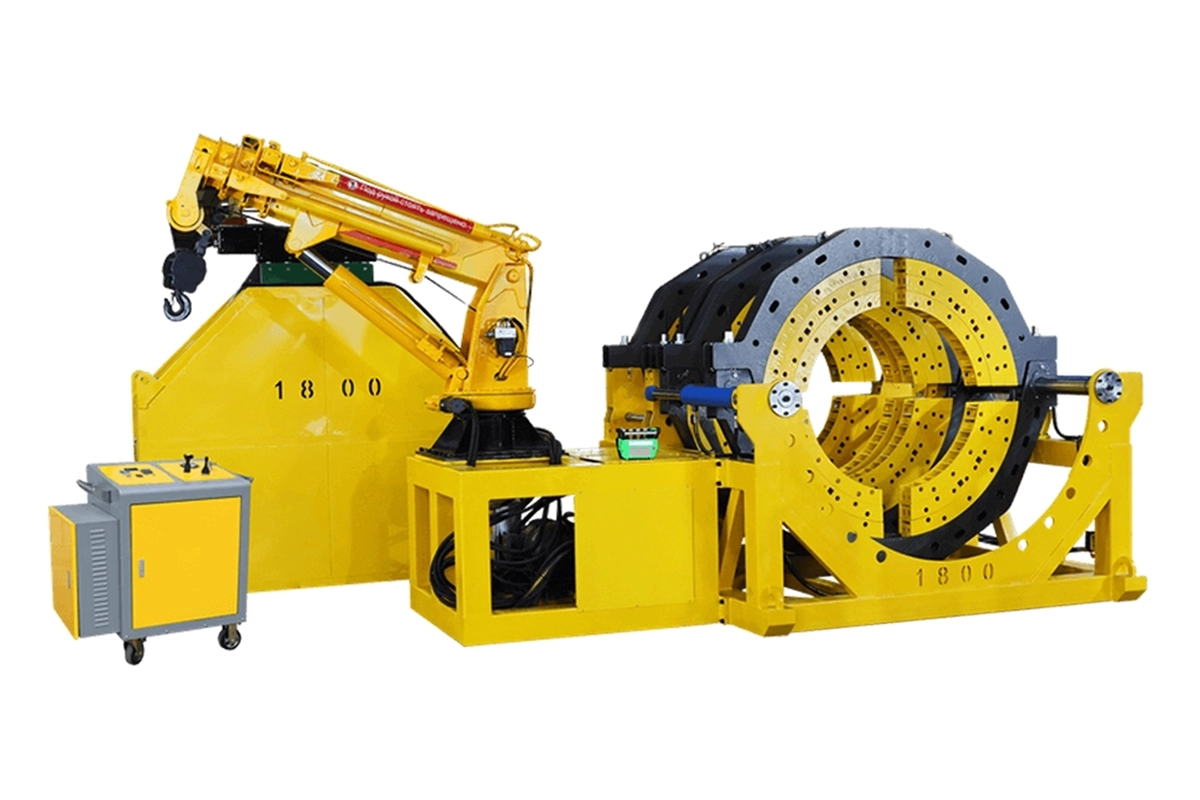
- Quarterly: replace hydraulic filters, inspect alignment of the carriage and clamps, and test all safety interlocks.
- Annually: full hydraulic system service, pressure testing, electrical cabinet cleaning, and a professional calibration of control units.
Maintenance Schedule Table
| Frequency | Tasks | Key Notes |
|---|---|---|
| Daily | Visual checks, heater test, safety functions | Before each use |
| Weekly | Lubrication, tighten bolts, clean facer | Document findings |
| Monthly | Hydraulic oil check, sensor calibration | Use OEM specs |
| Quarterly / Annual | System service, full calibration, safety audit | Professional service recommended |
Heater Plate and Facer Care
Heater plates and facer blades determine fusion quality. Keep plates clean and scratch-free. When cleaning, use a soft cloth and approved solvent—never abrasive pads that can alter flatness. Store spare facer blades in protective sleeves to prevent damage.
Hydraulic System Best Practices
Hydraulic systems require careful attention:
- Maintain fluid cleanliness: use a sealed reservoir and filter replacements on schedule.
- Operate within rated pressures to avoid premature seal and cylinder failure.
- Bleed air from lines after repairs to prevent inconsistent movement.
Storage and Transport Tips
Protect machines when not in use or during transit:
- Cover control panels and heaters to prevent dust and moisture ingress.
- Secure moving parts and drain fluids if stored for extended periods.
- Use proper packaging and support points during shipping to avoid frame distortion.
Spare Parts and Consumables
Keep a minimal stock of critical spares on-site: facer blades, heater plates, seals, and hydraulic filters. Regular replacement of consumables avoids emergency downtime and ensures consistent weld quality.
Troubleshooting Quick Guide
Inconsistent melt bead: check plate temperature, facer condition, and pressure settings. Hydraulic jerking or slow movement: inspect fluid level, contamination, and bleed air. Control errors: verify power supply, connectors, and perform a software reboot.
Record-Keeping and Training
Document all maintenance, calibrations, and repairs. Train operators on daily checklists and safe handling. A clear log improves traceability and supports warranty claims or audits.
For reliable equipment selection and spare parts, consider machines designed for demanding projects. JQ-Fusion manufactures a range of HDPE butt fusion and electrofusion machines with robust service support for global infrastructure needs.



