
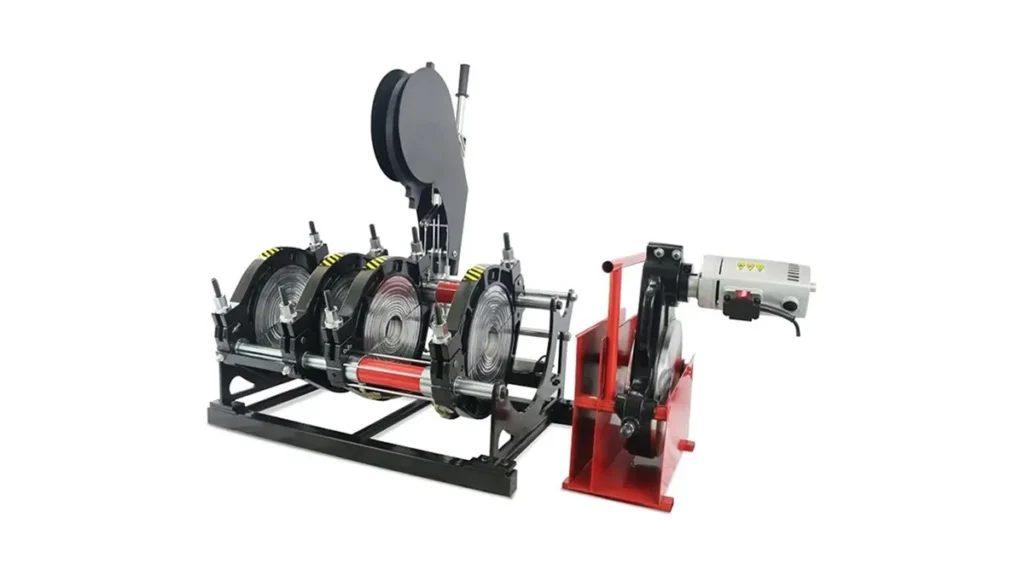
Choosing the right butt fusion welder in Australia requires a balance of machine capability, local working conditions, compliance, and long-term support. This guide explains what Australian contractors, municipal teams, and mining operators should evaluate when buying HDPE butt fusion equipment — from compact manual units for service pits to large hydraulic and CNC systems for long-distance pipelines.
Why Butt Fusion Is the Preferred Method for HDPE in Australia
Butt fusion creates strong, homogeneous joints ideal for water, gas, mining and irrigation pipelines across varied Australian environments. The technique delivers leak-free welds when performed with the correct machine, trained operators and documented procedures — making it a common choice for projects in urban infrastructure, remote mining sites, and coastal installations exposed to UV and heat.
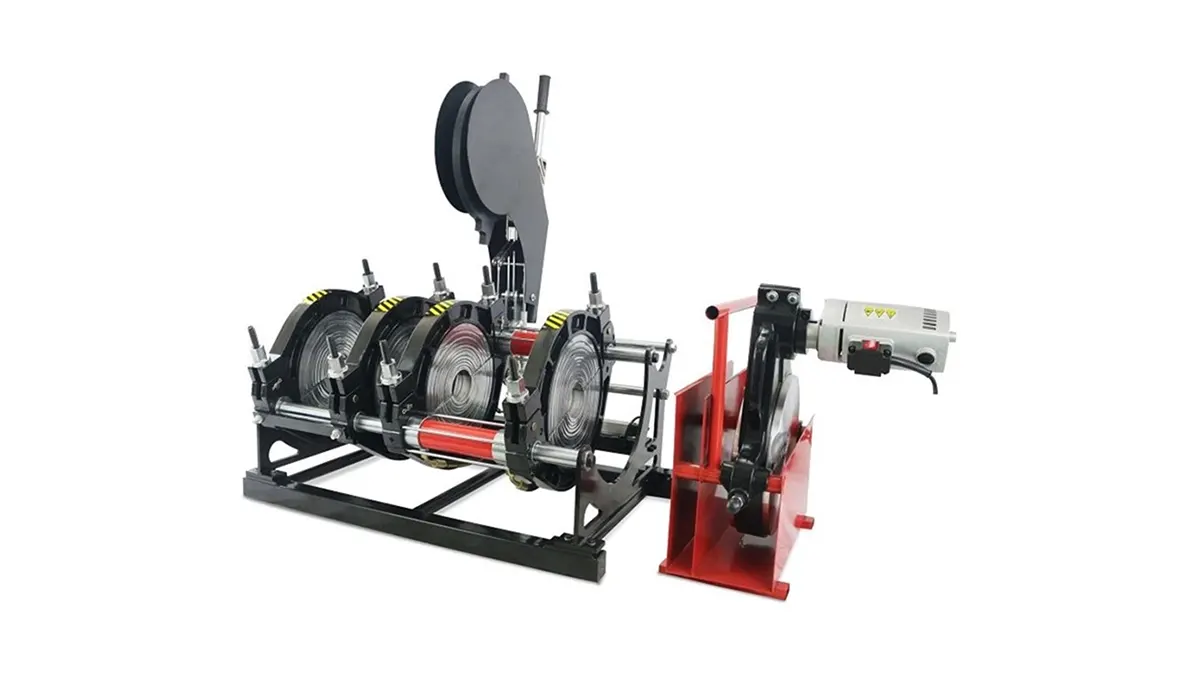
Key advantages for Australian projects
- Durability: fused joints match pipe strength and resist corrosion.
- Suitability for remote sites: many machines are portable and designed for field conditions.
- Wide application: suitable for potable water, sewer, gas and slurry lines used in Australian industries.
Types of Butt Fusion Welders — Which One Fits Your Job?
Choosing between manual, hydraulic, automatic and CNC systems depends on pipe sizes, production rate, and on-site conditions. The comparison below helps match machine type to common Australian use cases.
| Machine Type | Typical Pipe Range | Best For | Pros / Cons |
|---|---|---|---|
| Manual (Frame/Clamp) | 20mm – 400mm | Small repair jobs, tight sites, municipal teams | Compact & affordable; operator skill affects consistency |
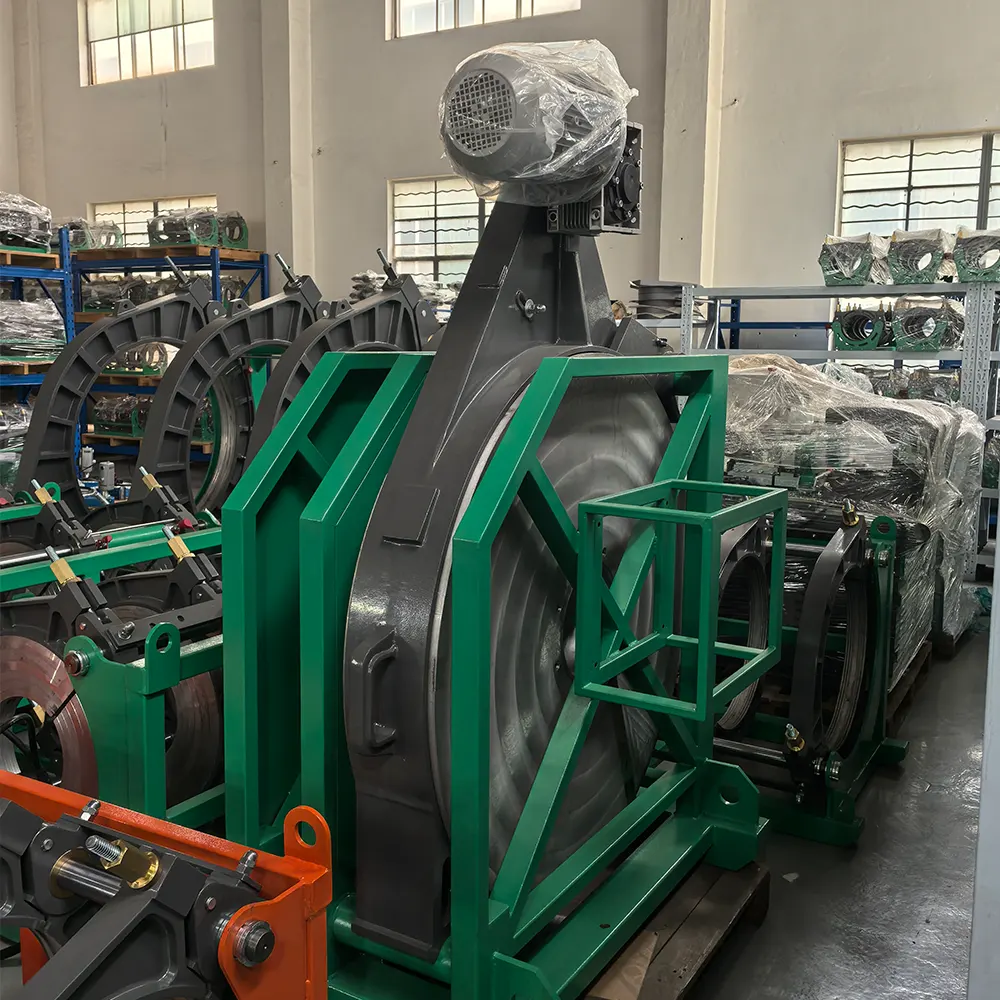
| Hydraulic | 63mm – 1600mm+ | Medium to large pipelines, civil contractors | High clamping force and consistent alignment; heavier |
| Automatic (Electric Control) | 63mm – 1000mm | Production sites, utility networks, repeatable welds | Accurate control of heating & fusion cycles; higher cost |
| CNC / Multi-angle Fittings | Small to large (specialized) | Fabrication yards, complex fittings and precision jobs | Precision and automation for high-volume or complex work |
Local Considerations for Australian Buyers
Australian projects often face unique challenges: remote locations, high daytime temperatures in many regions, dusty or sandy sites, and variable power availability. Keep these local factors in mind:
- Power supply: check for single-phase 230V or three-phase availability on-site and whether generator operation is needed.
- Portability: remote mining or regional water projects need machines that are rugged and transportable.
- Environmental resilience: consider UV-protected controls, sealed electronics and corrosion-resistant components for coastal projects.
- Operator training: ensure machine comes with clear procedures and local training options to meet Australian procurement requirements.
Practical tip:
For regional NSW or WA mining operations, a hydraulic or automatic unit with an integrated control unit and clear documentation will reduce rework and downtime. For metropolitan utilities and plumbers, compact manual or small automatic machines can be more cost-effective.
Must-Have Features When Selecting a Butt Fusion Welder
Focus on features that improve weld quality, safety and uptime:
- Accurate pressure control and adjustable clamping force to accommodate different SDRs and wall thicknesses.
- Reliable heating plate with replaceable Teflon or non-stick cover and precise temperature control.
- Documentation & traceability — data logging of weld parameters is essential for audits and warranty claims.
- Robust alignment system and chamfering/trimmer attachments to prepare pipe ends quickly and consistently.
- Serviceability: access to local spare parts, on-site service, and clear maintenance schedules.
Sizing Guide: Match Machine Capacity to Pipe Diameter
Select a machine rated comfortably above your largest expected pipe diameter. Over-specifying increases cost, under-specifying causes inefficiency or impossibility of welding larger pipes.
- Small contractors & plumbing: 20mm–160mm machines provide flexibility for repairs and service lines.
- Civil contractors & water utilities: 160mm–630mm hydraulic/automatic machines are common for mains work.
- Large infrastructure & mining: 800mm–2000mm hydraulic or specialized large-diameter machines are used for trunk mains and slurry lines.
Maintenance, Training and After-Sales Support
Long-term performance depends on good maintenance and operator competency. Look for suppliers who offer:
- Comprehensive operator training and certification programs.
- Spare parts kits and local stocking options to reduce downtime.
- Clear warranty terms and access to service engineers familiar with site conditions in Australia.
Budgeting tip
Total cost of ownership includes initial price, training, spare parts, and shipping. In remote Australian work, fast spare-part shipping and regional support can justify higher initial investment.
Common FAQs for Australian Buyers
Q: Do I need an automatic machine for consistent welds?
A: Automatic machines offer better repeatability and data logging, which is useful for regulated projects. For small-scale or occasional work, a well-maintained manual or hydraulic unit with trained operators may suffice.
Q: What about certification and standards?
A: Ensure your welding procedures and operator qualifications meet the relevant Australian codes and project specifications. Verify that the supplier provides traceable weld records and machine calibration documentation.
How to Decide — Quick Checklist
Before you buy, confirm:
- Largest pipe diameter and material grade you’ll weld.
- Required weld throughput and on-site power availability.
- Availability of training, spare parts and local service.
- Data logging and traceability needs for compliance.
Final Recommendation
Match the machine family to your project scale: choose compact manual frames for small jobs, reliable hydraulic rigs for civil and mining projects, and automatic/CNC systems where precision, documentation and high volumes are needed. Invest in training and a supplier that can support Australian field conditions to maximize uptime and weld quality.
Manufacturer: JQ-Fusion — https://jq-fusionwelding.com/



