
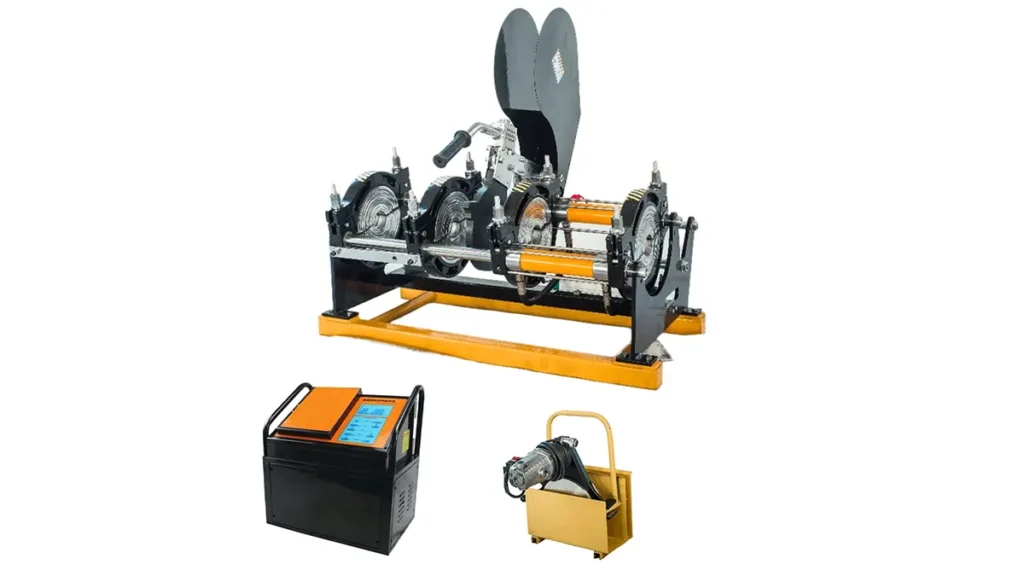
Pipeline welding equipment specifications determine weld quality, job efficiency, and long-term pipeline performance. This guide breaks down the most important technical parameters and helps engineers, contractors, and procurement teams choose the right machine for HDPE and thermoplastic pipeline projects.
Key Components of Pipeline Welding Equipment
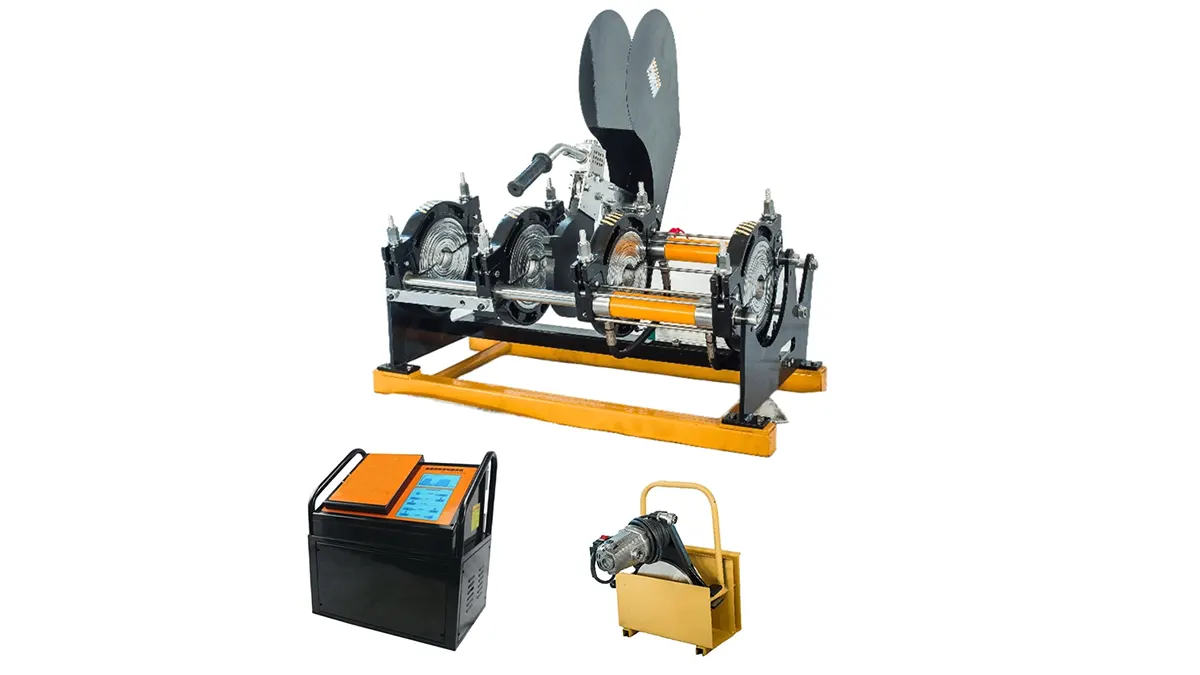
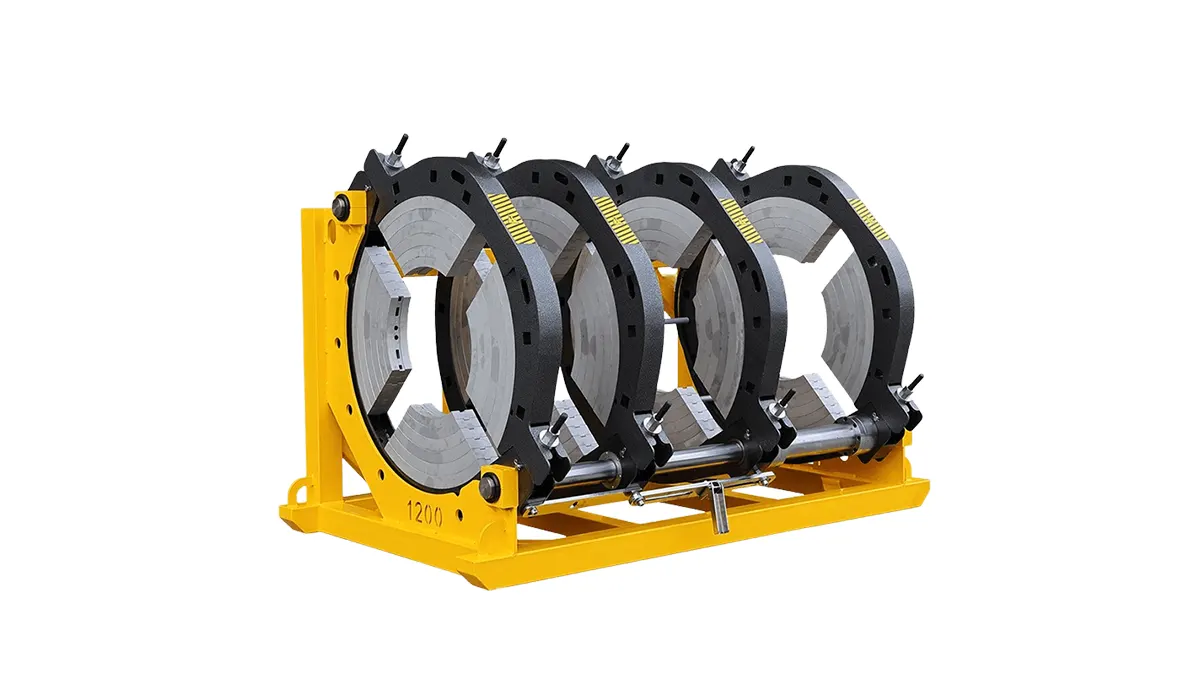
The mechanical and electrical subsystems of a butt-fusion or electrofusion welding unit influence how reliably it produces consistent joints. Core components include the heating plate, facing/trimming tool, clamps or jaws, hydraulic power pack (on hydraulic models), and a control unit with temperature and pressure sensors.
Heating plates must deliver uniform temperature across the fusion face to avoid cold or overheated zones. Clamps and alignment fixtures keep pipe ends concentric during the melt, and modern control units log process parameters for quality assurance.
Understanding the Most Important Technical Specifications
When evaluating equipment, focus on specifications that match your project conditions. Typical spec categories are pipe size range, temperature control, maximum fusion pressure, power requirements, cycle time, and traceability features.
Pipe Diameter Range: Machines are rated by minimum and maximum OD. Ensure the machine covers the full diameter range used on your project to avoid field adapters or multiple units.
Heating Temperature & Control: Precise temperature control (+/− small tolerance) and fast recovery time reduce cycle variation. Look for digital PID or closed-loop control systems.
Common Specification Metrics Explained
– Maximum working pressure and hydraulic force indicate the machine’s ability to achieve fusion pressure for large diameters.
– Power rating (kW) decides electrical supply needs and heater performance.
– Cycle time and automatic program memory speed up repetitive welds and improve consistency.
– Traceability (data logging) enables QA/QC and compliance with project standards.
Representative Specification Table
| Model | Pipe Range (mm) | Heater Temp (°C) | Max Force / Pressure | Power (kW) |
|---|---|---|---|---|
| Manual/Entry (example) | 20 – 160 | 180 – 250 | Low / Hand-operated | 1.5 |
| Hydraulic Mid-Range | 160 – 800 | 180 – 250 | High / 100 – 500 kN | 3 – 7 |
| Automatic Unit (compact) | 200 – 630 | Up to 260 | Programmable / 300 kN | 5 – 10 |
| Large-Diameter Hydraulic | 630 – 2250+ | 180 – 260 | Very High / 500 – 2000 kN | 10 – 25 |
Selecting the Right Machine for Your Project
Match machine capability to jobsite realities: for remote or utility rehabilitation work, portability and battery-powered controls may be critical. For municipal trunk mains and large industrial projects, prioritize hydraulic power, automated cycles, and data logging. Consider the expected daily weld volume—automatic machines with program memory yield the best throughput in repetitive installations.
Installation, Operation and Safety Notes
Proper installation, routine calibration, and operator training directly affect weld integrity. Always verify alignment and facing quality before each fusion cycle. Use certified electrodes and maintain the heating plate surface. For safety, follow lockout procedures during maintenance and ensure hydraulic lines and electrical connections meet local codes.
Pro tip: Keep a simple maintenance log with heater temperature checks, clamp wear inspections, and hydraulic fluid change dates to prevent downtime and ensure consistent weld results.
Why Specification Accuracy Matters
Precise specifications reduce variability between welds, improve pipeline life expectancy, and simplify compliance with standards. Investing time in comparing actual machine specs against project requirements minimizes surprises on site and lowers total installation cost.
For tailored butt fusion solutions and a wide range of HDPE pipe welding machines, visit JQ-Fusion at https://jq-fusionwelding.com/ for product lines that include manual, hydraulic, and CNC automatic systems suitable for water, gas, mining, and industrial pipelines.



