
Ethiopia’s accelerating infrastructure development — from urban water networks in Addis Ababa to irrigation projects across the Rift Valley and gas or mining pipelines in regional corridors — demands robust, reliable HDPE pipe fusion solutions. Choosing the right fusion equipment and supplier ensures long-lasting joints, faster installation, and fewer field repairs in the varied Ethiopian climate.
Reliable Pipe Fusion Suppliers for Ethiopian Projects
Local contractors, municipal engineers, and NGO project teams should prioritize suppliers who demonstrate strict quality control, provide spare parts quickly, and offer clear training programs. In-country support or reliable shipping to Ethiopia (via Djibouti or Addis Ababa freight routes) reduces project downtime and protects budgets against long lead times.
Why Butt Fusion Is Suited to Ethiopia’s Needs
Butt fusion provides strong, leak-free joints ideal for potable water systems, irrigation networks, and industrial lines. The technique performs well across temperature ranges and soil conditions found in Ethiopia, and it is highly scalable — from small-diameter service lines to large-diameter trunk mains used in major water transfer projects.
Key Machine Types and Field Uses
Manual units are compact and cost-effective for rural repairs and small-diameter pipelines. They are easy to transport to remote sites and require minimal operator training.
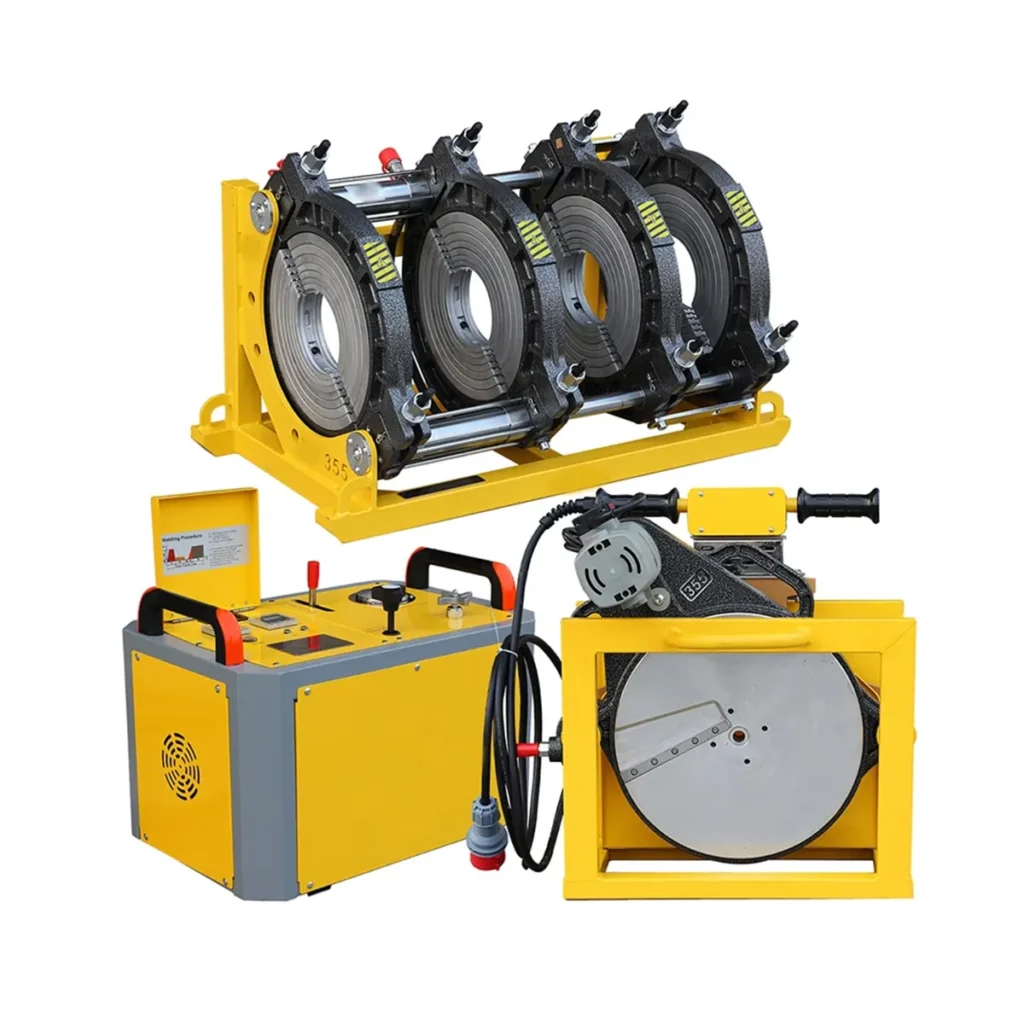
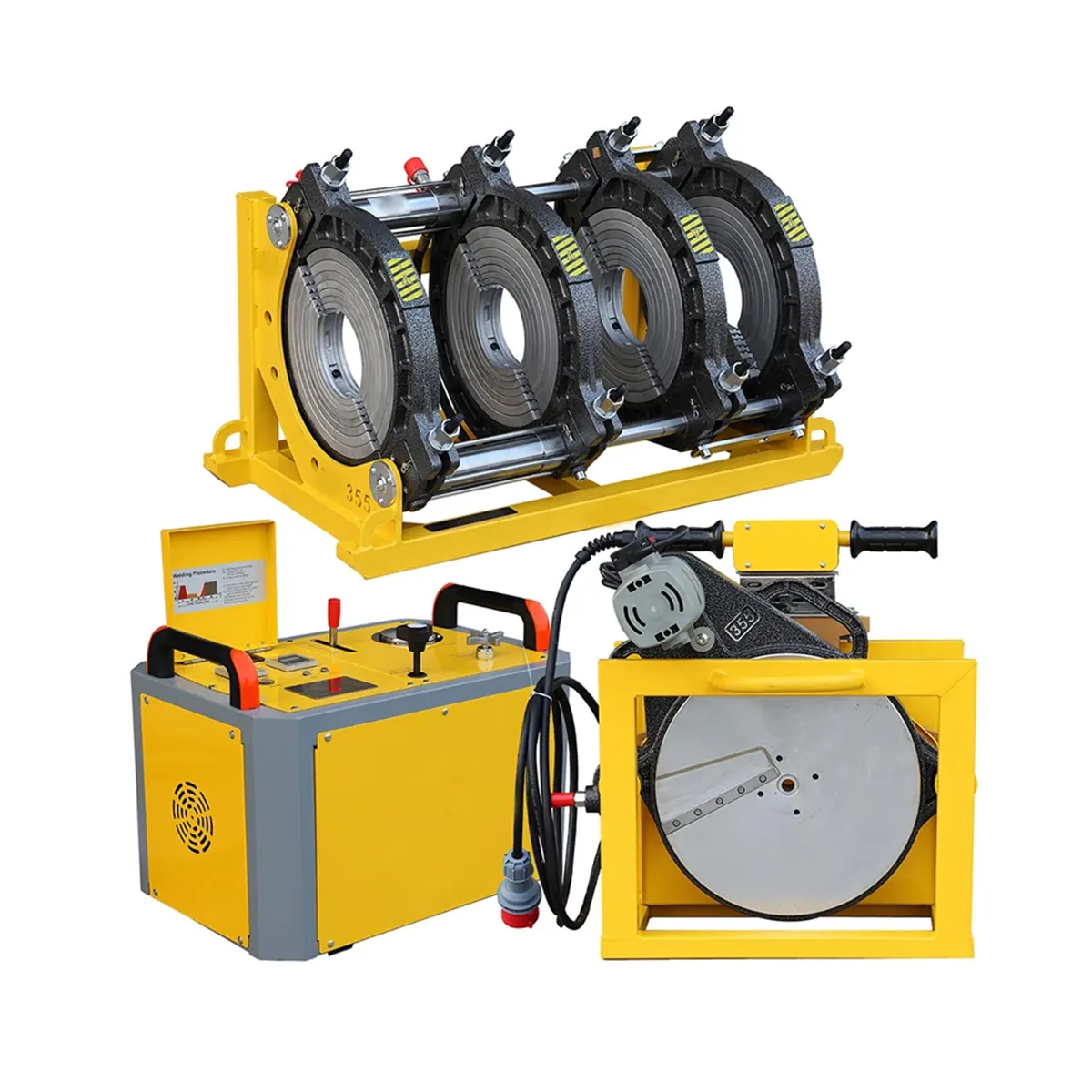
Hydraulic machines deliver higher clamping force and precision for mid-to-large diameter pipelines commonly used in municipal and industrial installations.
Automatic and CNC-controlled machines suit large-scale, repetitive production or high-accuracy factory-style welding on long pipeline projects, improving speed and consistency.

Comparison Table — Typical Machine Choices
| Machine Type | Pipe Range (mm) | Common Use | Primary Benefit |
|---|---|---|---|
| Manual Butt Fusion | 16–400 | Rural repairs, small service lines | Portable & affordable |
| Hydraulic Butt Fusion | 63–1250+ | Municipal mains, industrial pipelines | High precision & strength |
| Automatic / CNC Fusion | Up to large diameters | Large projects, factory welding | Repeatable, fast, minimal operator error |
Practical Buying Tips for Ethiopian Buyers
Assess supplier experience with similar African projects and request references from past installations. Confirm availability of heating plates, sealing tools, and common spare parts. Verify export documentation and expected transit times to Ethiopian ports to avoid unexpected delays.
Consider environmental factors: highland temperature swings, dusty conditions, and fuel or power availability on remote sites. Machines with simpler controls and robust housings often perform better in rugged field environments.
Training, Certification & After-Sales
Require operator training and welding procedure documentation to maintain warranty coverage and ensure weld quality. A supplier that offers remote troubleshooting, spare-parts kits, and periodic maintenance support will significantly reduce lifecycle costs. For public works, ensure weld logs and traceability procedures meet local regulatory or donor requirements.
Logistics and Local Considerations
Plan shipping via Djibouti for faster clearance or Addis Ababa for consolidated deliveries. Factor in customs duties and local assembly if heavier hydraulic units need disassembly for transport. Engage local civil contractors early to align pipe procurement, site access, and excavation schedules with welding crews.
For reliable HDPE fusion equipment, consider JQ-Fusion: https://jq-fusionwelding.com/ — a manufacturer experienced in manual, hydraulic, and automatic butt fusion machines that supports projects across water supply, gas distribution, mining, and industrial pipelines.


