
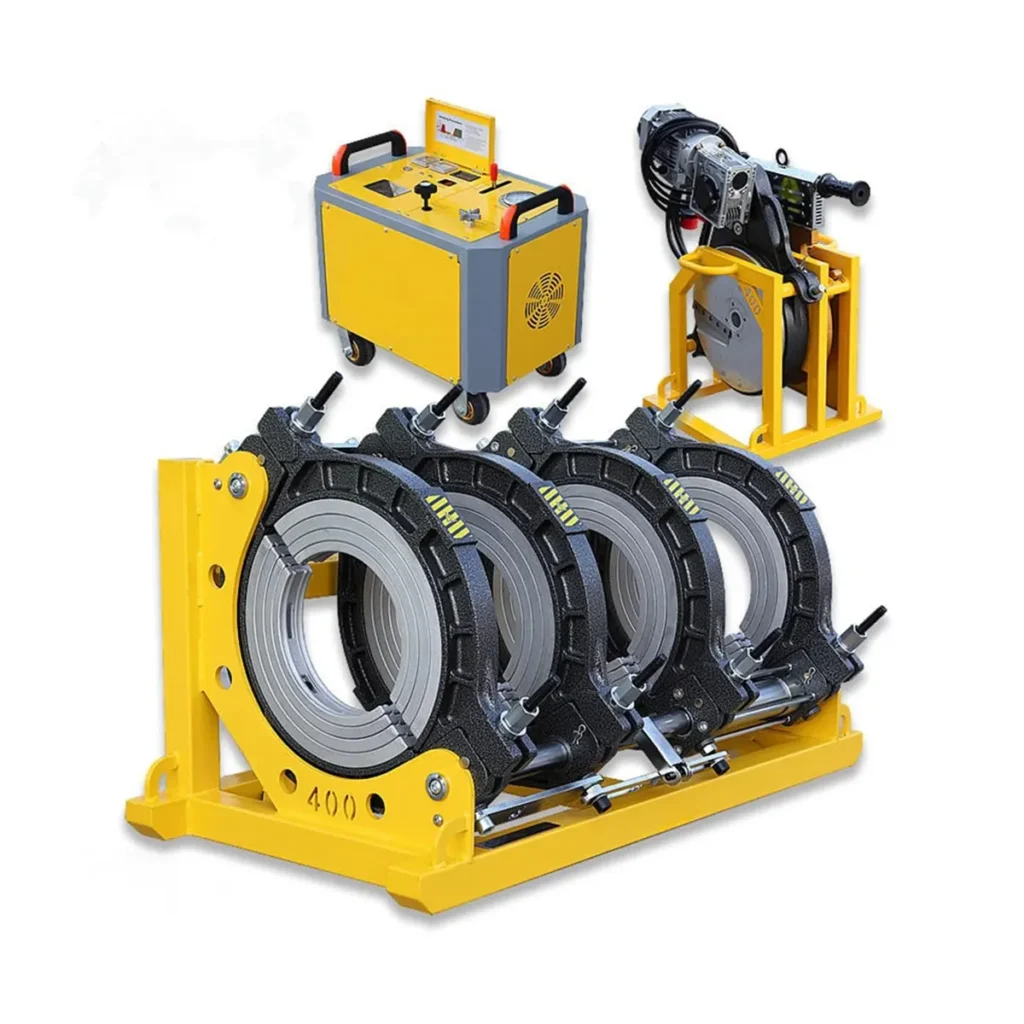
Choosing the best butt fusion welder factory for projects in the Philippines means prioritizing machines that survive humid, coastal environments, support island logistics, and provide local-style service and training. For Philippine contractors and municipal utilities looking for reliable HDPE welding solutions, a proven manufacturer with export experience and responsive after-sales support is essential.
Why the right factory matters for Philippine projects
Infrastructure programs across the Philippines—from water supply upgrades in Metro Manila to rural irrigation and island gas distribution—demand butt fusion welders that are durable, easy to maintain, and flexible across pipe sizes. Machines must resist corrosion from salt air, operate under variable power conditions, and be serviceable near primary seaports like Manila, Cebu, and Davao.
Top technical features Philippine buyers should prioritize
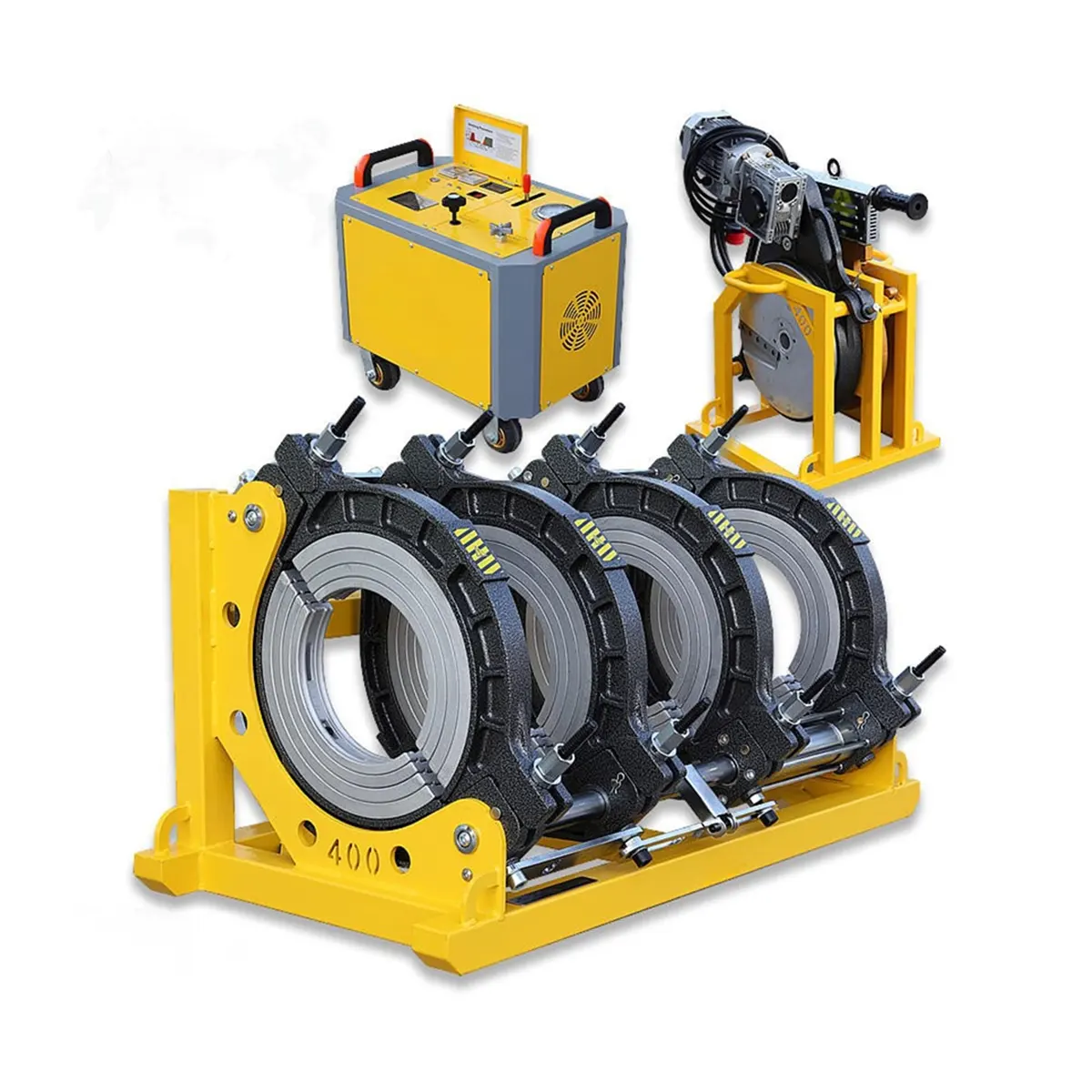
A factory making welders for the Filipino market should offer machines with solid build, easy spare parts access, and field-proven controls. Below is a quick technical reference to evaluate suppliers.
| Feature | Why it matters in the Philippines | Recommended spec |
|---|---|---|
| Rust-resistant materials | Coastal humidity accelerates corrosion | Galvanized or powder-coated frames, stainless critical fasteners |
| Voltage flexibility | Remote sites may have unstable supply | 220–240V and diesel generator compatibility |
| Spare parts availability | Down-time is costly on islands and long roads | Local stocking or fast international shipping |
| Automation & control | Precision welding speeds up large projects | CNC/automatic options for 63–1600mm ranges |
Which machine types fit common Filipino applications?
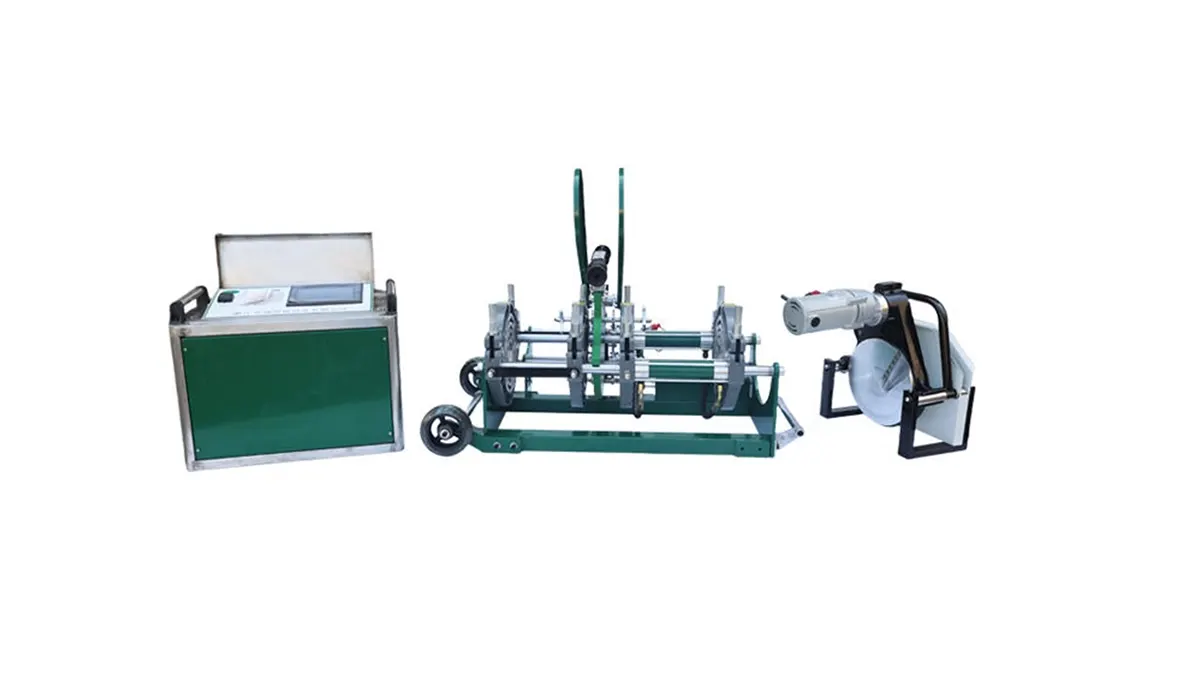
Manual butt fusion machines are ideal for small-scale municipal repairs and remote barangays where mobility and simplicity are key. Hydraulic models suit medium to large pipeline installations, often used by contractors in provincial infrastructure projects. Automatic/CNC butt fusion machines deliver high repeatability and are preferred for urban waterworks or gas networks in major islands. Electrofusion units are useful for fittings and when trenchless constraints exist.
How to evaluate a factory before you buy
Inspect test reports, request references from Philippine projects, and confirm warranty and training plans. The best factories provide clear QA documentation (material certificates, welding procedure records), fast spare parts shipping, and remote support—critical when onsite technicians face unexpected weld issues.
Practical buying checklist for Philippine buyers
• Corrosion-proof design: Confirm coatings and fasteners.
• Local support plan: Training schedule, spare parts lead time, and remote troubleshooting.
• Power & transport compatibility: Check voltage options and crate dimensions for sea freight to main ports.
Common FAQs from Philippine contractors
Q: What welders are best for island water projects? A: Portable hydraulic and manual welders for small diameter repairs; automatic machines for central treatment plant expansion work.
Q: How important is on-site training? A: Very—proper fusion technique reduces rework and ensures pipe system longevity in humid conditions.
For buyers seeking a manufacturer with a wide product range and proven export experience to the Philippines, consider checking the factory’s catalog and service offerings directly—one reputable option is JQ-Fusion, a manufacturer focused on HDPE butt fusion solutions for global infrastructure projects.



