
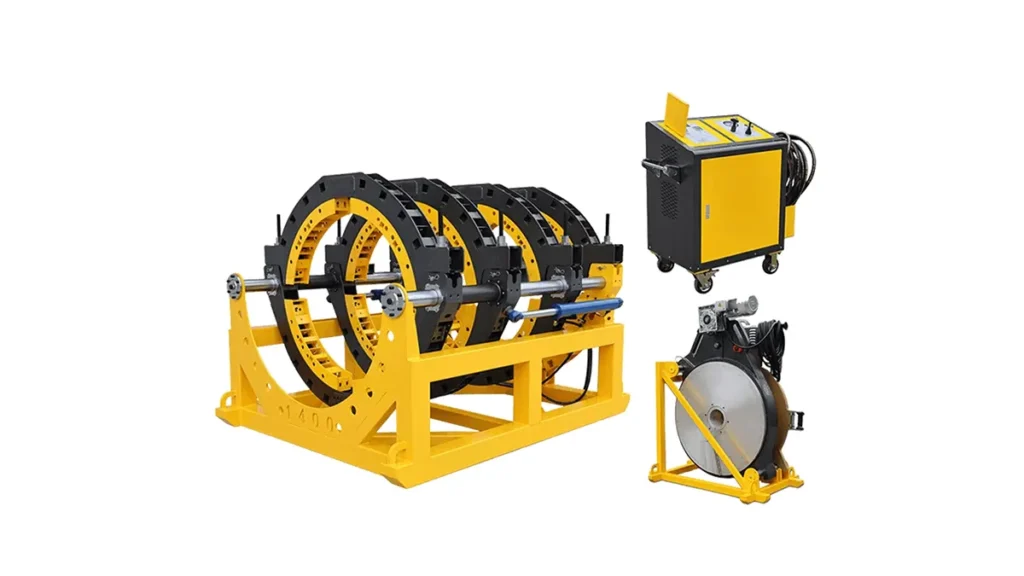
Choosing the right butt fusion machine maker in Ghana is critical for project success — whether you’re expanding municipal water networks in Accra, building gas distribution lines near Takoradi, or deploying irrigation systems in the northern regions. This guide walks Ghanaian contractors, engineers, and procurement teams through the practical steps to evaluate suppliers, compare machine types, and secure reliable local support.
Understand Your Project Needs
Scope and pipe size: Start by listing pipe diameters, material (HDPE grades), and daily welding targets. Small rural projects often rely on manual or small hydraulic machines for 63–315mm pipes, while urban trunk mains and industrial jobs need heavy-duty hydraulic or CNC automatic units for diameters up to and beyond 1000mm.
Environment and logistics: Ghana’s tropical climate, seasonal rains, and remote site access mean equipment must be robust, rust-resistant, and easy to transport. Factor in power availability — battery/portable generators may be needed for automated machines.
Local workforce and training
Evaluate how much operator training your team requires. Machines with user-friendly interfaces and clear welding programs reduce rework. Prioritize suppliers who provide on-site commissioning, bilingual manuals, and remote troubleshooting support.
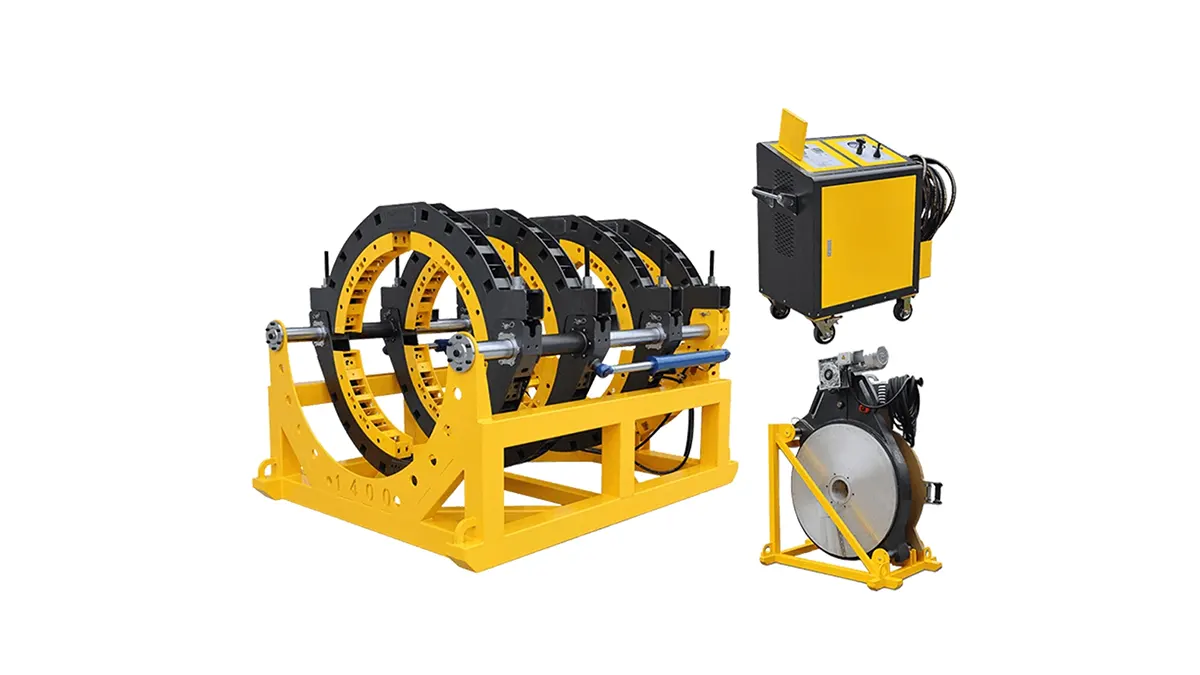
Compare Machine Types — Quick Reference
| Type | Best for | Diameter Range | Key Advantage |
|---|---|---|---|
| Manual Butt Fusion | Small teams, tight budgets | 20mm – 250mm | Low cost, portable |
| Hydraulic Butt Fusion | Municipal & industrial pipelines | 63mm – 2250mm+ | High force, consistent fusion quality |
| Automatic/CNC Machines | Large projects, high throughput | 63mm – 1600mm+ | Precise control, data logging |
Key Supplier Evaluation Criteria
1. Product quality and certifications
Ask for test reports, ISO/CE certifications, and welding procedure records. Verify that the machine’s heating plate, clamps, and hydraulic components meet international standards for HDPE welding.
2. After-sales and spare parts availability
In Ghana, quick access to spare parts and service can make or break a project timeline. Confirm lead times for common parts (heating plates, trims, hydraulic seals) and ask whether the supplier offers regional partners or express shipping options.
3. Training, documentation, and language
Ensure operator manuals and training materials are available in English and that technical support can be reached remotely. On-site training during commissioning is a major advantage for ensuring consistent weld quality across teams.
4. Warranty, testing, and calibration
Choose suppliers who provide clear warranty terms, pre-shipment testing certificates, and calibration procedures. Machines that include traceable data-logging systems help with quality assurance and regulatory compliance.
Cost vs. Value — What to Prioritize
Lower initial cost can mean higher lifetime expense. Prioritize:
- Reliability — fewer breakdowns and longer service intervals.
- Data logging — essential for public works contracts and warranty claims.
- Local service — reduced downtime from parts and technician availability.
Procurement and Shipping Considerations for Ghana
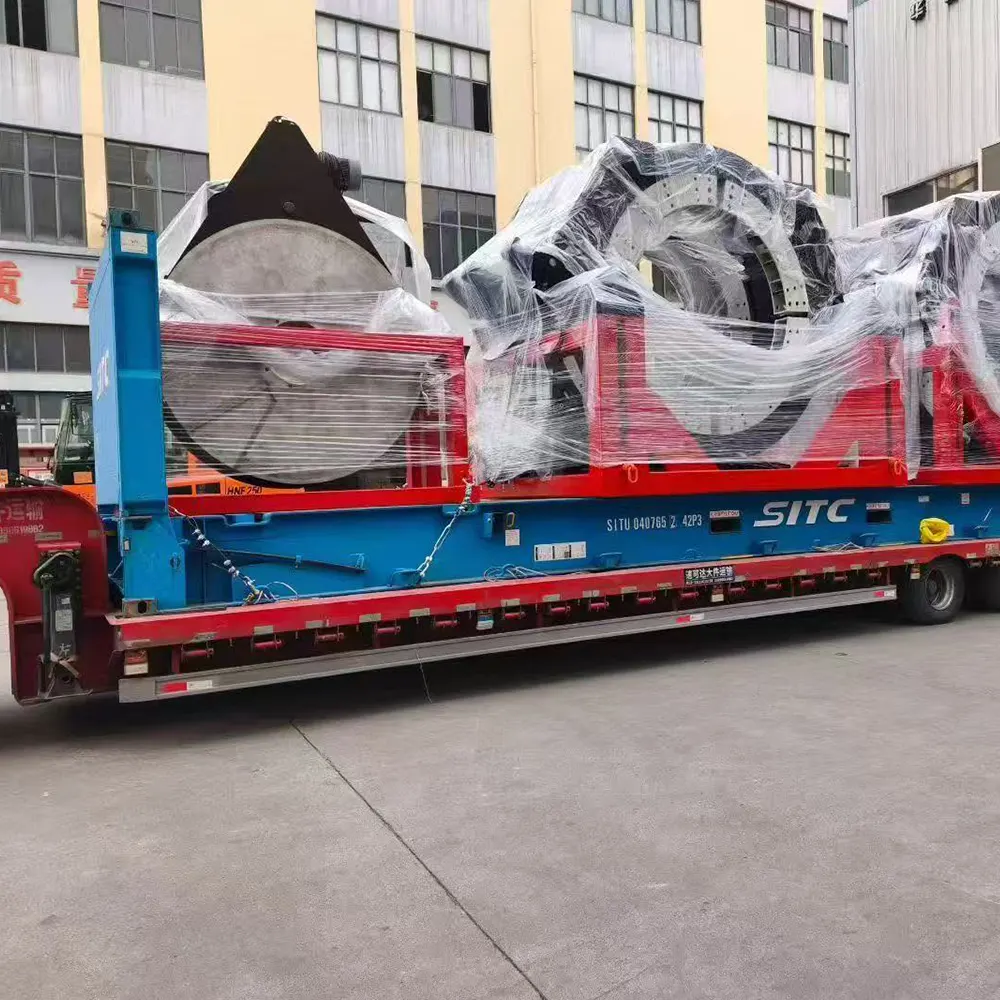
Plan for customs clearance, import duties, and inland transport to construction hubs like Kumasi or Tema. Ask suppliers for export packaging specs and whether they provide door-to-door quotes (DDP) or FOB options. For remote northern projects, verify how spare parts will be delivered quickly during the rainy season.
Environmental considerations
Machines with corrosion-resistant components and sealed electrical parts perform better in Ghana’s humid coastal areas. Also check fuel and power requirements for any automated control units.
Checklist: Questions to Ask a Potential Supplier
- Can you provide witness test reports and welding procedure specifications?
- What warranty and spare parts support do you offer in West Africa?
- Do you provide on-site commissioning and operator training?
- Are replacement parts stocked regionally or shipped from the factory?
- Can the machine log weld data and provide printable reports?
About the manufacturer
JQ-Fusion is a professional manufacturer specializing in HDPE pipe welding machines, offering manual, hydraulic, and CNC automatic butt fusion machines across a wide range of diameters. They provide quality-controlled production, customizable solutions, and experienced support for global infrastructure projects.
Final selection tips
For municipal water and gas projects in Ghana, prefer hydraulic or automated machines with strong after-sales networks. For contractors serving rural communities or conducting emergency repairs, compact manual/hydraulic units that are easy to transport and operate are more practical.
Ready to evaluate suppliers?
Use the table and checklist above to score prospective manufacturers and request demonstration videos or a factory inspection. Prioritize long-term reliability and local support over lowest price to keep your Ghanaian pipeline projects on schedule and within spec.



