
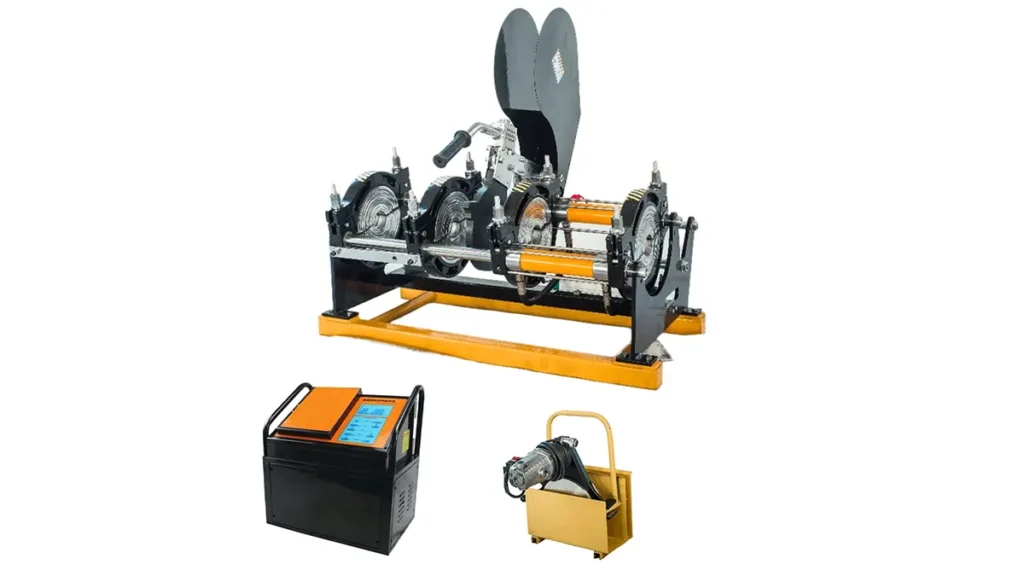
Delivering reliable pipe solutions for Iraq’s demanding infrastructure projects requires experienced HDPE welding services and robust equipment. Our approach focuses on durable butt fusion and electrofusion techniques that withstand the region’s high temperatures, sandy soils, and remote installation sites.
Professional HDPE Welding Services for Iraq
HDPE welding is the preferred joining method for potable water, irrigation, gas distribution, and industrial pipelines across Iraq. From municipal authorities in Baghdad to oil & gas contractors in Basra and agricultural cooperatives in the Nineveh plains, stakeholders need long-lasting, leak-free pipe systems that resist corrosion and soil movement.
Why HDPE Works Well in Iraqi Conditions
Heat resistance, flexibility, and chemical inertness make HDPE ideal for Iraq’s climate and terrain. Pipes fused correctly form homogeneous joints with tensile strength comparable to the base material, significantly reducing failure rates in harsh environments. For water utilities and rural irrigation schemes, HDPE offers low maintenance and extended lifecycle benefits.
Types of Welding Solutions Offered
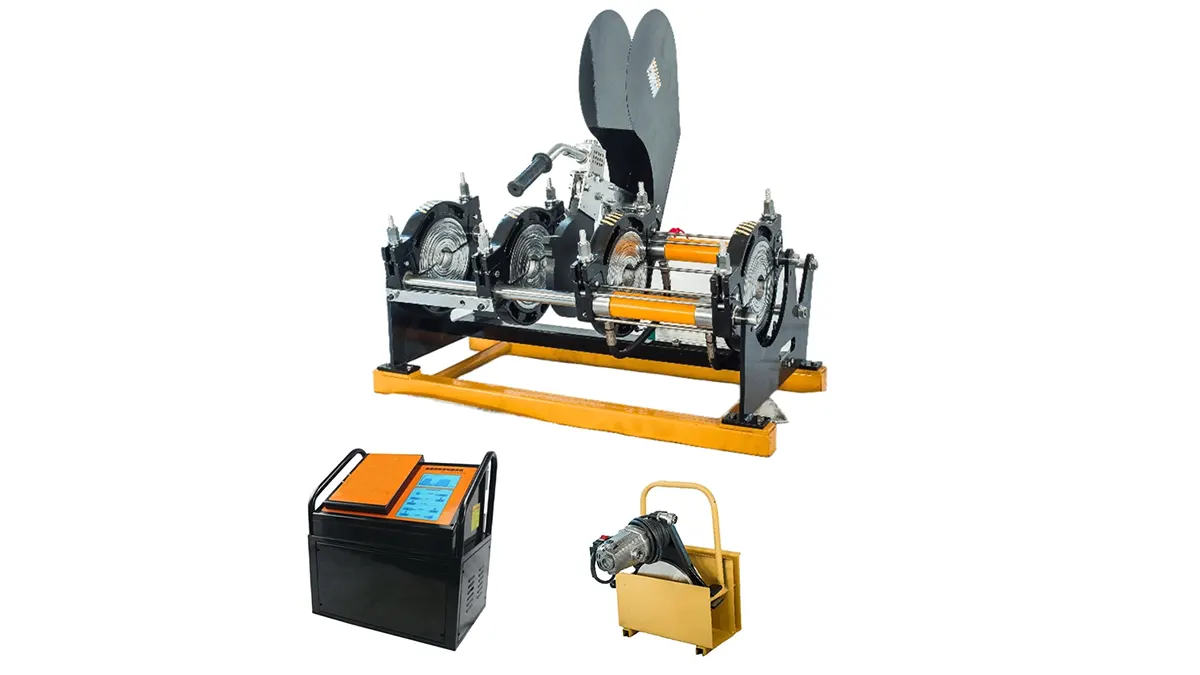
Butt fusion—the primary solution for long runs of pipe—provides seamless, strong joints for large diameters. Electrofusion is used for fittings, repairs, and complex assemblies in confined spaces. Both methods are essential for projects ranging from small village networks to large industrial installations.
Equipment Comparison
| Equipment Type | Diameter Range | Key Advantage | Best Use Case |
|---|---|---|---|
| Manual Butt Fusion | 20–315 mm | Portable, cost-effective | Rural repairs & small networks |
| Hydraulic Butt Fusion | 63–1600 mm | Consistent pressure control | Municipal and industrial mains |
| CNC / Automatic Buttfusion | 160–2000+ mm | High precision, data logging | Large-diameter trunk lines & projects |
| Electrofusion Machines | Fittings 20–630 mm | Fast, reliable for fittings | Repair, branch connections, confined sites |
On-site Services and Local Considerations
Successful projects in Iraq need more than machines: qualified operators, tailored training, and logistical planning for remote desert work. We support local teams with on-site training programs, welding parameter calibration for high ambient temperatures, and preventive maintenance routines to minimize downtime during summer peaks.
Contractors and municipal engineers should factor in seasonal variations, sand ingress, and long transport routes when planning equipment selection and spare parts supply. Using documented welding procedures and quality checks (visual inspection, peel tests, and pressure testing) ensures compliance and long-term performance.
Project Types We Support
Urban water distribution upgrades, rural irrigation renewals, gas pipeline installation, industrial fluid transfer systems, and mining operations all benefit from professional HDPE fusion techniques. Local stakeholders—from government water authorities to private developers—gain lower lifecycle costs and greater leak resistance when welding is performed to specification.
Quality, Certification & After-sales
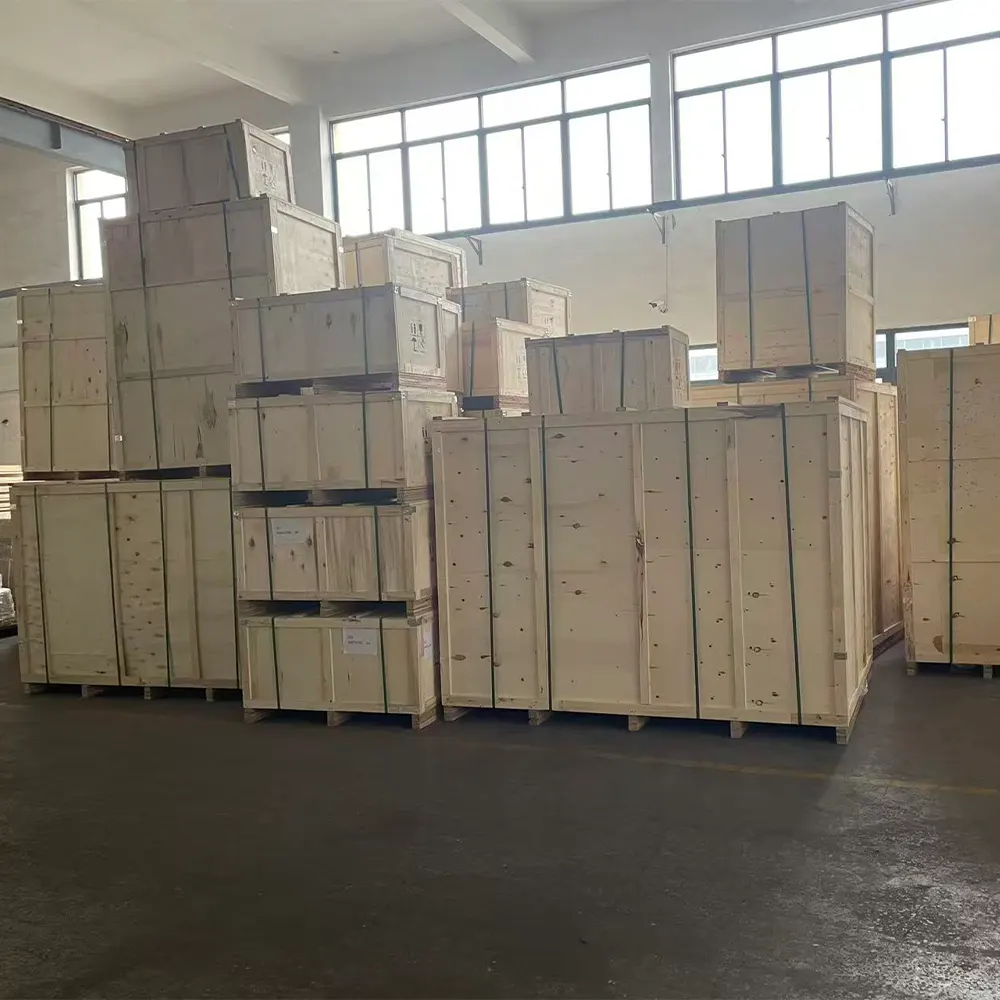
Equipment and procedures meet international quality norms and are adaptable to client-specified standards. Comprehensive after-sales support includes spare parts kits, maintenance guides, and remote technical assistance for troubleshooting on-site. For procurement and machine supply, we provide export-ready packaging and documentation to streamline customs clearance and delivery across Iraq.
How to Choose the Right Welding Solution
Assess pipe diameter, project scale, site accessibility, and workforce skill level. For linear trunk pipelines choose hydraulic or automatic butt fusion machines; for complex assemblies or repairs use electrofusion units. Proper selection reduces installation time and improves joint reliability.
Manufacturer reference:
Get Started
For Iraqi projects requiring resilient pipeline systems, invest in certified fusion equipment, operator training, and documented QA/QC workflows. Well-executed HDPE welding translates into dependable water delivery, safer gas networks, and cost-effective infrastructure across the country.



