
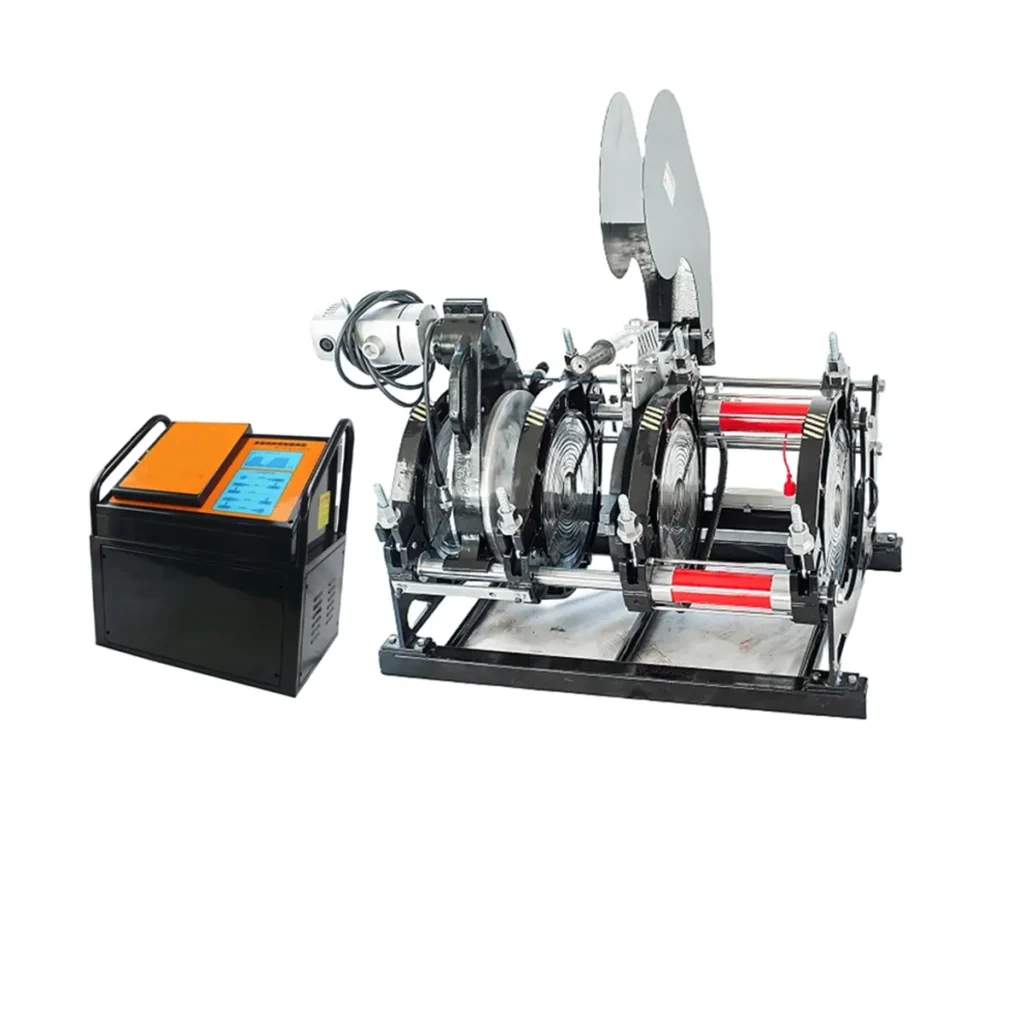
France’s growing infrastructure and industrial sectors demand dependable poly pipe welding solutions that deliver consistent performance across water, gas, and industrial pipeline projects. This guide highlights reliable welding equipment, best practices for HDPE pipe joining, and what French contractors and municipal teams should look for when selecting a poly pipe welder.
Why Poly Pipe Welding Matters in France
Modern public works and private industry in France increasingly use HDPE and PE pipes for their corrosion resistance, flexibility, and long-term durability. For such networks — from urban water mains in Paris to rural gas distribution in Provence — a robust welding process like butt fusion or electrofusion is essential to ensure leak-free joints and regulatory compliance.
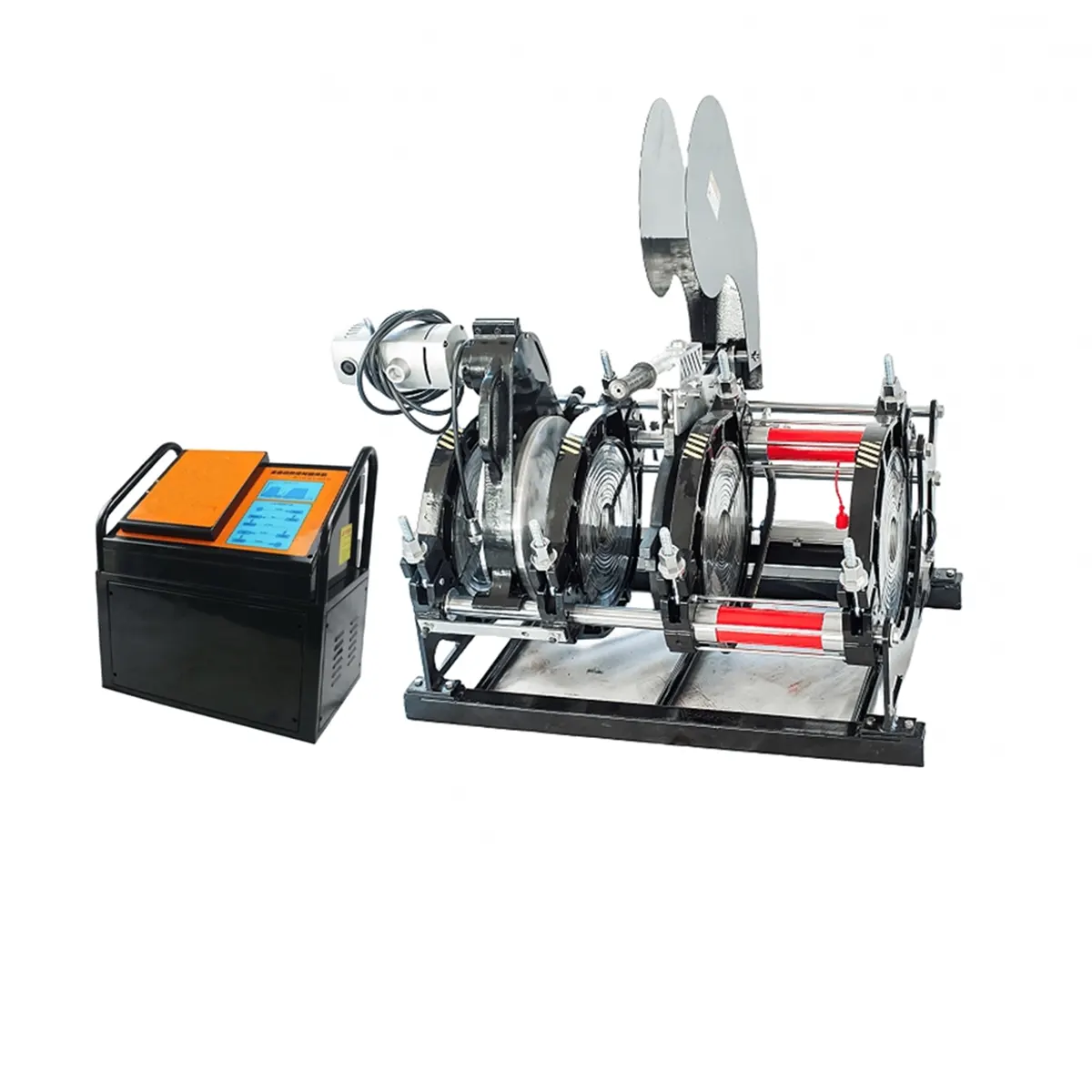
Common Applications for Poly Pipe Welders
Municipal water supply, gas distribution, agricultural irrigation, and industrial process piping are typical French applications. Contractors value machines that balance portability for on-site work with precision controls for consistent fusion quality.
Key Features to Evaluate
When assessing welding equipment for French projects, prioritize:
– Accurate temperature and pressure control for repeatable butt fusion
– Wide pipe diameter range to cover both small service lines and large mains
– Durable construction and easy maintenance for long field life
– Clear documentation and training materials in French or with local support options
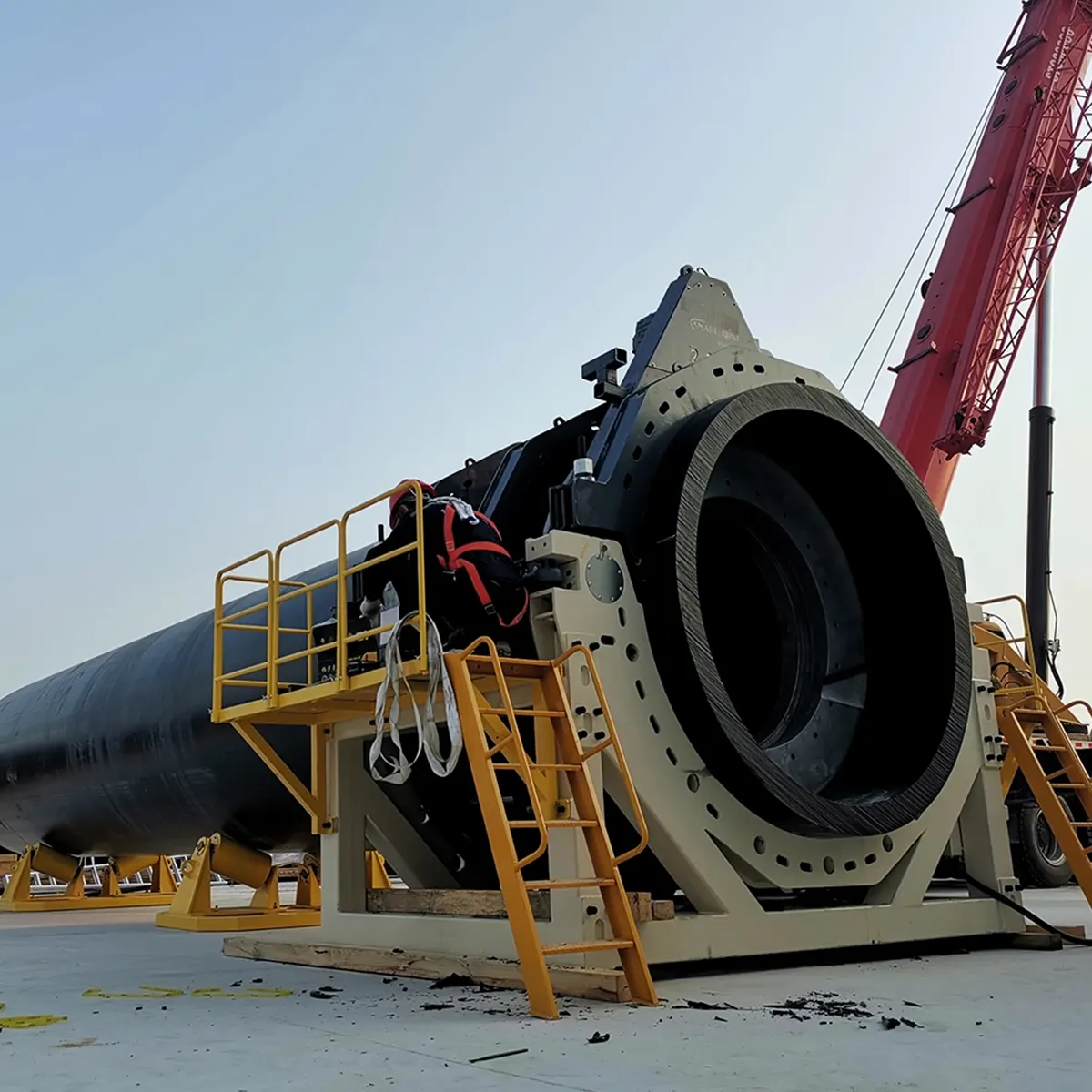
Product Snapshot — Typical Machine Types
| Machine Type | Pipe Range (mm) | Ideal Application |
|---|---|---|
| Manual Butt Fusion | 20 – 315 | Service connections, small repairs |
| Hydraulic Butt Fusion | 160 – 2000+ | Large mains, industrial pipelines |
| Automatic/CNC Machines | 63 – 1250 | High-volume prefabrication, factory use |
Quality and Compliance in the French Market
French standards and EU regulations require traceable weld records and consistent joint strength. Machines with digital logging and clear reporting streamline acceptance by local authorities and project owners. Look for suppliers who provide testing procedures, calibration options, and on-demand documentation to support inspections.
Local Support and Training
Successful installations in France often depend on rapid technical support and operator training. Choose equipment vendors that can offer on-site commissioning, French-language manuals, or certified training sessions that align with the norms of French utility operators and civil contractors.
Why Choose a Trusted Manufacturer
Partnering with an experienced manufacturer ensures access to a full product range, spare parts, and service expertise. One such global supplier is JQ-Fusion, known for HDPE pipe welding machines across manual, hydraulic, and CNC automatic platforms.
Practical Tips for French Contractors
– Verify machine calibration before major jobs and keep digital weld logs.
– Use appropriate welding programs for local material grades and ambient conditions.
– Maintain a spare parts kit tailored to your most used models to minimize downtime.
– Schedule operator refreshers to maintain skill levels and safety.
Getting Started
Evaluate your project scale, pipe diameters, and site conditions. For municipal projects or large industrial pipelines in France, favor hydraulic or automatic butt fusion machines with robust documentation and available local service. For smaller service work, portable manual welders offer a cost-effective solution without compromising weld integrity.
For project planners and procurement teams across France, investing in proven poly pipe welding equipment means fewer leaks, faster commissioning, and compliance confidence — all crucial for long-term network performance.



