
Butt fusion machines are the backbone of reliable HDPE pipeline installation in Serbia — from municipal water networks in Belgrade suburbs to rural irrigation and regional gas distribution. Choosing the right machine affects weld quality, site productivity, and long-term pipeline integrity. This guide walks Serbian contractors, public utility buyers, and project managers through the practical steps for selecting the optimal butt fusion solution.
Why Butt Fusion Machines Matter for Serbia’s Pipeline Projects
Serbia’s infrastructure projects often combine urban upgrades and rural expansion. Winters can be cold and construction seasons short, which makes fast, consistent fusion welding essential. Butt fusion produces strong, homogeneous joints ideal for potable water, natural gas, and irrigation systems used across the country. Reliable welding also reduces leaks, maintenance costs, and regulatory headaches for municipalities and private contractors alike.
Key Types: Manual, Hydraulic, and Automatic
Manual machines are compact and cost-effective for small-diameter pipes and occasional site work. They suit small contractors and repair teams working on 20–160mm lines.
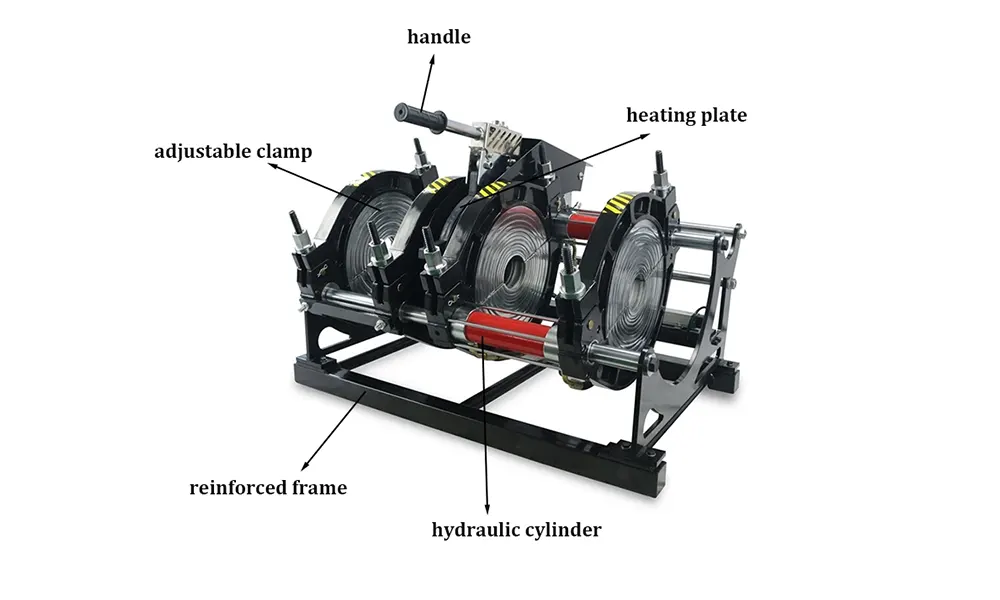
Hydraulic machines provide higher clamping force, ideal for medium to large diameters (160–630mm) and for jobs with frequent use on uneven terrain or long daily workloads.
CNC automatic machines deliver the greatest repeatability and record-keeping for large projects (315mm and above), where welding speed and data traceability are priorities for public tenders and funded projects.
How to Choose the Right Machine: Practical Criteria
1. Pipe diameter range: Match the machine to the common pipe sizes you install. In Serbia, typical ranges are 63–110mm for household connections, 160–315mm for distribution, and 400mm+ for trunk mains.
2. Site mobility and build: Choose portable manual units for remote villages; hydraulic or wheeled frames for larger road-side or open-trench projects.
3. Production rate & automation: Automatic controls speed up welding cycles and reduce human error — important for contractors bidding on large infrastructure contracts or EU-funded works.
4. Power source & heating: Verify heater element power and compatibility with local generators or grid voltages. Winter sites may need faster heater recovery.
5. Durability & serviceability: Rust-resistant frames, easy-to-replace heating plates, and accessible spares reduce downtime on long projects.
6. Standards & certification: Ensure the machine and welding procedures meet EN, ISO or local technical specifications required by Serbian utilities and tender documents.
Quick Comparison: Typical Machines vs. Use Cases
| Model Type | Diameter Range | Best For |
|---|---|---|
| Manual (light) | 20–160mm | Service repairs, small contractors |
| Hydraulic (standard) | 160–630mm | Municipal distribution, road works |
| CNC Automatic | 315–2000mm+ | Large trunk mains, industrial projects |
Typical Serbia Use Cases
Urban renewal projects around Belgrade and Novi Sad need machines that balance speed and traceability. Rural municipalities require portable units for seasonal maintenance and irrigation systems in Vojvodina. Mining or industrial sites in southern Serbia may demand heavy-duty hydraulic or automatic machines capable of large-diameter welding under harsh conditions.
Buying Tips & Local Logistics
When procuring equipment in Serbia, confirm spare parts delivery times and local technical support. Train crews in Serbian-language manuals or arrange on-site training to ensure consistent weld quality. Check electrical specifications for heaters and consider protective covers for winter storage. For public tenders, include documentation of welding cycles and test results to meet inspection requirements.
For contractors who need a trusted manufacturer and full-range HDPE welding solutions, consider contacting JQ-Fusion for model selection, spare parts, and training options: https://jq-fusionwelding.com/



