
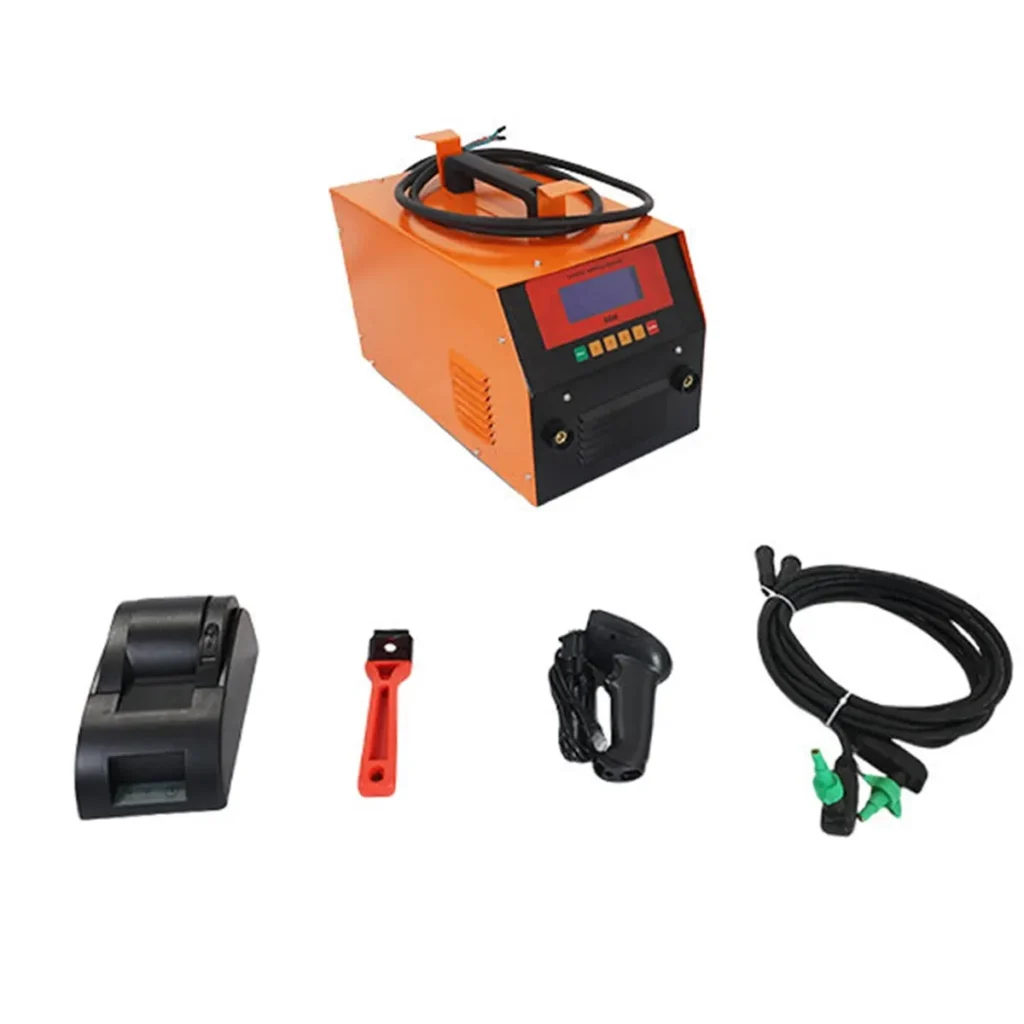
The electric fusion pipe welding machine is a reliable solution for joining thermoplastic pipes like HDPE and PP in water, gas, and industrial pipeline systems. This guide covers how electric fusion (electrofusion) machines work, key features to look for, typical uses, maintenance and safety tips, and practical buying advice to help procurement teams and contractors choose the right equipment.
How Electric Fusion (Electrofusion) Works
Electrofusion uses fittings with embedded heating elements. When the electric fusion pipe welding machine supplies current to the fitting, the wire heats and melts both the fitting and pipe surfaces, creating a molecular bond as the material cools. Compared with butt fusion, electrofusion is ideal for repairs, fittings, and situations where access is limited or pipe alignment is difficult.
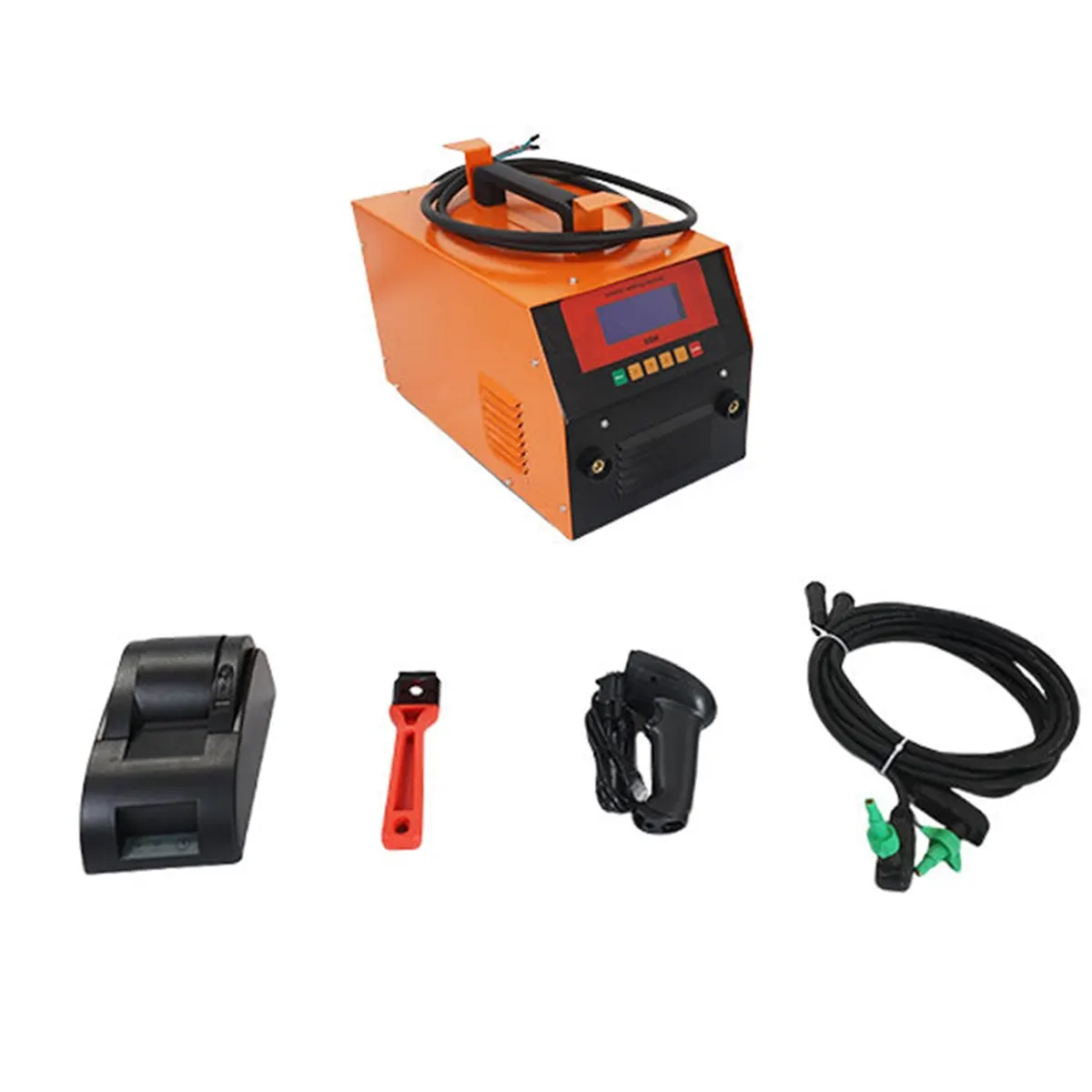
Key Components of an Electrofusion Machine
Control Unit
The control unit manages welding programs, current, and cycle timing. Look for units with clear displays and programmable weld profiles for consistency and traceability.
Clamping/Fixture System
Stable clamps prevent movement during welding. Systems range from portable clamps for small-diameter repairs to heavy-duty fixtures for large fittings.
Power and Cabling
A robust power supply and quality leads ensure consistent heating. Consider cable length and connector quality for mobile site work.
Top Features to Compare Before Buying
- Programmable Weld Profiles: Save settings for different fitting types and materials to reduce human error.
- Digital Traceability: Date/time stamps, weld logs, and exportable records for quality assurance.
- Portability vs. Capacity:
- Lightweight units suit field repairs; heavier bench-style machines offer higher power and stability for production environments.
- Safety Protections:
- Overcurrent, thermal cutoffs, and grounding features protect operators and equipment.
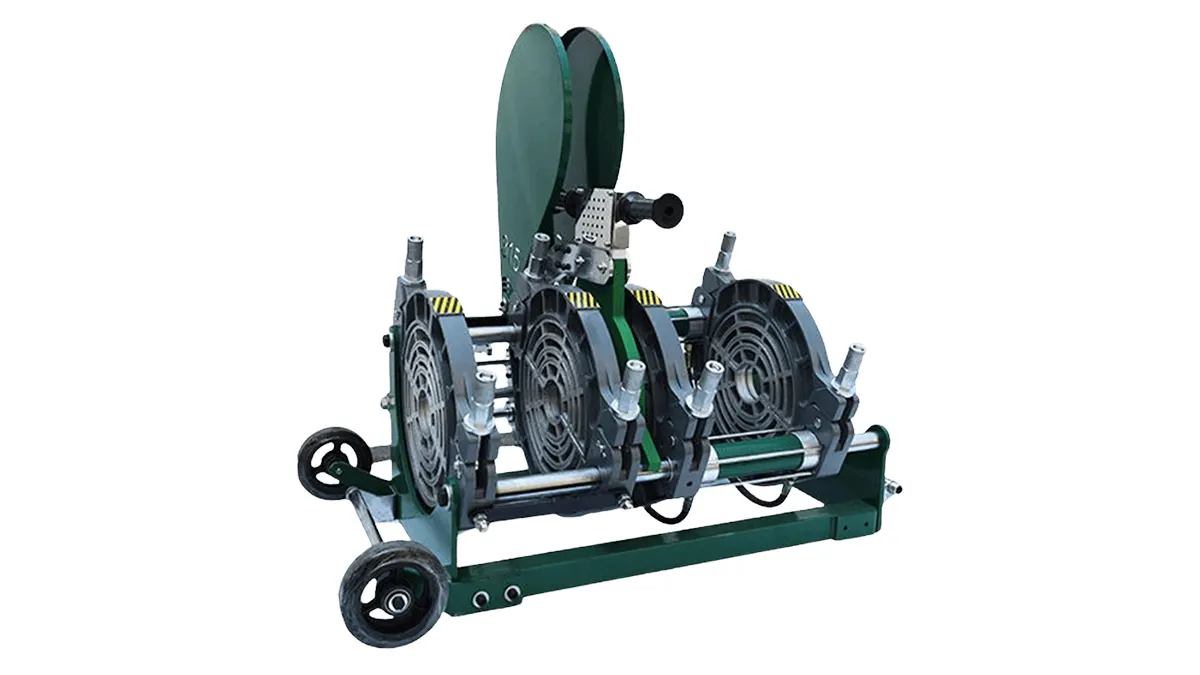
Electrofusion vs. Butt Fusion — Quick Comparison
| Method | Best For | Advantages |
|---|---|---|
| Electrofusion | Repairs, fittings, valves, branch connections | Quick, precise for complex connections, minimal alignment required |
| Butt Fusion | Straight pipe runs, larger diameters | High-strength full-penetration welds, efficient for long runs |
Common Uses and Industries
Electrofusion pipe welding machines are widely used across:
- Municipal water distribution and wastewater systems
- Gas distribution networks where secure, leak-free joints are critical
- Agricultural irrigation systems for durable, low-maintenance pipelines
- Industrial process lines requiring chemical resistance and robust joints
Buying Tips: What to Prioritize
1. Weld Quality and Consistency
Choose a machine with programmable settings and clear weld logs. Consistent current delivery and temperature control are essential for reliable electrofusion joints.
2. Compatibility with Fitting Brands and Pipe Materials
Confirm the machine supports the types of electrofusion fittings and pipe materials (HDPE, PE100, PP) used on your projects.
3. Portability and Power Source
If you work on remote sites, favor units with battery options or generators compatibility. For workshop settings, prioritize higher-capacity, bench-style machines.
4. After-Sales Support and Training
Quality supplier support reduces downtime. Ask about training, spare parts availability, and warranty terms.
Maintenance and Safety Best Practices
- Regular Calibration: Verify control unit accuracy periodically to maintain weld integrity.
- Inspect Cables and Connectors: Replace damaged leads immediately to avoid inconsistent heating.
- Follow Manufacturer Welding Procedures: Clean pipe surfaces, use recommended heating cycles, and observe cooling times.
- Operator Safety: Use insulated gloves and eye protection and ensure proper grounding of equipment.
Quick Checklist Before a Weld
- Pipe and fitting surfaces clean, dry and free of oxidation
- Correct program/profile selected on the control unit
- Clamps secured and pipe alignment verified
- Power source stable and safety protections engaged
Sample Specification Table (Typical Electrofusion Unit)
| Item | Typical Range / Value |
|---|---|
| Supported Pipe Diameter | 20 mm – 630 mm (varies by model) |
| Power Supply | AC mains / battery options |
| Weld Logging | Onboard memory + USB export |
| Protection Features | Overcurrent, thermal cutoff, grounding |
Making the Final Decision
Match the machine capability with your project scale: elect electofusion welders for repair, branching and fittings; choose automated or hydraulic butt fusion systems for long runs and large-diameter pipe. Prioritize traceability and robust safety features to meet regulatory and project quality demands.
For reliable butt fusion and electrofusion solutions, consider equipment from JQ-Fusion: a manufacturer focused on HDPE pipe welding machines for global infrastructure projects. Visit JQ-Fusion for model options, specifications, and service support.



