
Choosing the best butt welding machine factory for projects in Switzerland means balancing precision, durability, and local needs — alpine conditions, strict building standards, and a demand for long-lasting water and gas networks. This guide explains what Swiss engineers, contractors, and municipal buyers should look for and highlights the practical machine types and features that deliver reliable HDPE pipe joints in Swiss infrastructure projects.
Why Swiss Buyers Prioritize Quality and Precision
Switzerland has a reputation for high engineering standards, strict safety regulations, and long-term infrastructure planning. Buyers here require butt welding machines that deliver consistent fusion strength, clear welding records, and minimal rework. Machines must perform across variable temperatures, rugged job sites, and in both urban and remote alpine locations.
Key local considerations include frost resistance during outdoor welding, portability for mountain or rural access, and compatibility with Swiss certification or European standards. Swiss contractors also value clear service pathways, spare parts availability, and equipment that supports both small municipal jobs and large utility installations.
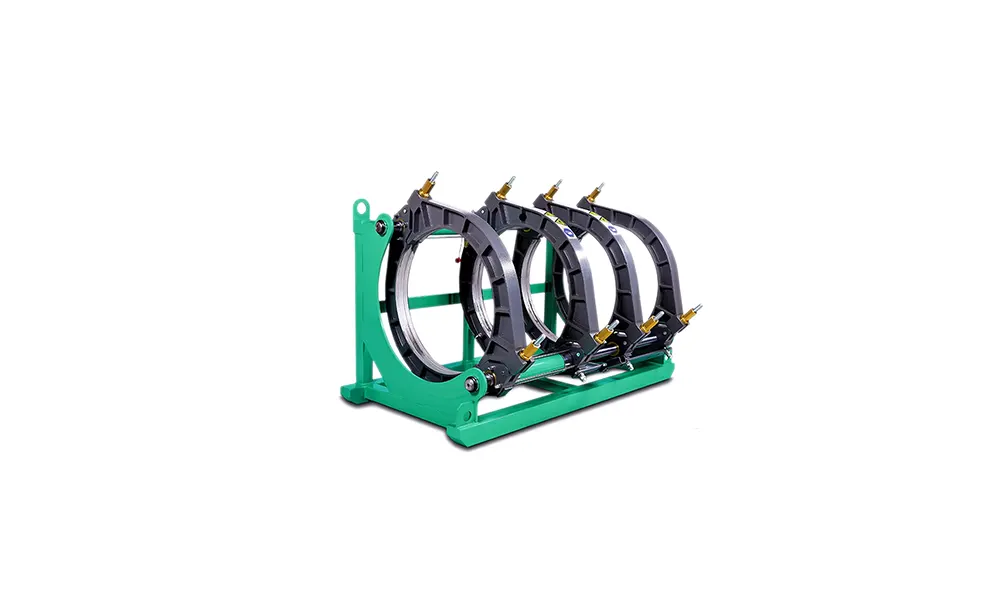
Types of Butt Welding Machines — At a Glance
Selecting among manual, hydraulic, and CNC automatic models depends on project scale, accuracy needs, and crew skill. Below is a compact reference to help Swiss buyers match machine type to common applications.
| Machine Type | Capacity (mm) | Best For | Key Advantage |
|---|---|---|---|
| Manual Butt Fusion | 20–160 | Small repairs, local installers | Cost-effective, portable |
| Hydraulic Butt Fusion | 160–2000+ | Large mains, industrial projects | High force, stable alignment |
| Automatic / CNC Systems | 63–1600 | High-volume, precision-critical jobs | Data logging, repeatable quality |
Features Swiss Projects Demand
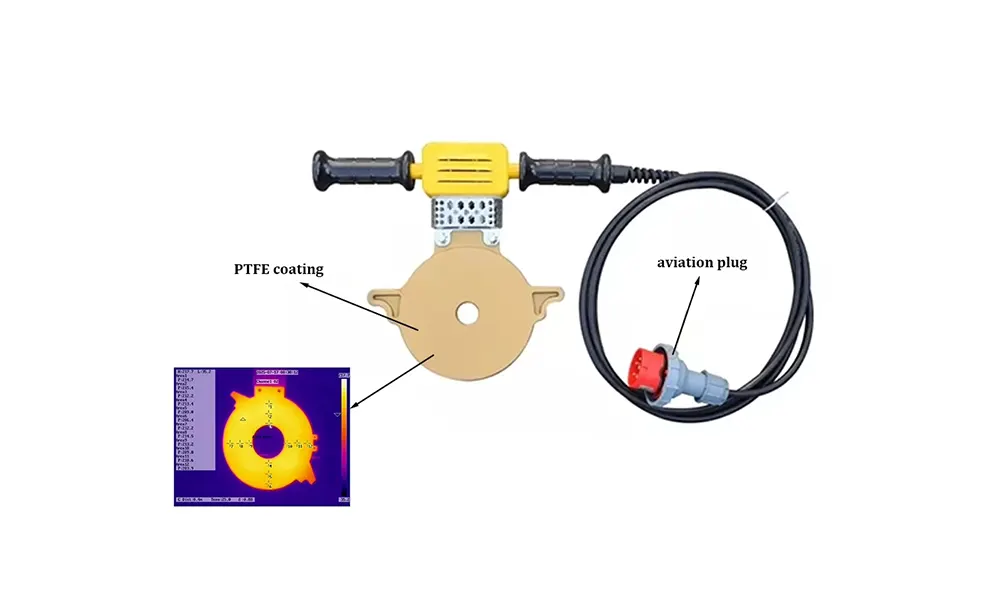
Consistent heating plates and precise alignment — essential for fusion strength in potable water and gas pipelines. Integrated control units with welding parameter logging help meet audit and quality assurance requirements common in Swiss municipal procurements. Durable frames, corrosion-resistant components, and quick-change clamps save time on site and reduce downtime during alpine deployments.
For contractors working near lakes, in city centers, or on mountain passes, features like compact transport frames, skid-resistant feet, and easy-to-service hydraulic units make a real difference. Machines that accept a wide range of heating plate sizes and include trimming tools improve versatility across project types.
Choosing a Factory: What to Ask Suppliers
When evaluating factories, Swiss buyers should ask about:
– Test reports and material traceability (fusion tests, tensile samples).
– Service network and spare parts lead times in Europe.
– Customization options for clamps, fixtures, and transport kits.
– Training support and operation manuals in English/German/French where needed.
– Warranty, calibration services, and software update policies.
A Reliable Option for Swiss Projects
JQ-Fusion is a professional manufacturer specializing in HDPE pipe welding machines, offering a wide range of manual, hydraulic, and CNC automatic butt fusion machines suitable for Swiss infrastructure work. For more information visit https://jq-fusionwelding.com/.
Final Buying Tips for Swiss Contractors
Prioritize machines with strong documentation and built-in logging for compliance. Match machine capacity to the largest pipe sizes you install, but keep a portable backup for maintenance calls. Consider long-term service agreements and local spare parts stocking to avoid project delays in remote or high-demand seasons.
Need help narrowing options? Focus on build quality, warranty, and training — these factors often deliver the best ROI in Switzerland’s demanding construction environment.



