
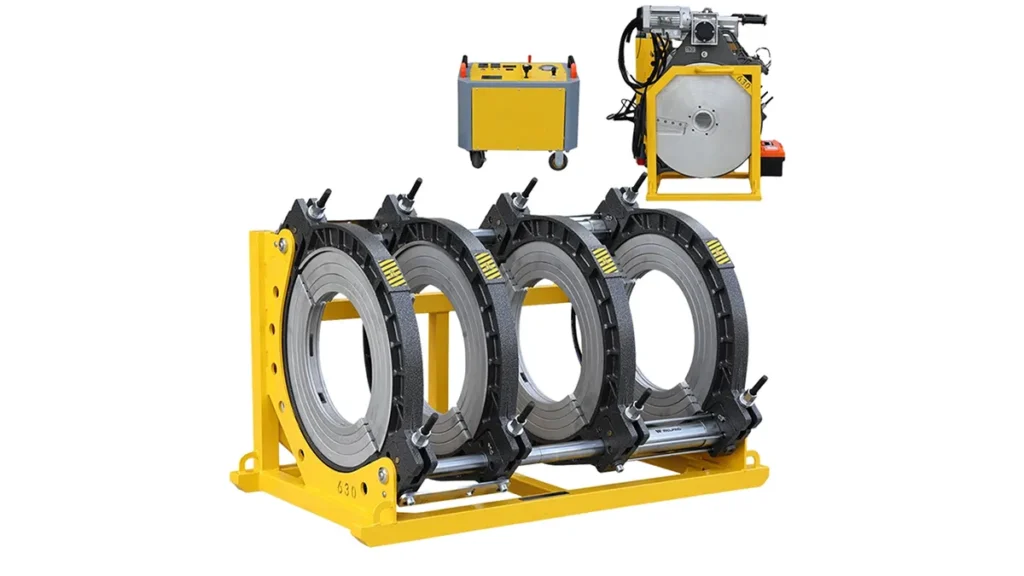
Selecting the right butt fusion machine supplier in Algeria can make or break your HDPE pipeline project. Whether you’re a contractor working on municipal water lines in Algiers, an engineer on a gas distribution network in Oran, or a mining operator in the Sahara region, this guide helps you evaluate suppliers, match equipment to job requirements, and avoid costly mistakes.
Understand Local Project Needs
Project scale and environment: Algerian projects vary from urban rehabilitation to large-scale desert installations. Consider pipe diameter ranges, expected joint counts, and working conditions (dust, heat, limited power supply).
Applications: Water supply and sanitation, gas distribution, irrigation and agricultural networks, mining and industrial pipelines — each requires different machine features like portability, automation level, and heating-control accuracy.
Key Supplier Evaluation Criteria
1. Product Range and Compatibility
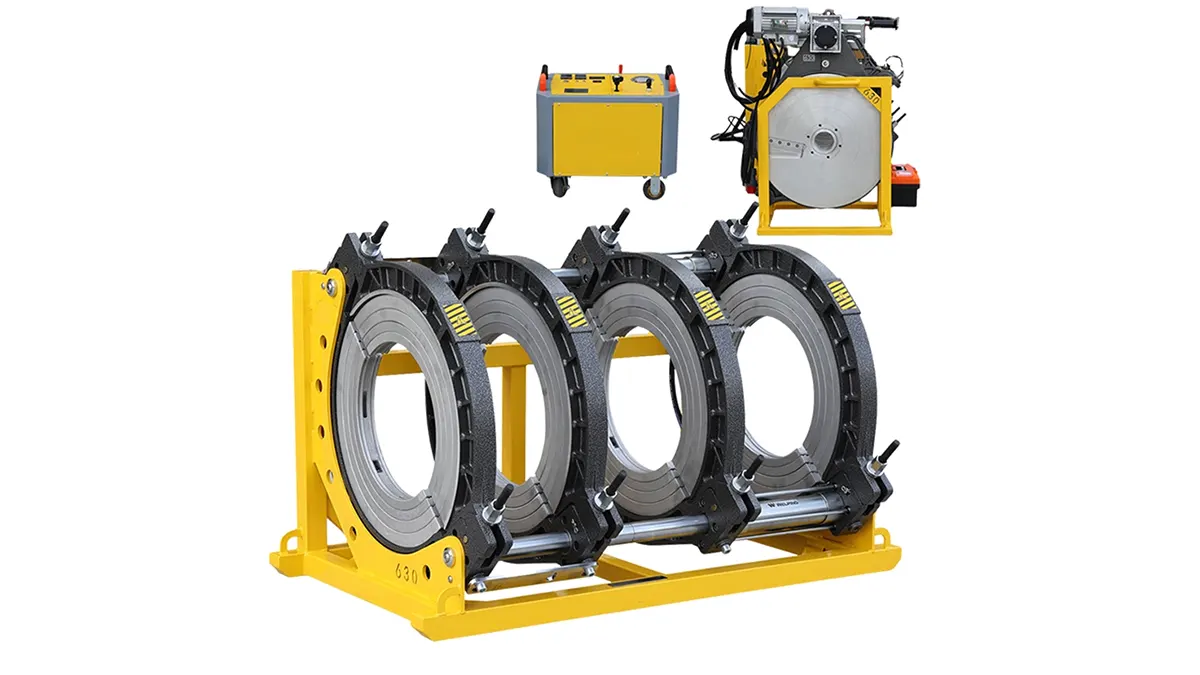
Look for suppliers offering manual, hydraulic and CNC automatic butt fusion machines that cover the pipe diameters you plan to weld. Compatibility with common HDPE pipe SDR classes and fittings used in Algeria is essential.
2. Quality, Standards & Certifications
Verify CE, ISO or equivalent quality certifications, and ask for welding procedure records or machine calibration certificates. Machines with precise temperature control and quality heating plates improve weld reliability under local climate stresses.
3. After-sales Support and Training
Local language technical manuals, remote support, and on-site training for Algerian crews reduce downtime. Confirm spare parts availability and estimated delivery times to major Algerian ports such as Algiers or Oran.
4. Warranty, Spare Parts & Service Network
A clear warranty policy, prompt spare parts supply, and recommended service intervals are vital. Suppliers with regional distributors or fast shipping options to North Africa are preferred.
Match Machine Type to Job Profile
Choose based on job constraints and productivity needs:
• Manual machines: best for small-diameter, low-volume repairs and remote sites with tight budgets.
• Hydraulic machines: ideal for frequent field welds across medium diameters; balance portability and power.
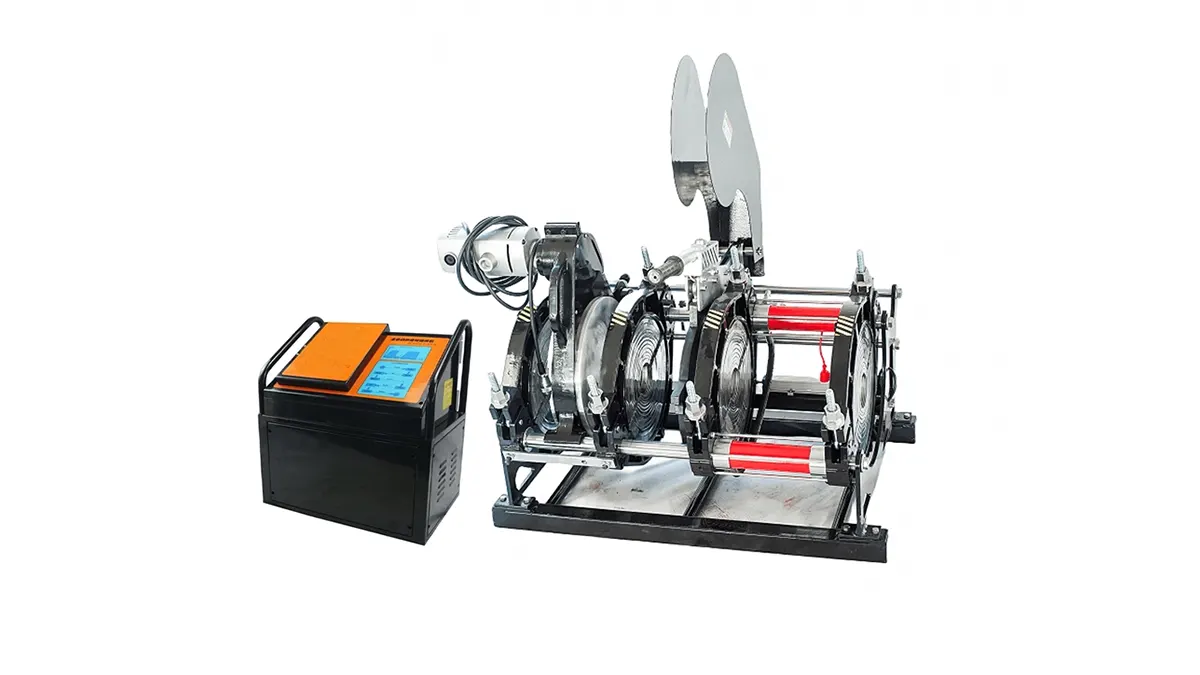
• CNC automatic machines: recommended for factory-like conditions or large-diameter pipelines where repeatable, documented welds and speed are priorities.
Logistics, Pricing and Local Considerations in Algeria
Seek suppliers familiar with shipping to Algerian ports, customs processes, and typical transit times. Ask about packaging for desert transit and options for inland transport to project sites in southern Algeria.
Cost factors: Machine price, freight, customs duties, spare parts freight and training — all affect total project cost. Cheaper machines without reliable support can increase lifetime cost through rework.
Decision Matrix: Quick Comparison
| Criteria | What to Ask | Why It Matters |
|---|---|---|
| Machine range | Supported pipe diameters and SDR classes | Ensures you won’t need multiple suppliers |
| Certifications | CE/ISO and calibration records | Compliance with international quality standards |
| Support | Onsite training, spare parts lead time | Reduces project delays and repair costs |
| Documentation | Operation manuals, welding reports | Needed for quality assurance and owner acceptance |
Practical Tips for Algerian Buyers
• Request sample welding records or case studies from North African or similar climate projects.
• Confirm whether training is provided in French or Arabic to match local crews’ language preferences.
• Plan spare-part stocks for long desert deployments where resupply is slow.
• Evaluate the supplier’s experience with large diameter machines if working on municipal trunk lines or oil & gas projects.
Contact & Manufacturer Snapshot
JQ-Fusion — a manufacturer of manual, hydraulic and CNC automatic HDPE butt fusion machines covering small to large diameters; known for customizable solutions, strict quality control and global project support.
Final Checklist Before You Buy
• Confirm machine models and spare parts list.
• Verify certifications and ask for a reference from a similar project.
• Agree on training scope, warranty terms, and spare-part delivery timelines to Algeria.
• Ensure clear documentation for weld records and machine calibration logs.



