
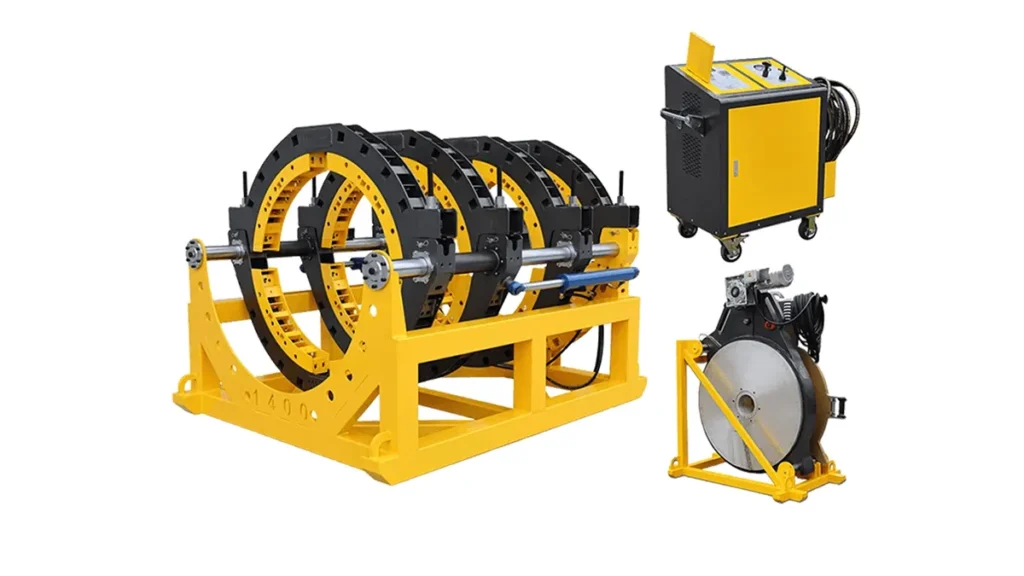
Choosing the right PE low pressure pipe welding machine can make the difference between a reliable pipeline and repeated repairs. This guide covers the core types, selection criteria, model comparison, operation tips, and maintenance best practices to help contractors, municipal teams, and pipeline installers make informed decisions.
What is a PE Low Pressure Pipe Welding Machine?
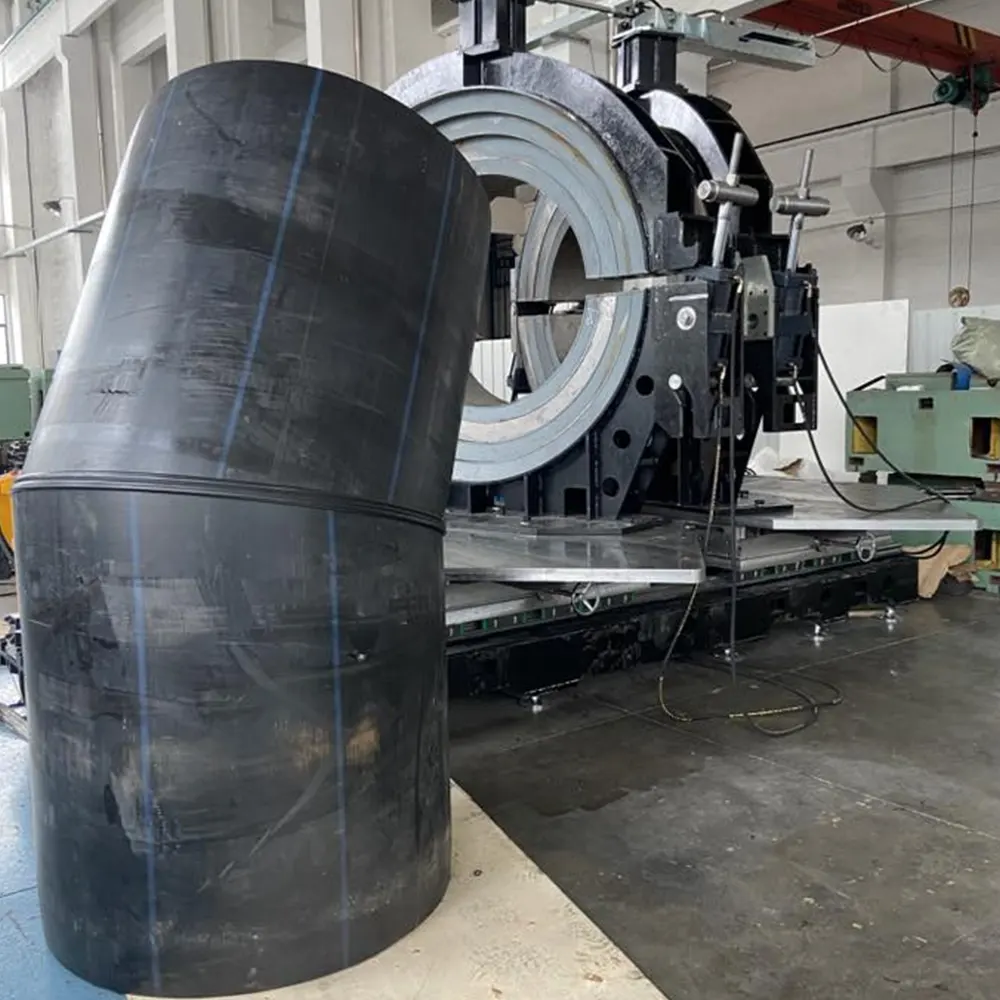
PE low pressure pipe welding machines are designed to join polyethylene (PE/HDPE) pipes used in low-pressure systems such as water supply, irrigation, drainage, and some gas distribution networks. Common joining methods include butt fusion and electrofusion. Machines vary from portable manual units to large hydraulic or CNC-driven automatic systems, each suited to different project scales and site conditions.
Common Applications
Water utilities, agricultural irrigation, municipal drainage, and light industrial piping are typical applications. Selecting a machine that matches pipe diameter, wall thickness, and site mobility needs is essential for consistent weld quality.
Types of PE Welding Machines
Manual Butt Fusion Machines
Portable and economical. Best for small-diameter pipes and remote sites. Require skilled operators and careful alignment.
Hydraulic Butt Fusion Machines
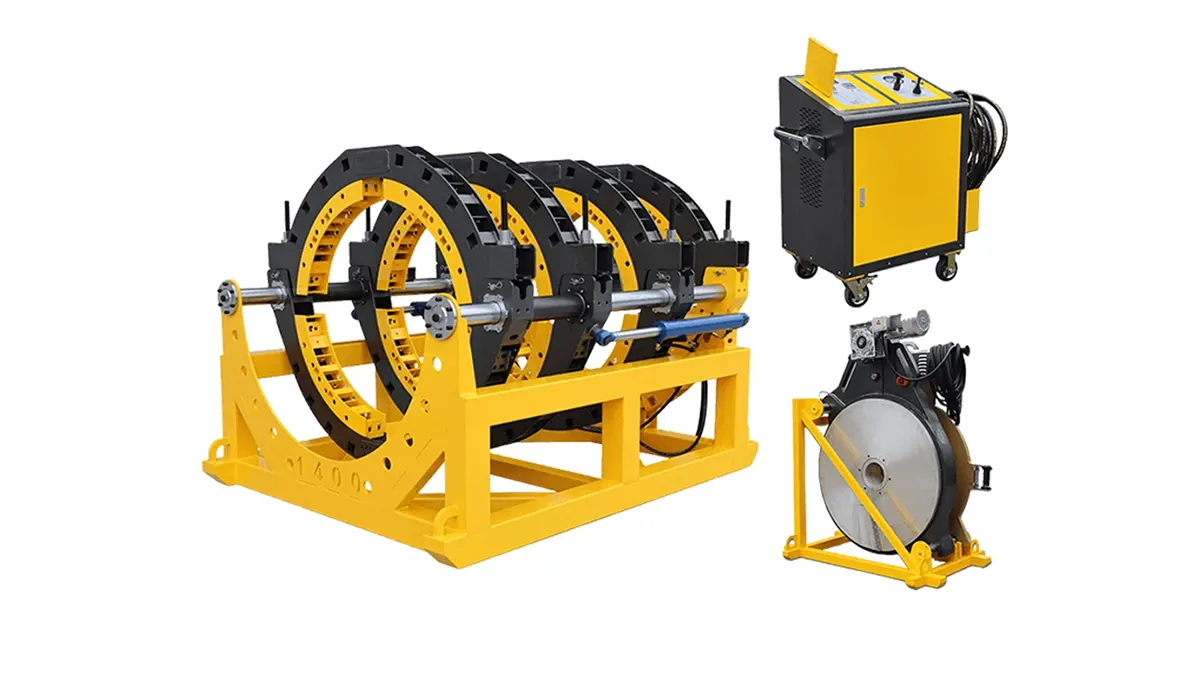
Offer stronger clamping force and higher repeatability for medium to large diameters. Often include hydraulic stations that improve stability and reduce operator fatigue.
Automatic / CNC Butt Fusion Machines
Provide precise control of temperature, pressure, and timing. Ideal for large infrastructure projects where traceable, repeatable welds are mandatory.
Electrofusion Machines
Specialized for fittings and repair couplers. They heat embedded resistive elements in fittings to fuse the joint—handy where butt fusion is impractical.
How to Choose: Key Selection Criteria
Picking the right machine requires balancing technical needs, budget, and site logistics.
1. Pipe Diameter Range
Select a machine rated for the full range of pipe diameters you’ll weld. Manual machines suit small sizes; hydraulic and automatic units cover medium-to-large diameters.
2. Welding Method
Use butt fusion for straight pipe runs and electrofusion for fittings/repairs. Some projects need both capabilities.
3. Control & Traceability
For regulated or high-value projects, choose CNC/automatic machines with digital controls and weld logs to ensure compliance and quality assurance.
4. Portability & Site Conditions
Consider weight, frame design, and power source. Remote or uneven sites favor compact manual units; urban or plant installations often allow larger, heavier machines.
5. Support, Spare Parts & Training
Look for manufacturers or suppliers who provide trained service, fast spare parts, and operator training. Proper training reduces weld defects and downtime.
Quick Model Comparison
| Model | Pipe Range (mm) | Type | Best For |
|---|---|---|---|
| JQH1400 | 160–1400 | Hydraulic Butt Fusion | Large municipal projects |
| JQLX-2M | 20–315 | Manual Butt Fusion | Field repairs, rural installs |
| Automatic CNC Unit | 63–630 | CNC Butt Fusion | Traceable production welding |
| Electrofusion Station | Fittings 20–1100 | Electrofusion | Repairs, fittings, tight spaces |
Operation Tips for Consistent Welds
Follow standardized procedures and safety practices to reduce defects.
Temperature and Heating
Use correct heater plate temperatures and ensure the plate surface is clean and flat. Overheating or uneven heating causes weak welds.
Alignment and Clamping
Accurate alignment prevents misalignment stresses. Use appropriate clamps and secure pipes before heating and fusion.
Cool Down and Handling
Allow sufficient controlled cooling time under pressure. Early handling or shock cooling can weaken the joint.
Maintenance & Safety
Routine maintenance preserves machine life and welding quality.
- Keep heater plates and cutters clean and protected.
- Inspect hydraulic hoses, fittings, and seals regularly.
- Store machines in dry, dust-free environments when not in use.
- Provide operator PPE: gloves, eye protection, and insulated tools for hot components.
Common Mistakes to Avoid
Avoid these frequent errors to improve first-pass weld success:
- Skipping operator training or welding procedure checks.
- Using worn heater plates or blunt trimmers—replace damaged consumables.
- Rushing cool-down or removing clamps too early.
Return on Investment (ROI) Considerations
Higher upfront cost for hydraulic or automatic machines often pays back through faster weld cycles, fewer rejects, and better traceability. For contractors working across diverse projects, a balanced fleet (portable manual units + 1–2 hydraulic/CNC machines) usually offers the best value.
Where to Get Expert Help
For reliable butt fusion solutions and project-specific recommendations, contact JQ-Fusion for product options, spare parts, and training resources.



