
Electrofusion welding machines deliver consistent, leak-free joints for HDPE pipelines used in water, gas, mining, and industrial systems. This guide outlines practical buying criteria, performance benefits, and real-world applications to help engineers, contractors, and procurement teams choose the right electrofusion solution for efficient pipe fusion.
Why Electrofusion Is Ideal for HDPE Pipe Projects
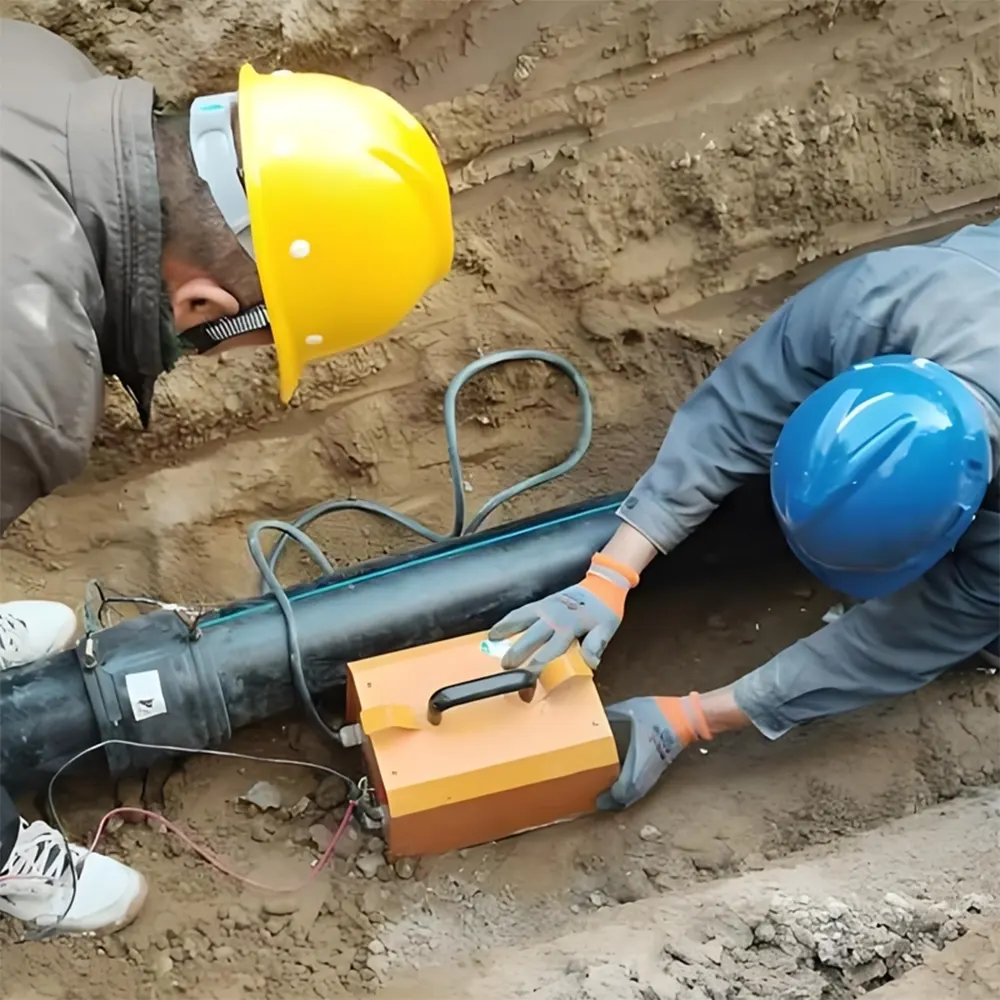
Reliable joints: Electrofusion creates uniform heating inside the fitting, producing strong, reproducible welds that reduce field rework.
Fast deployment: Portable units enable on-site fusion with minimal setup—critical for urban repairs and remote installations.
Safety and environment: The controlled heating method minimizes thermal stress and reduces the risk of contamination compared with mechanical couplings.
Key Features to Evaluate
Power and voltage range: Look for units that support stable current output and compensate for supply fluctuations to ensure consistent weld cycles.
Digital controls and logging: Machines with programmable parameters and traceable weld logs improve QA/QC and documentation for regulatory compliance.
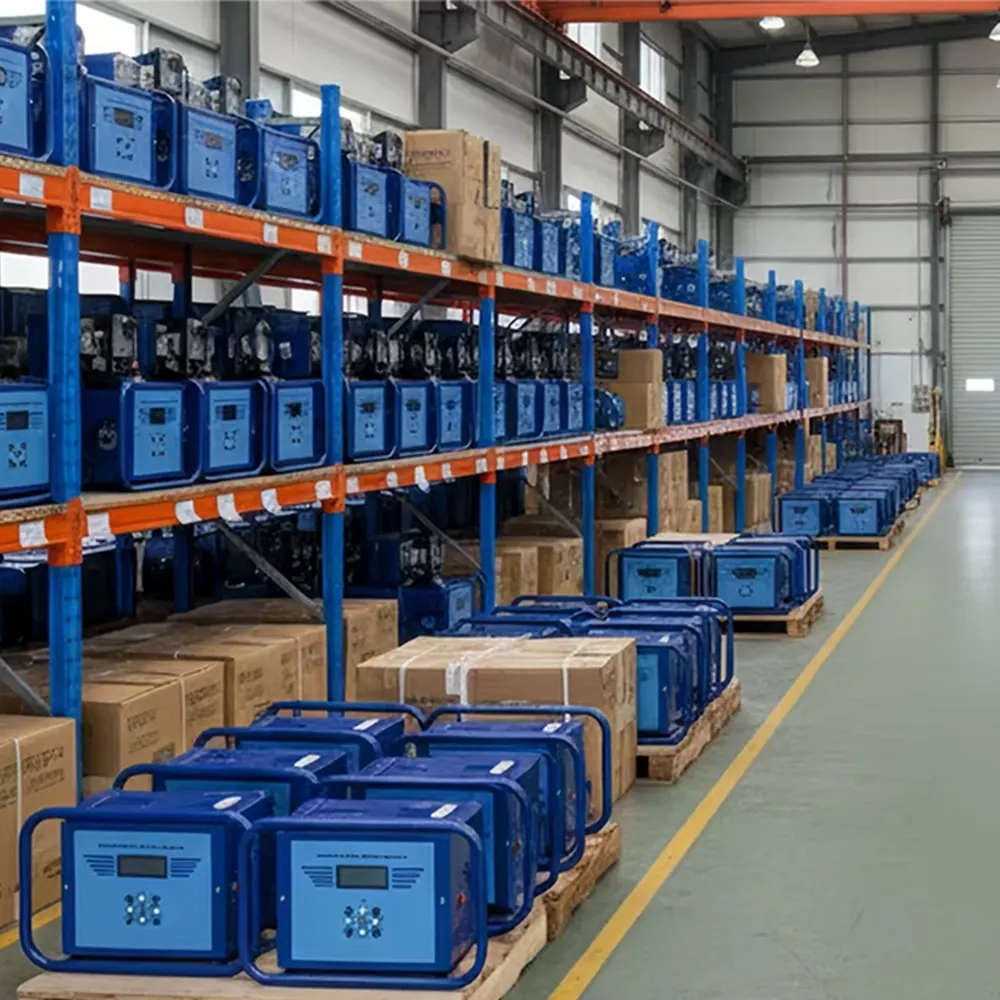
Portability vs. industrial capacity: Portable handheld units suit service teams, while benchtop or skid-mounted systems provide higher power for large-diameter fittings.
Compatibility with fittings: Ensure the controller and cable set match the electrofusion fitting manufacturer codes to avoid improper weld programs.
Electrofusion Machine Specs — Typical Comparison
| Specification | Standard Portable Unit | High-Power Site Unit |
|---|---|---|
| Power Output | 1.5–3 kW | 5–10 kW |
| Supported Pipe Range | 20–315 mm | 20–630 mm |
| Interface | LCD, USB log export | Touchscreen, Wi-Fi/Bluetooth |
| Weight | 8–15 kg | 25–60 kg |
| Typical Warranty | 12 months | 12–24 months |
Applications & Industry Use Cases
Water distribution: Electrofusion fittings are widely used for potable water mains and branch connections because of their long-term leak resistance.
Gas networks: Controlled fusion and traceable weld records support regulatory safety requirements in gas distribution projects.
Mining & industrial pipelines: Robust electrofusion joints resist vibration and harsh environments common in mining applications.
Installation Best Practices
Surface preparation: Clean pipe surfaces thoroughly, remove oxidation, and keep fittings dry to ensure proper fusion contact.
Correct programs: Always run the weld program specified by the fitting manufacturer and verify clamp alignment before starting the cycle.
Environmental controls: In cold or wet conditions use sheltering and temperature compensation settings to maintain weld integrity.
After-Sales Support & Training
Many project teams invest in operator training and calibration services to maximize uptime. Choose suppliers that provide clear weld logging, spare parts availability, and responsive technical support to minimize downtime.
Common Questions
Q: How do you verify a successful electrofusion weld? A: Verify weld logs, visual inspection for bead formation, and follow recommended cooling times before pressure testing.
Q: Can electrofusion be used on large-diameter systems? A: Yes — high-power site units and specialized fittings allow electrofusion on increasingly large diameters with appropriate equipment.
About the manufacturer: JQ-Fusion is a professional manufacturer specializing in HDPE pipe welding machines, providing reliable butt fusion solutions for global infrastructure projects.



