
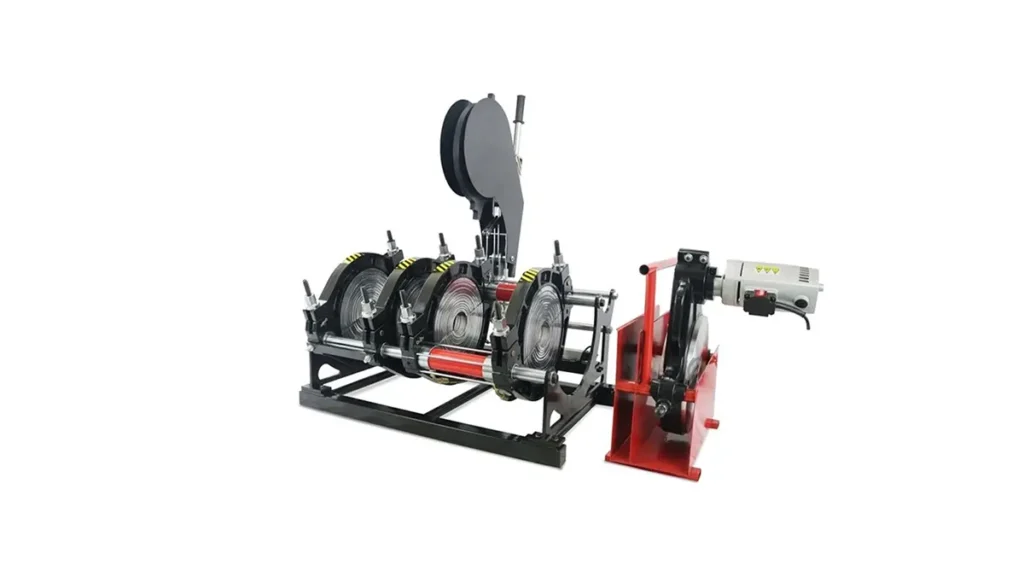
Choosing the right automatic pipe welding machine maker in Mauritius can make or break large-scale infrastructure and plumbing projects. From coastal desalination plants to inland water networks and industrial pipelines serving sugar mills and resorts, local contractors need machines that match tropical conditions, port logistics, and skilled labor availability. This guide helps procurement teams, engineers, and contractors evaluate suppliers and pick the most reliable automatic butt fusion and CNC welding solutions.
Understand Your Project Needs First
Scope and pipe material: Confirm pipe type (HDPE, PE100, MDPE), diameter range, wall thickness and any multi-angle fittings required. For municipal water, irrigation or gas distribution projects common in Mauritius, machines that handle a wide diameter range offer flexibility.
Production vs. fieldwork: Stationary automatic machines suit factory prefabrication; mobile hydraulic or CNC units are better for site welding along road-shoulder trenches and remote island locations.
Technical Features to Prioritize
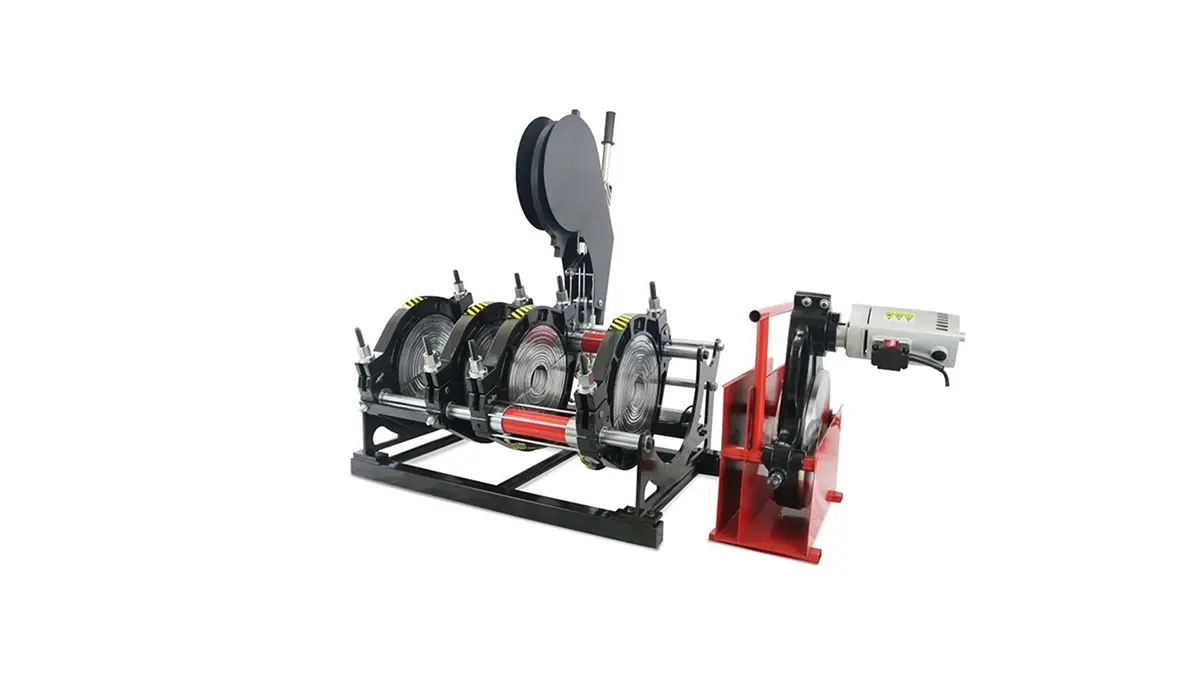
Automation level: Look for programmable heating cycles, automatic alignment, and memory for welding parameters to ensure repeatable joints and reduced operator error.
Clamping & alignment: Robust clamps and accurate plate flatness are critical in humid, coastal climates to avoid misalignment from corrosion or salt deposits.
Power & control: Choose suppliers offering machines with voltage tolerance suitable for Mauritius’ grid and optional diesel generators for remote sites.
Local Conditions in Mauritius and Practical Needs
Mauritius contractors face salt spray, high humidity, and tight import timetables. Prioritize machines with corrosion-resistant finishes, easy-to-service hydraulics, and spare parts that can be shipped quickly via Port Louis. Training materials in English or French and on-site commissioning are valuable given the bilingual work environment.
Supplier Evaluation Checklist
When vetting automatic pipe welding machine makers, compare these aspects:
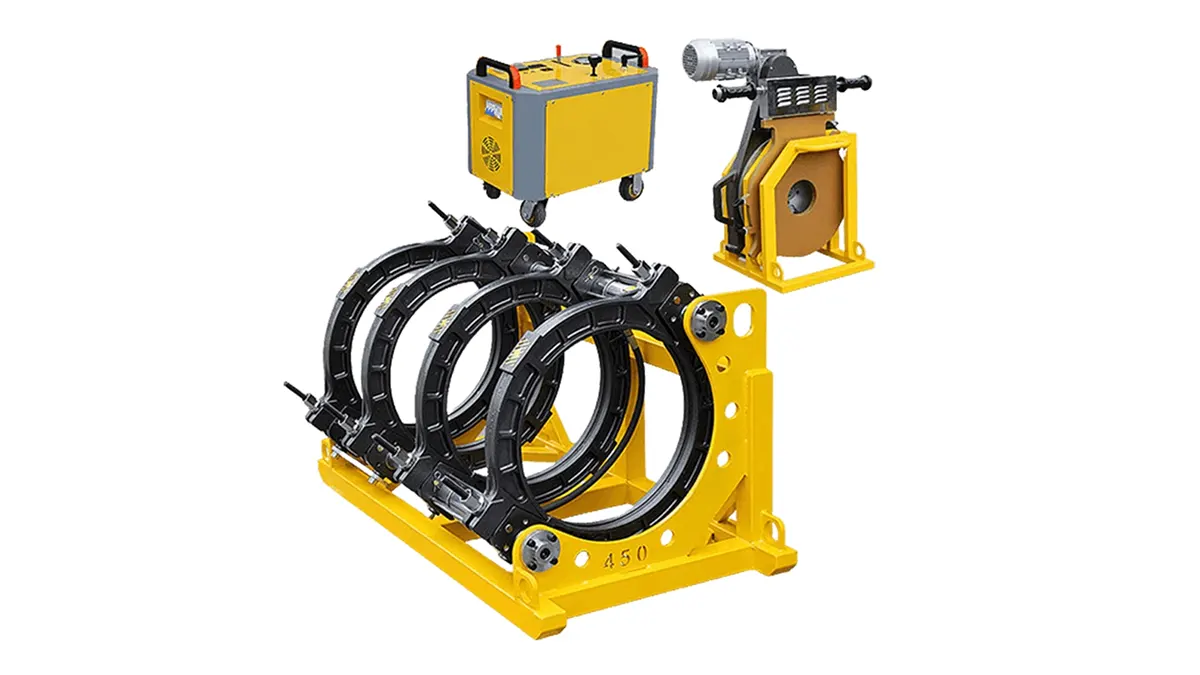
- Experience and references in supplying HDPE welding equipment for water, gas, and industrial pipelines.
- Warranty & spare parts availability, and whether they provide fast shipping to Mauritius.
- Certification (ISO, CE) and compliance with international fusion standards (e.g., ISO 21307 / EN 12201 guidance).
- Training & after-sales support — remote diagnostics, user manuals in English/French, and on-site commissioning options.
Quick Comparison: Machine Types
| Machine Type | Best For | Typical Pipe Range |
|---|---|---|
| Automatic CNC Butt Fusion | High-volume factory welding, consistent joints | 63mm – 630mm+ |
| Hydraulic Mobile Units | On-site pipeline installation in remote areas | 20mm – 1600mm (model dependent) |
| Manual / Portable Machines | Small repairs, tight-access jobs | 20mm – 315mm |
Cost, Shipping & Local Support
Total cost includes machine price, import duties, shipping to Port Louis, on-site training and spare parts stock. Ask suppliers for lead times and consolidated shipping options to reduce costs. Local partners or distributors can speed up maintenance and certification support.
Why Supplier Reputation Matters
A reliable maker offers tested welding procedures, consistent manufacturing quality, and a clear spare-parts supply chain. For many Mauritian projects where downtime is costly, choose a supplier who commits to fast technical support and documented fusion performance.
Company Snapshot: JQ-Fusion provides a range of manual, hydraulic, and automatic butt fusion welding machines tailored for varied pipe sizes and industrial uses, with emphasis on quality, customization and global service.
Next steps: Define your pipe specs, request machine datasheets and local shipping quotes, and ask for references from similar island or tropical projects before finalizing your purchase.



