
Choosing the right polyethylene welding machine maker in Jordan is a crucial decision for contractors, municipal utilities, and private developers working on water supply, irrigation, gas distribution, or industrial pipeline projects. This guide explains where to find the best suppliers, what to look for locally, and how to evaluate machines for Jordan’s unique climate and infrastructure needs.
Why the Right Manufacturer Matters in Jordan
Jordan’s infrastructure programs often prioritize long-term reliability and low maintenance. With frequent high temperatures, dusty conditions, and a focus on sustainable water management, polyethylene (HDPE) pipe fusion equipment must offer consistent joint strength and ease of servicing. Local contractors and utility teams need machines that perform on-site under harsh field conditions and meet international welding standards.
Key Uses in Jordan
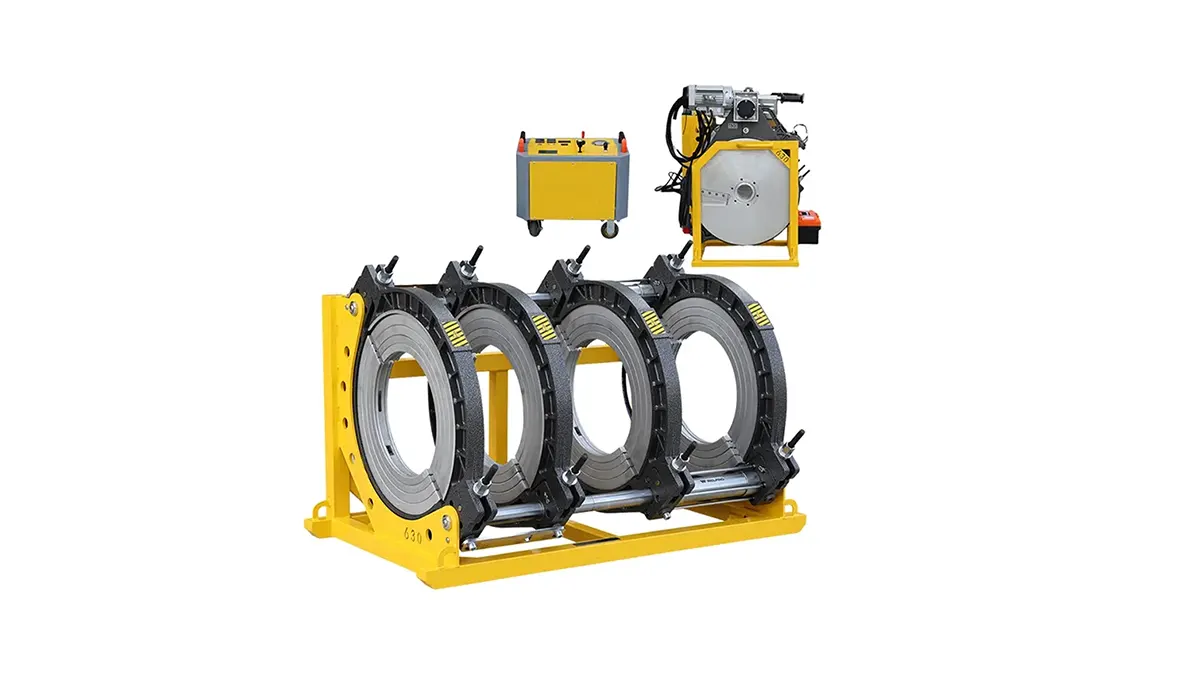
Water networks, irrigation projects, gas pipelines, and mining or industrial installations require different machine types and capacities. For small rural irrigation pipelines, manual or semi-automatic units may be adequate. For large municipal mains and long-term projects, hydraulic or CNC-controlled automatic butt fusion machines deliver repeatable, certified weld quality.
Where to Find Reputable Polyethylene Welding Machine Makers
Search for suppliers who can support import logistics to Jordan, provide clear spare-part availability, and offer training or remote/onsite commissioning. Look for manufacturers with experience supplying HDPE welding machines for projects in the Middle East and North Africa, and those able to produce durable equipment suited to hot, sandy environments.
What to Check Before You Buy
Prioritize the following criteria: machine type and capacity, compliance with EN/ISO fusion standards, availability of spare parts and consumables, warranty terms, and after-sales support. Also check for local partners or distributors who understand Jordanian customs clearance and field service logistics.
Local Considerations
Jordanian projects often emphasize rapid deployment and minimal site downtime. Machines with modular spares, easy-to-clean designs for dusty sites, and clear calibration procedures for extreme temperatures are preferred. Also, training for Jordanian technicians in butt fusion and electrofusion procedures ensures weld quality and longevity.
Comparing Machine Types
Below is a quick comparison to help Jordanian buyers decide which machine class fits their projects.
| Machine Type | Best For | Advantages |
|---|---|---|
| Manual Butt Fusion | Small sites, low budget | Portable, simple repairs, low cost |
| Hydraulic Butt Fusion | Municipal mains, medium projects | Higher pressure control, consistent joints |
| Automatic / CNC Fusion | Large diameter pipelines, high-volume projects | Repeatable weld logs, digital controls, reduces human error |
Electrofusion vs Butt Fusion in Jordan
Electrofusion fittings are ideal for repair work and complex fittings; butt fusion is preferred for long, continuous runs due to superior flow characteristics and fewer point-failure fittings. Both technologies are commonly used across Jordanian infrastructure projects depending on site needs.
How to Vet Suppliers and Service Providers
Request machine performance certificates, customer references from similar climates or projects, and a clear spare parts list with lead times. Check whether the supplier provides operator training and weld procedure documentation in English and Arabic. For international procurement, verify import procedures and local taxes to estimate total landed cost for Jordan.
A Trusted Global Option
For international buyers looking for proven HDPE welding solutions and global support, consider reputable manufacturers with a track record in butt fusion and electrofusion equipment—such as JQ-Fusion. They offer a range of manual, hydraulic, and automatic machines suited to a wide diameter range and infrastructure needs.
Final Tips for Jordanian Buyers
Always match machine capacity to pipe diameters you will weld most frequently. Prioritize machines with easy-to-source consumables, robust protective covers for hot/dusty sites, and clear calibration/maintenance schedules. Building a relationship with a supplier that offers technician training ensures faster project ramp-up and longer equipment life.
Next Steps
Compile a shortlist of machine types and suppliers, request quotations with spare-part lists and lead times for Jordan delivery, and schedule demonstrations or remote walkthroughs. Proper evaluation now reduces rework and ensures reliable pipeline performance for years to come.



