
Wholesale polyethylene pipe welding machines are essential equipment for contractors and distributors who supply and install HDPE pipelines. These machines deliver consistent butt fusion joints that meet strict safety and longevity requirements for water, gas, mining, and industrial systems. Below is a practical guide to help procurement teams, engineers, and site managers evaluate options and choose the right machine for large-scale projects.
Why Choose Polyethylene Pipe Butt Fusion Machines
Butt fusion welding creates homogenous joints by heating pipe ends and pressing them together, producing a connection as strong as the base material. For wholesale buyers, the right welding machines mean faster installation, lower rework, and predictable lifecycle costs. Key advantages include:
Reliability & Leak Resistance
High-quality welding machines ensure consistent heating and pressure control, minimizing defects and drastically reducing leak risks in potable water and gas distribution networks.
Scalability for Project Needs
From manual and portable units for remote sites to CNC automatic systems for high-throughput operations, machines are available to suit varied production rates and pipe diameters.
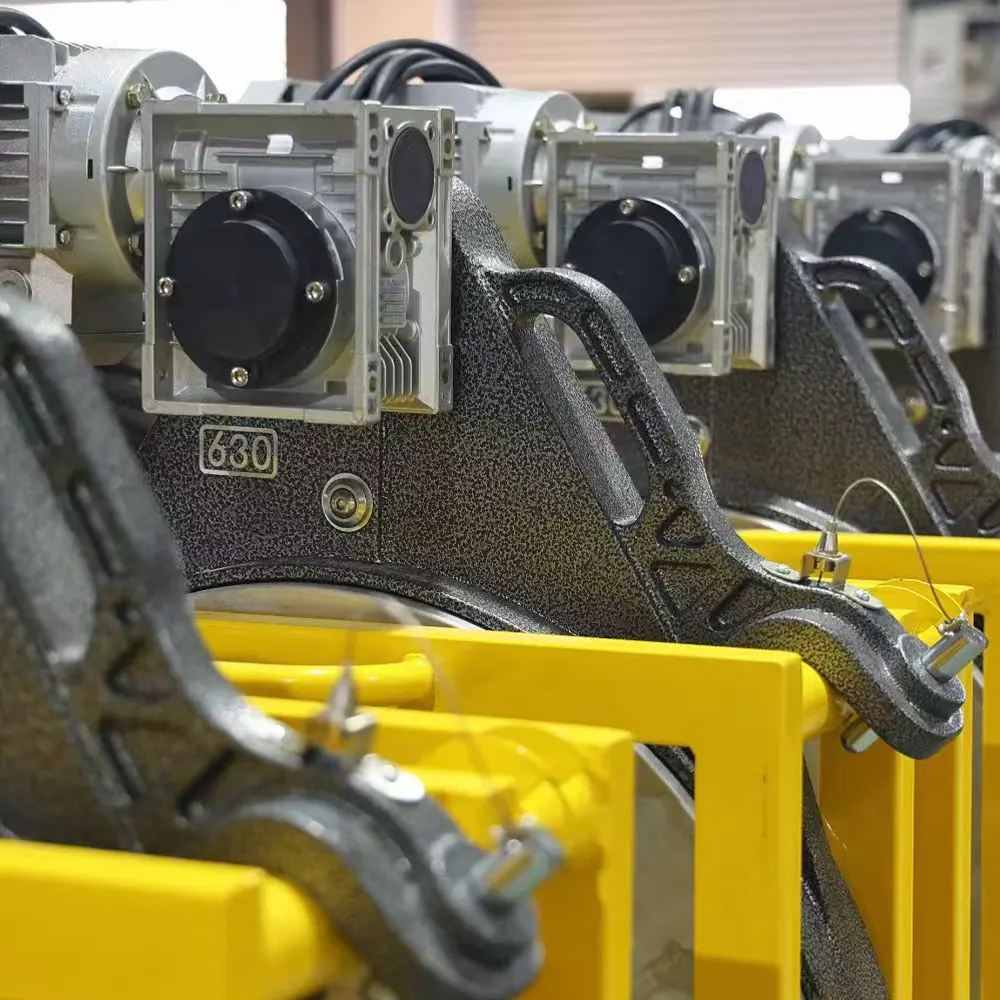
Types of Wholesale Welding Machines
Manual Butt Fusion Machines
Compact and cost-effective for small-diameter pipes. Ideal for local installers and service teams working in constrained spaces.
Hydraulic Butt Fusion Machines
Provide controlled, repeatable pressure for medium to large diameters. Favored in municipal works and industrial installations for their robustness and stability.
Automatic/CNC Butt Fusion Machines
Automated heating and fusion cycles with digital controls deliver the highest accuracy for production-scale welding, useful when quality documentation and traceability are required.
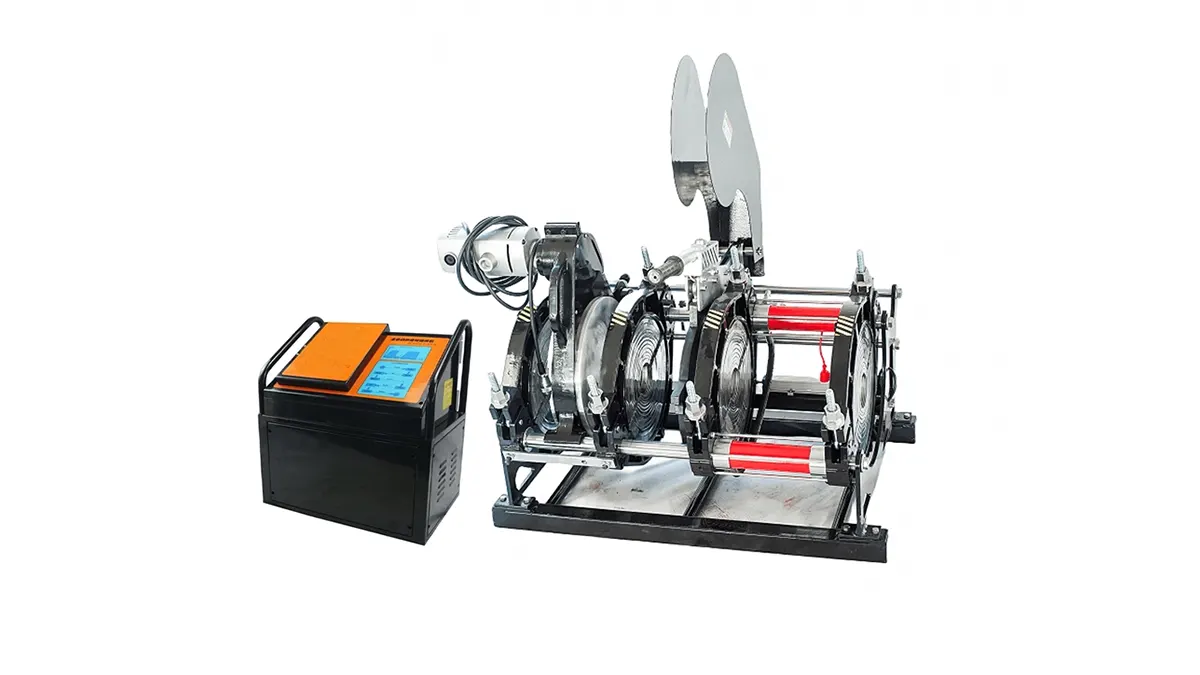
Key Features to Compare When Buying Wholesale
Clamping Capacity & Pipe Range
Ensure the machine covers the full diameter range of your projects—small bore distribution lines to large trunk mains. Some models offer interchangeable clamps or modular frames.
Control & Documentation
Digital control units with programmable cycles, real-time temperature/pressure readouts, and data export are crucial for quality assurance and regulatory compliance.
Mobility & Site Preparedness
Consider weight, portability, and power source options (electric, diesel generator compatibility) for installations in remote or limited-access locations.
Typical Applications
- Urban and rural water supply pipelines
- Gas distribution networks
- Mining slurry and tailings pipelines
- Industrial process piping and chemical transport
- Agricultural irrigation systems
Sample Specification Table (Reference)
| Model | Pipe Diameter Range | Type | Control |
|---|---|---|---|
| JQH160 | 16mm – 160mm | Hydraulic | Manual/Hydraulic |
| JQA250 | 63mm – 250mm | Automatic | CNC / Digital |
| JQH1000 | 500mm – 1000mm | Hydraulic Large-Diameter | Digital / PLC |
Maintenance, Training & Spare Parts
To protect your investment and ensure uptime, plan for scheduled maintenance and staff training. Keep a stock of critical spare parts: heater plates, trimming tools, hydraulic seals, and control sensors. Regular calibration of pressure and temperature controls ensures repeatable weld quality across long projects.
Buying Tips for Wholesale Customers
- Request performance data and welding cycle records for sample machines.
- Confirm availability of local technical support and spare parts logistics.
- Negotiate training packages and initial service support as part of the purchase.
- Ask for references from similar projects (water utilities, gas grids, mining companies).
Warranty & After-Sales Considerations
Look for transparent warranty terms and responsive service channels. A reliable supplier will provide clear documentation for repairs, consumables, and extended support options. If you need a proven manufacturer with a broad product line, consider contacting JQ-Fusion for model options, customization, and wholesale inquiries.
Final Note
Choosing the right polyethylene pipe welding machine for wholesale procurement requires balancing capacity, automation level, portability, and serviceability. Prioritize machines that deliver consistent weld quality and clear documentation to support long-term pipeline performance and regulatory compliance.



