
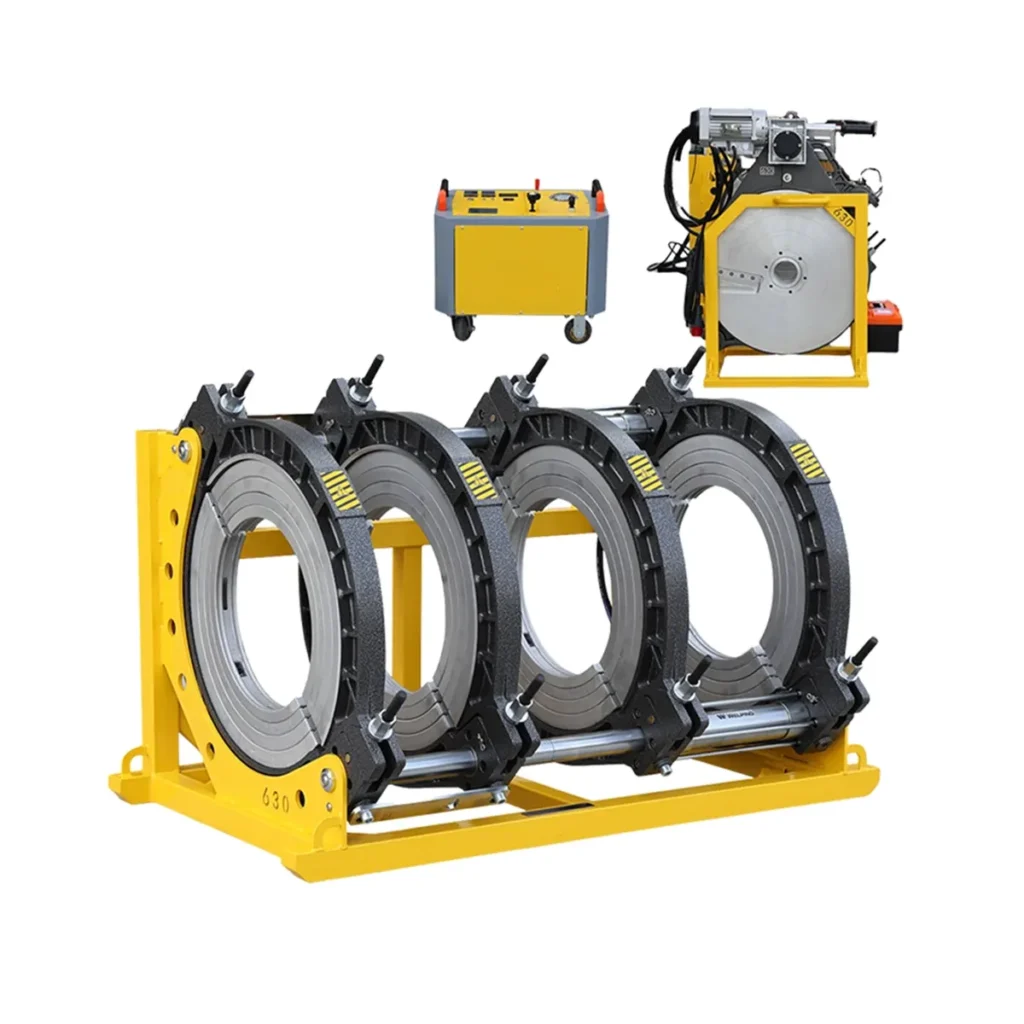
The rapid expansion of water supply, mining, and rural infrastructure projects in Niger has driven demand for reliable HDPE pipe joining solutions. Choosing the right automatic pipe welding machine maker in Niger means balancing durability for Sahel conditions, easy logistics to remote sites, and local service availability.
Why Niger Needs Robust Automatic Pipe Welding Machines
Heat, dust, and long transport distances define many Niger project sites. From urban potable water networks in Niamey to remote irrigation and uranium mining operations in Agadez, contractors need welding equipment that remains accurate and dependable in high temperatures and during lengthy deployments.
Key Features to Look For
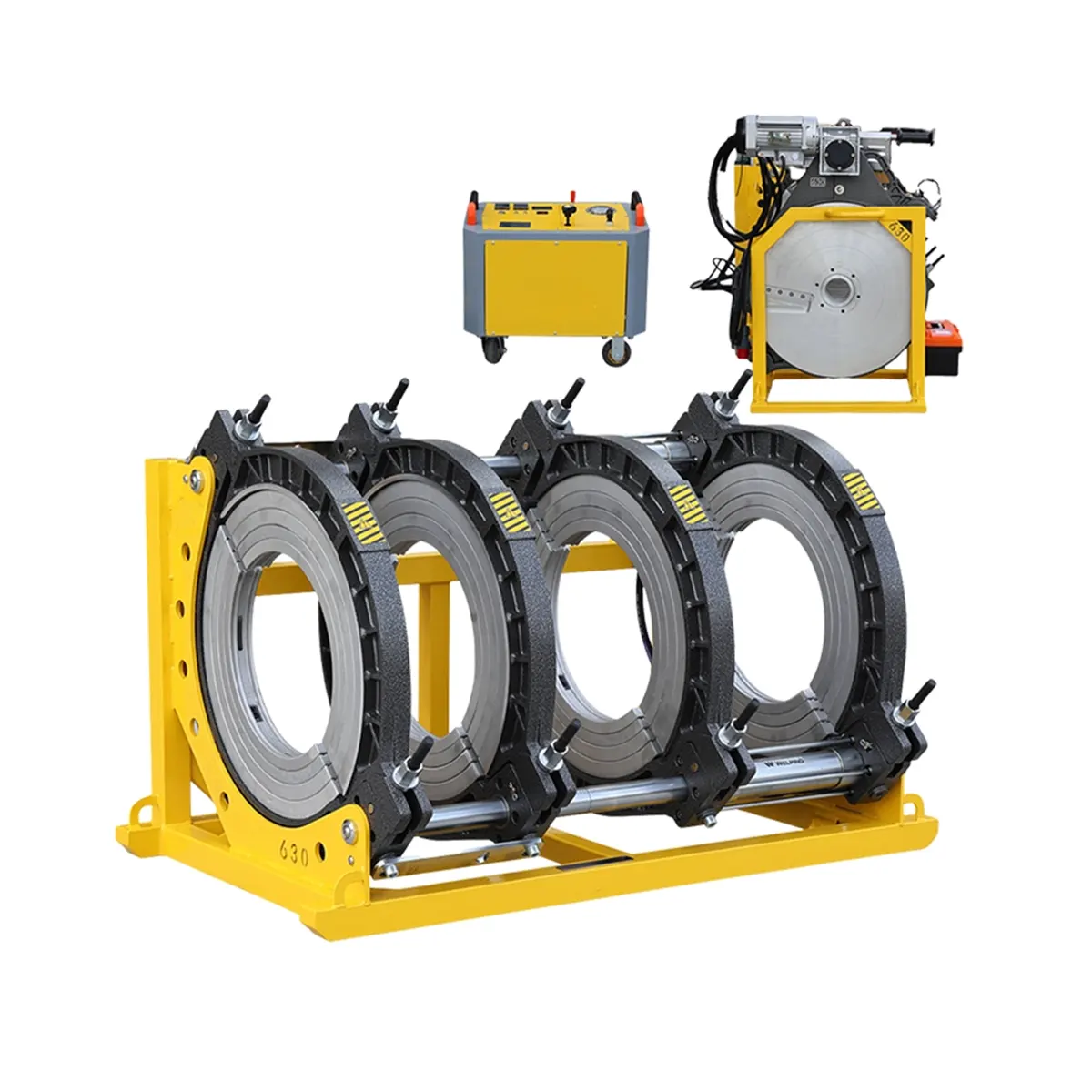
Durability and portability: machines must be corrosion-resistant, lightweight enough for truck/4×4 access, and have secure packaging for cross-border shipment. Power flexibility: diesel generators or low-voltage electric compatibility help on sites without stable grid power. Control and traceability: automated temperature control and welding logs reduce rework and meet project QA requirements.
Core specifications that impact performance
| Feature | Why it matters in Niger | Recommended spec |
|---|---|---|
| Pipe diameter range | Matches municipal and mining pipeline sizes | From 20mm up to 2000mm (depending on projects) |
| Automation level | Reduces operator error in hot environments | CNC or PLC-controlled with data logging |
| Power options | Ensures site flexibility | AC 220V / 110V and generator-compatible |
| Spare parts & service | Minimizes downtime on remote jobs | Local stocking or express shipping agreement |
How to Vet an Automatic Pipe Welding Machine Supplier
Experience with HDPE butt fusion technology is essential. Ask for case studies in similar climates or industries—water utilities, irrigation, and mining are the most relevant sectors in Niger. Confirm supplier compliance with international standards (ISO, ASTM) and request demonstration videos or on-site trials when possible.
Practical supplier checklist
Make sure the supplier can provide: warranty terms, operator training (onsite or remote), spare parts kits, clear export documentation for customs in Niger, and flexible payment/shipping terms. Local agent presence or a reliable logistics partner speeds delivery to inland regions.
Questions to ask before purchase
How does the machine handle temperature variation? What power sources does it accept? Are welding reports exportable for QA? What lead times for spare parts and consumables? Can the supplier support installation and operator training in Niger?
Recommended Machine Types for Niger Projects
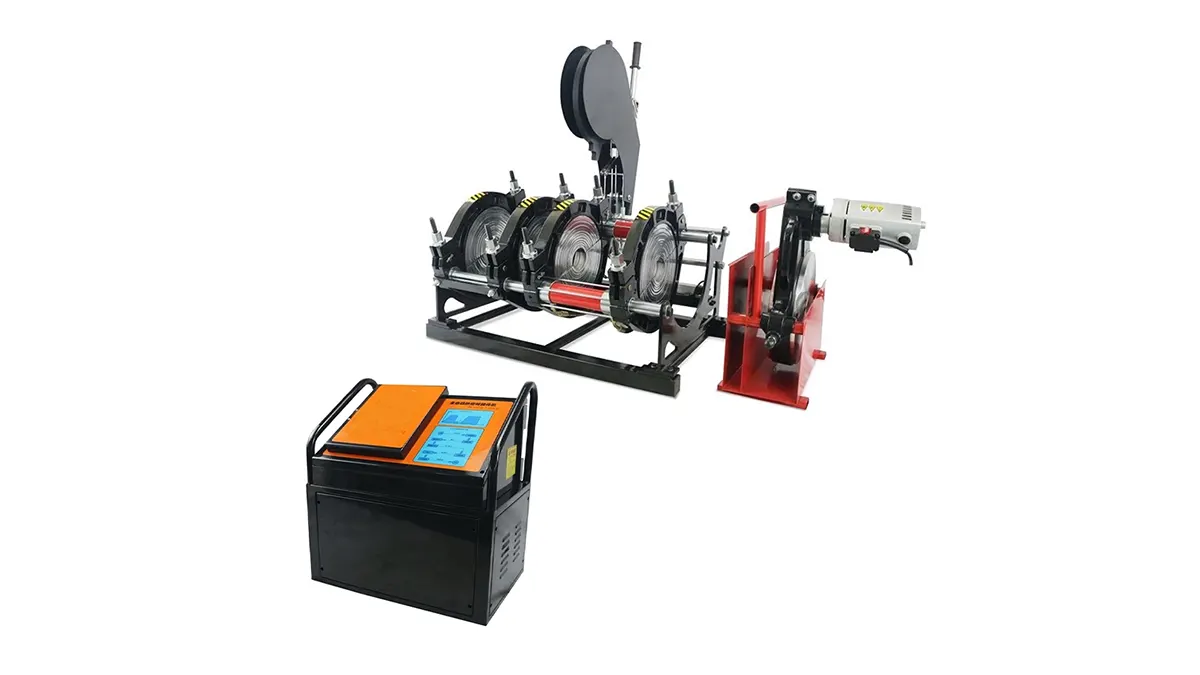
Manual and compact models are suitable for small rural water networks and repairs. Hydraulic and automatic CNC models are ideal for high-volume municipal works or mining pipelines needing consistent, traceable welds. Prioritize machines with easy-to-replace heating plates and robust clamps for sandy, dusty conditions.
Final considerations for procurement in Niger
Plan for transport to landlocked Niger—choose suppliers experienced with cross-border logistics into West Africa. Factor in customs clearance, local testing, and a training schedule that aligns with the rainy season and site access windows. Investing in a slightly higher-grade automatic butt fusion machine often reduces lifetime costs through fewer rejects and lower rework rates.
For contractors and project managers seeking proven butt fusion solutions, consider manufacturers with a strong global track record and the ability to support remote African projects. Learn more about one such supplier at JQ-Fusion.



