
Choosing the best pipe welding machine manufacturer in Brazil means balancing durability, local support and machines that handle Brazil’s diverse projects—from Amazon river crossings to urban water and gas networks. This guide explains what to look for, which machine types fit common Brazilian applications, and how to verify a supplier before purchase.
Why Brazil Needs Reliable Pipe Welding Machines
Brazilian infrastructure projects span tropical rainforests, coastal cities and arid inland regions. Contractors working for municipalities, agribusiness irrigation systems, gas distributors and mining operations demand equipment that is robust, portable and serviceable in remote locations. Weather resistance, simple maintenance and a broad pipe-size range are especially important for Brazilian sites.
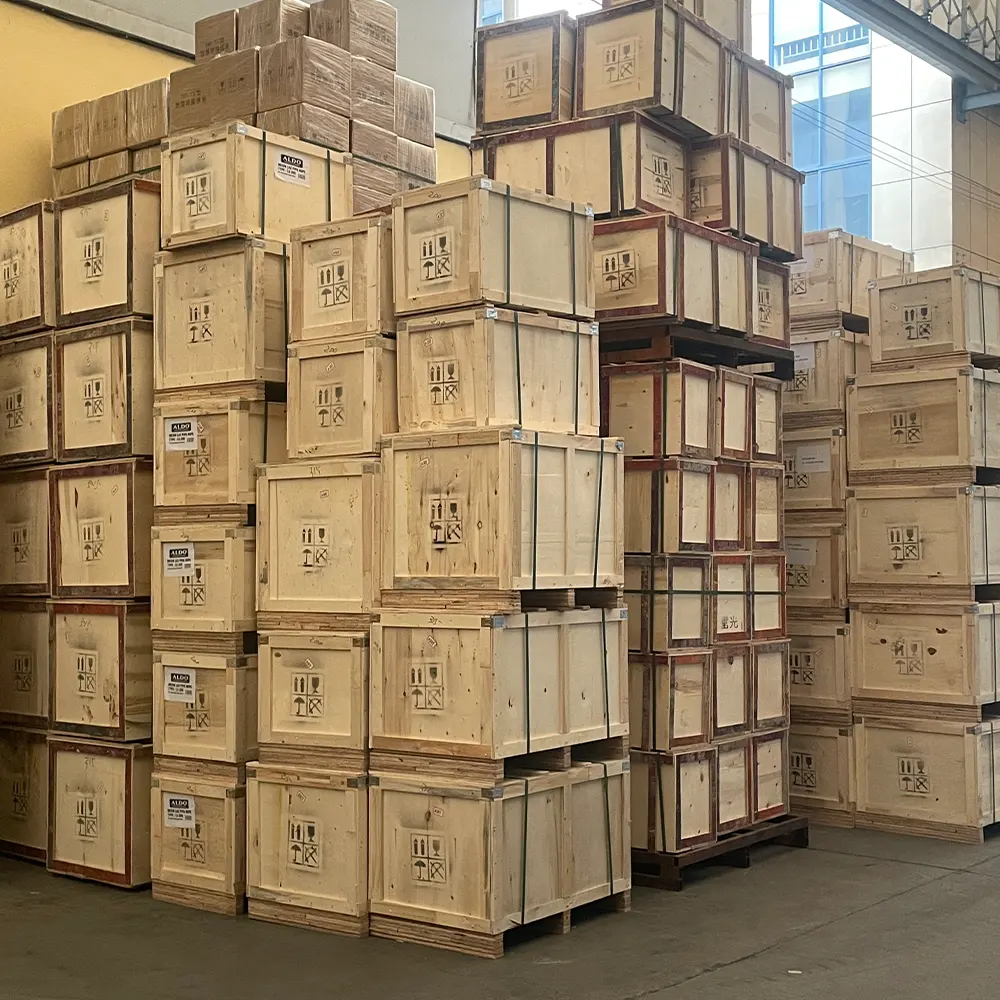
Key factors to evaluate when selecting a manufacturer
Look for suppliers that satisfy the following criteria:
- Product range — manual, hydraulic and automatic butt fusion machines plus electrofusion options.
- Quality & certifications — ISO/CE and compliance with HDPE welding standards.
- Local support — partner network or distributor access in Brazil for spare parts and service.
- Portability & durability — corrosion-resistant finishes and power options suitable for remote sites.
- Training & documentation — operator training and technical manuals (Portuguese preferred).
- Total cost of ownership — longevity, consumables availability and after-sales response time.
Top machine types Brazilians commonly use
| Machine Type | Typical Brazilian Applications | Common Pipe Size Range |
|---|---|---|
| Manual Butt Fusion | Rural water lines, irrigation, small municipal repairs | 20mm – 315mm |
| Hydraulic Butt Fusion | Medium/large distribution networks, industrial pipelines | 63mm – 1200mm+ |
| Automatic/CNC Butt Fusion | High-volume factory welding, large-diameter trunk lines | 160mm – 2000mm+ |
| Electrofusion | Gas distribution, repair works and fittings in urban systems | 20mm – 630mm |
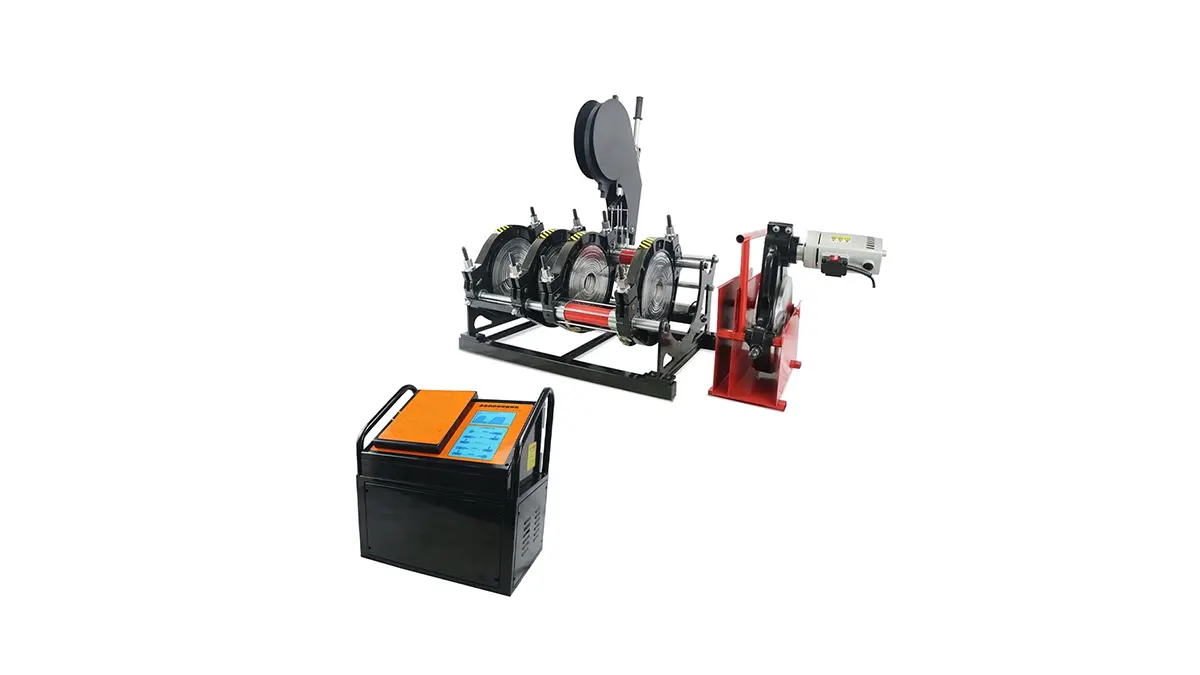
How to vet a pipe welding machine manufacturer
When evaluating suppliers, follow these practical steps:
- Request references from Brazilian projects or nearby Latin American customers.
- Ask for test certificates, welding procedure specifications and sample weld records.
- Verify spare parts lead time and shipping options to major Brazilian ports like Santos and Paranaguá.
- Confirm training availability and whether documentation is offered in Portuguese.
- Compare warranty terms and local repair services to reduce downtime on site.
Why choose JQ-Fusion as a partner
JQ-Fusion (https://jq-fusionwelding.com/) produces a wide selection of HDPE butt fusion machines—manual, hydraulic and CNC automatic models—designed for global infrastructure projects and customizable to local needs. Their focus on durable builds, spare parts availability and adaptable solutions makes them suitable for Brazilian contractors working across varied environments.
Local considerations for Brazilian buyers
Keep these Brazil-specific points in mind:
- Climate: choose corrosion-resistant finishes and equipment that copes with high humidity and heat.
- Logistics: plan shipments and customs clearance—large machines may require port handling and inland transport planning.
- Operator skills: schedule hands-on training sessions; locally trained teams reduce rework and weld failures.
- Regulatory environment: ensure compliance with local specifications for potable water and gas distribution.
- After-sales: prioritize suppliers who can provide fast spare-part shipping to Brazilian hubs or have regional partners.
Next step: shortlist manufacturers that match your project scale, request sample weld documentation and a local reference. For customized solutions and machine selection support, contact the manufacturer or an authorized distributor to arrange demos and on-site training.



