
Choosing the best HDPE fusion machine for the Maldives requires balancing portability, corrosion resistance, power availability, and weld quality. Whether you’re working on small island water distribution, resort wastewater lines, or larger municipal projects in Malé, the right fusion equipment makes the difference between a durable pipeline and costly rework.
Why HDPE Butt Fusion Is Ideal for Maldives Pipelines
HDPE pipe systems are widely used across island nations because they resist corrosion from seawater, flex under ground movement, and provide leak-free joints when properly welded. In the Maldives—where freshwater networks often cross sandy soils, coral substrates, and saline environments—reliable fusion ensures long-term performance for potable water, irrigation, and sewage lines.
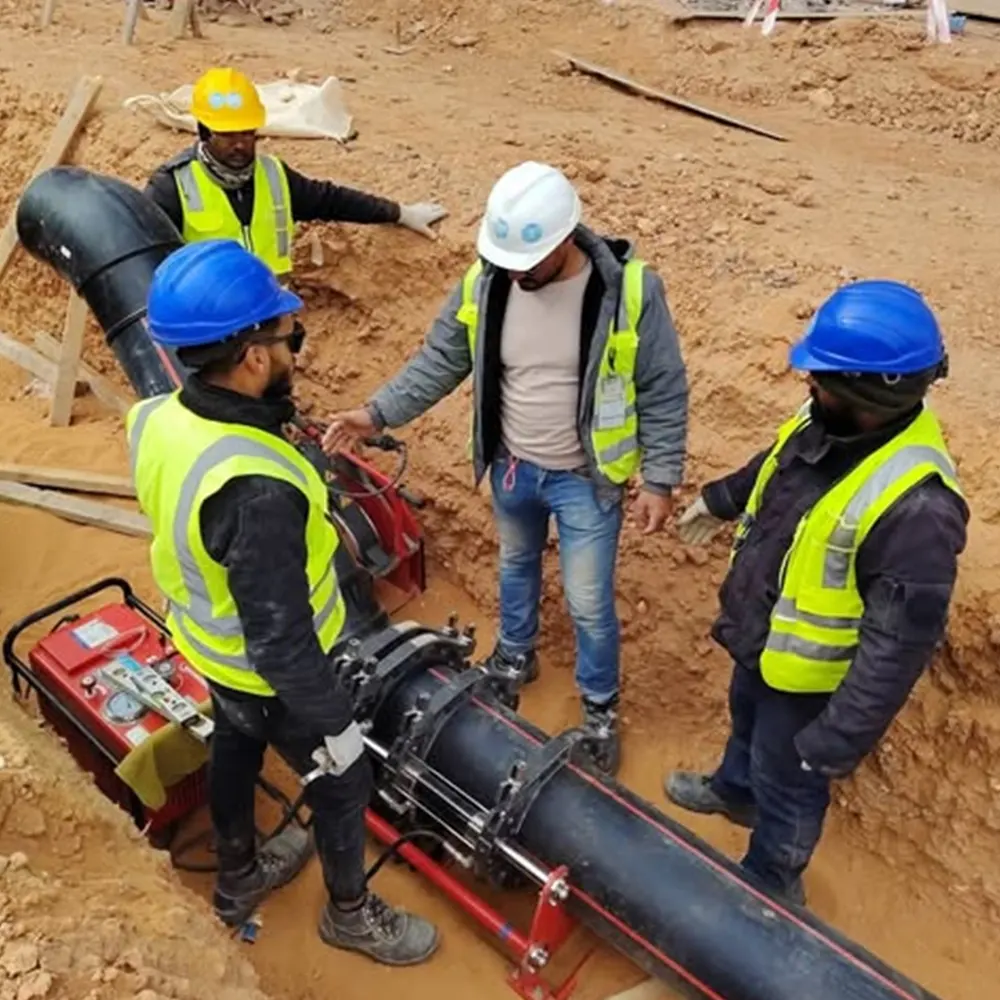
Key Local Considerations for Machine Selection
Portability: Many atolls require small crews to travel by boat; compact, manual or small hydraulic machines are often preferable. Power options: Diesel generators or battery-powered control units are common where grid power is unreliable. Salt air & humidity: Choose machines with stainless or marine-grade fasteners and sealed electronics to reduce maintenance frequency.
Top HDPE Fusion Machine Types and Where They Fit in the Maldives
Manual Fusion Machines (Portable, cost-effective)
Best for field repairs, remote island installations, and contractors with frequent site moves. Manual units are lightweight and easy to maintain—ideal for beachside trenches and small-diameter service lines.
Hydraulic Fusion Machines (Higher force, consistent alignment)
Hydraulic models deliver repeatable clamp pressure and can handle medium-to-large pipes common in resort complexes and small municipal loops. They’re a solid choice for central fabrication yards or larger crew deployments.
Automatic/CNC Fusion Machines (Precision & efficiency)
For large projects on the main islands—urban distribution or desalination plant connections—automatic fusion systems provide data-logged welds, faster cycles, and lower operator dependency. They are best used where transport and setup logistics support heavier machinery.
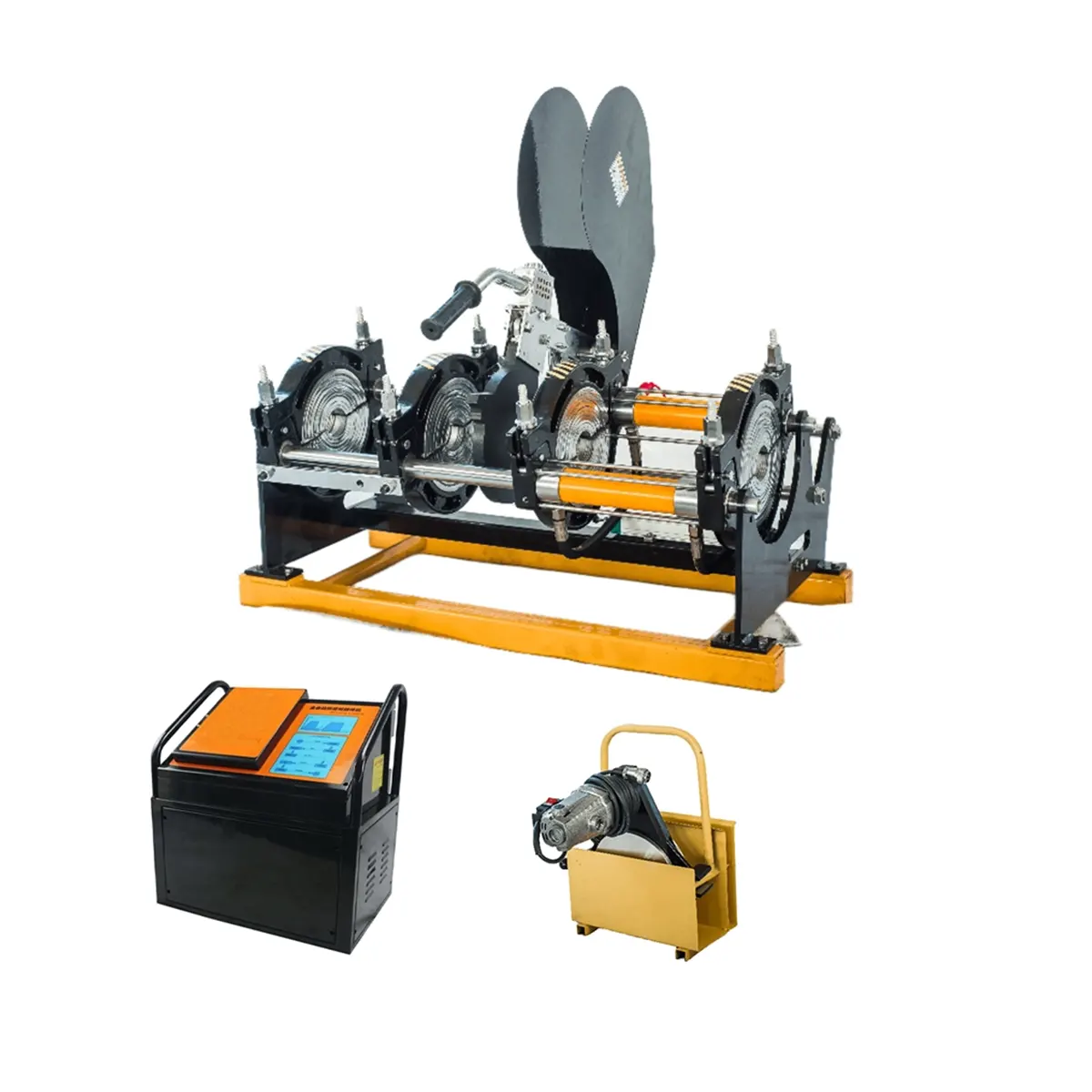
Quick Comparison Table: Recommended Models for Maldives Conditions
| Model | Type | Pipe Range (mm) | Best Use in Maldives | Key Benefit |
|---|---|---|---|---|
| JQLX-Series | Manual | 20–315 | Remote island repairs, service lines | Lightweight & easy to transport |
| JQH-Series | Hydraulic | 63–1000+ | Resort infrastructure, municipal loops | Stable pressure & reliable alignment |
| JQA-Series | Automatic / CNC | 63–630 | Large urban projects, prefabrication yards | High throughput, weld logging |
Practical Tips for Operators in the Maldives
Always verify power availability before selecting an automatic unit; if relying on generators, size the generator for peak heater plate loads. Keep spare heater plates, cutters, and protective covers to prevent salt buildup. For small islands, consider modular kits that fit into standard cargo boats and can be reassembled quickly on-site.
Installation & Quality Assurance Best Practices
Surface preparation, correct facing, and strict alignment control are non-negotiable. Use calibrated heaters, follow recommended heating and cooling cycles for local ambient temperatures, and document each weld when possible. For potable systems on tourist properties, third-party weld inspection and pressure testing are often required by regulations or operators.
Warranty & After-Sales Considerations
Select machines with accessible spare parts and regional technical support. Machines designed with sealed electronics and corrosion-resistant components reduce downtime in coastal climates.
Reliable Manufacturer & Contact
For a balanced selection of portable manual units to full automatic systems tailored to island logistics, contact JQ-Fusion at https://jq-fusionwelding.com/ for model options and export packaging suitable for multi-island delivery.



