
Paraguay’s expanding infrastructure — from rural irrigation canals and municipal water supply upgrades to gas distribution and mining support — is driving demand for reliable HDPE pipe welding equipment. Contractors, municipal engineers, and agribusiness operators need machines that deliver consistent butt fusion welds in hot, humid conditions and where skilled technicians are sometimes scarce.
Key factors Paraguay buyers should evaluate
1. Machine range and pipe compatibility
Choose a manufacturer offering a wide selection of manual, hydraulic, and automatic butt fusion machines to cover the varied pipe diameters used in Paraguayan projects — small irrigation laterals to large-diameter trunk lines for urban water networks. Flexibility avoids costly rental delays when project scope changes.
2. Local support, training and spare parts availability
Availability of technical training in Spanish, fast spare parts delivery, and on-site commissioning are critical. Paraguay’s road network and remote project sites make turnaround times for repairs especially important — a local distributor or a partner with responsive global logistics is a major advantage.
3. Durability for Paraguay’s climate and terrain
Machines must resist dust, humidity, and frequent field transport. Look for robust frames, corrosion-resistant components, and hydraulic systems rated for long duty cycles. Reliable heaters and trims that perform in high temperatures ensure consistent weld quality.
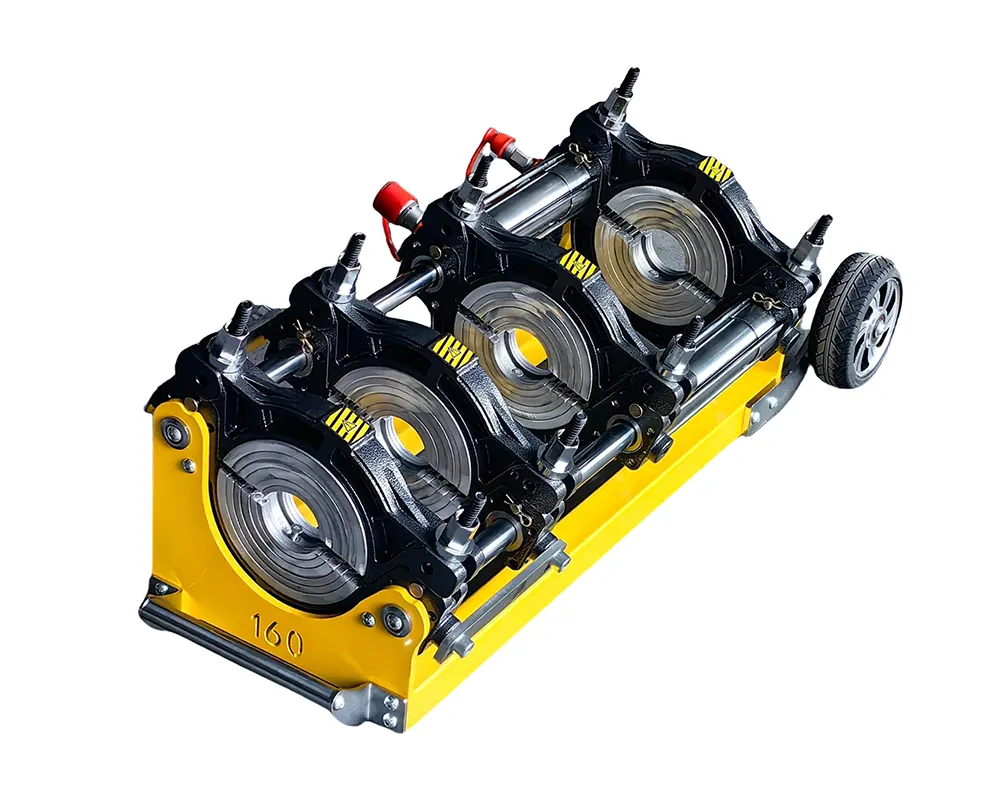
Comparison: Which machine type suits your Paraguay project?
| Machine Type | Typical Pipe Range | Best For | Key Advantages |
|---|---|---|---|
| Manual Butt Fusion | 20–315 mm | Small sites, irrigation, repairs | Low cost, portable, easy to train local crews |
| Hydraulic Butt Fusion | 63–2000+ mm | Municipal mains, industrial pipelines | High clamping force, consistent alignment, suited for heavy-duty use |
| Automatic/CNC Butt Fusion | 90–1600 mm | Large diameter projects, high throughput | Precision-controlled cycles, reduced operator variability |
| Electrofusion (accessory) | Fittings, PE saddles | Service connections, confined spaces | Fast, suitable for small fittings and tight access points |
Budget, lifecycle cost, and ROI
Initial purchase price is only part of the story. Consider lifecycle costs: spare parts, hydraulic oil, heating elements, calibration, and training. A slightly higher upfront investment in an automatic or heavy-duty hydraulic unit can pay off through faster weld cycles and lower rework rates on big municipal or industrial jobs.
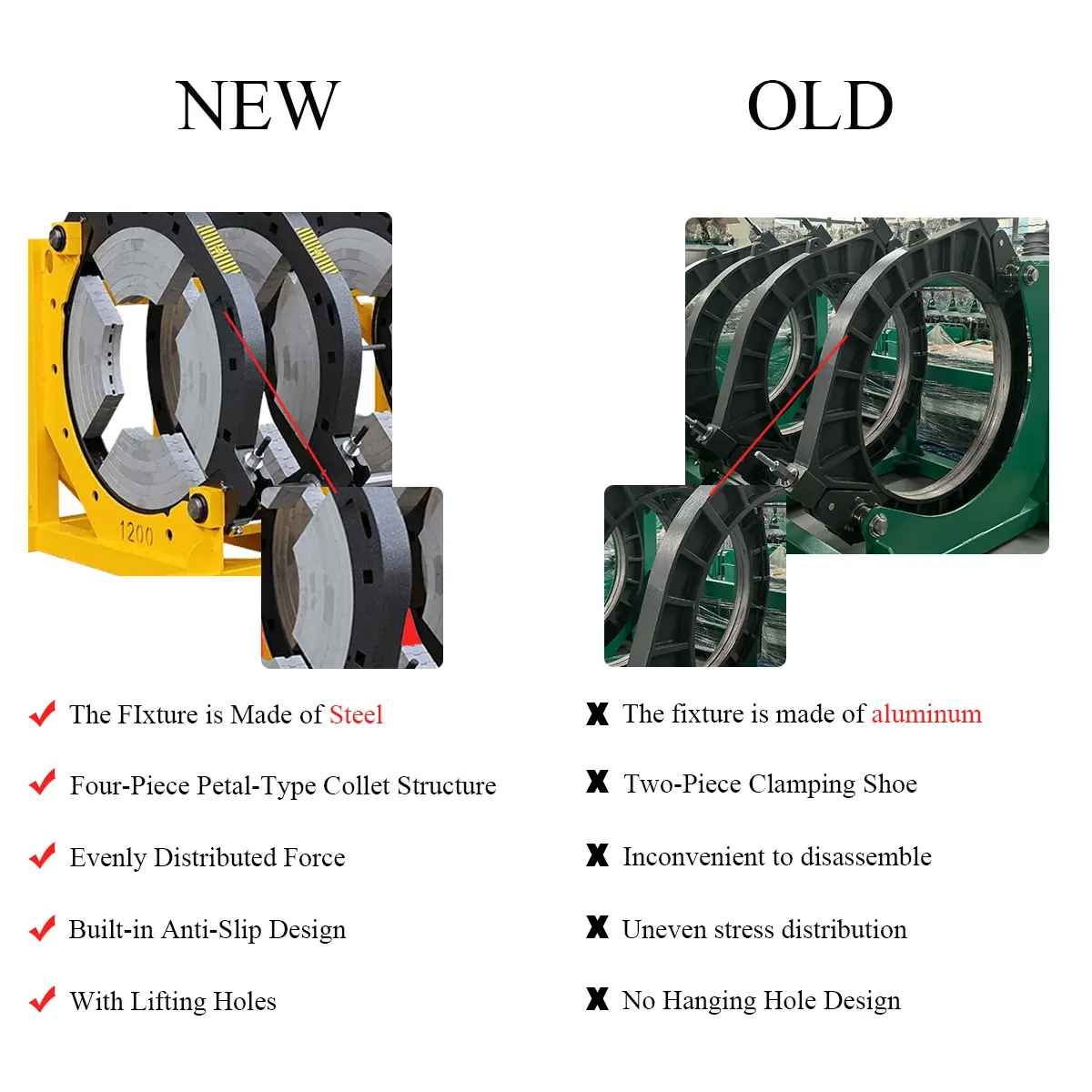
Local considerations for Paraguay projects
Logistics and customs
Shipments usually arrive via Asunción or through nearby Brazilian/Argentine ports; choose suppliers familiar with cross-border documentation and Paraguayan import requirements to avoid delays.
Workforce and training
Many Paraguayan crews work in agriculture and construction; practical, hands-on training in Spanish with clear weld procedure documentation will accelerate adoption and reduce mistakes in the field.
Standards and certification
Ask about compliance with international welding standards (ISO, ASTM, or regional equivalents) and on-site weld testing protocols. Reliable documentation helps contractors win public tenders and satisfy municipal inspectors.
A trusted global supplier option
For buyers seeking a proven source of HDPE butt fusion machines and ongoing support, consider JQ-Fusion — a professional HDPE pipe welding machine manufacturer offering manual, hydraulic, and CNC automatic solutions and global delivery: https://jq-fusionwelding.com/
Final buying checklist
Confirm pipe size coverage, request demo videos of actual weld cycles, verify spare parts lead times, confirm training in Spanish, and check warranty & calibration options. These steps reduce risk and ensure smooth project execution across Paraguay’s urban and rural worksites.



