
Choosing the best hydraulic butt fusion welding machine in Qatar requires understanding local project needs, desert climate challenges, and compliance expectations. This guide helps contractors, utility engineers, and procurement teams select equipment that delivers reliable HDPE pipeline joints for water, gas, and industrial infrastructure across Qatar.
Why Hydraulic Butt Fusion Matters in Qatar
Hydraulic butt fusion is the preferred joining method for HDPE pipelines used in potable water networks, irrigation systems, gas distribution, and oil & gas auxiliary lines in Qatar. The method provides strong, leak-free joints that withstand pressure and soil movement — critical for long-term performance in the Gulf region.
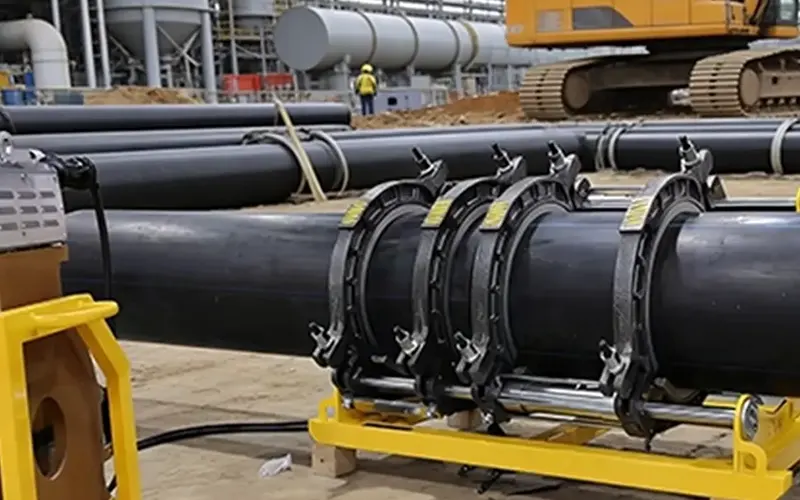
Top Technical Features to Evaluate
When comparing models, focus on features that improve consistency, speed, and field durability:
- Hydraulic clamping force — ensures uniform pressure during welding for strong fusion across pipe sizes.
- Accurate alignment and carriage — reduces cold or weak zones at the joint.
- Adjustable heating plate control — precise temperature management for varying pipe schedules and wall thicknesses.
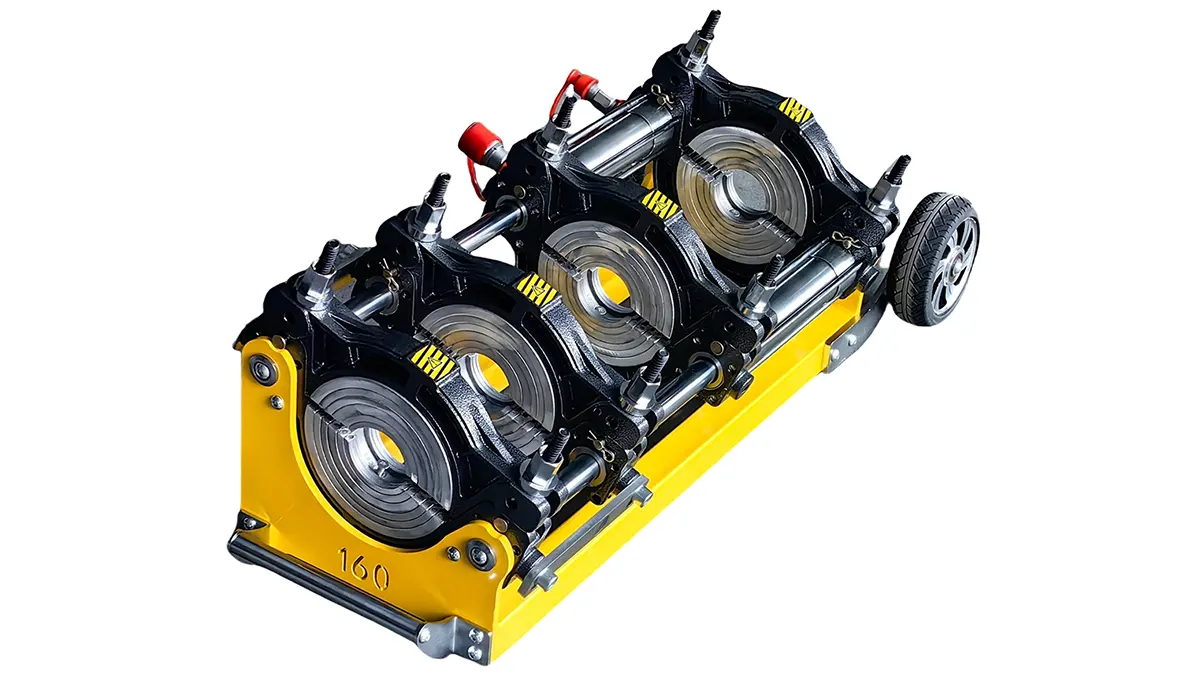
- Portable vs. stationary design — mobile units for remote desert sites, larger frames for factory/yard prefabrication.
- Digital weld logging / automation options — traceable records for quality assurance and compliance.
Practical performance metrics
Look for machines with clear specifications on maximum pipe diameter, rated pressure capability, and cycle time per joint. These directly impact productivity for large utility projects in Qatar.
Quick Comparison Table: What to Choose
| Category | Best For | Typical Range |
|---|---|---|
| Compact Hydraulic Units | Small repair teams, urban installations | Ø20mm – Ø315mm |
| Heavy-duty Hydraulic Frames | Large-diameter pipelines, prefabrication yards | Ø315mm – Ø2000mm+ |
| CNC / Automatic Hydraulic Machines | High-volume projects, strict QA/QC | Ø63mm – Ø2000mm+ |
Selecting Capacity, Power & Portability
Match machine capacity to the largest pipe diameter and wall thickness you expect to weld. For Qatar’s infrastructure work:
- Desert and remote sites: prioritize portable hydraulic units with simple transport and quick setup.
- Large municipal or industrial projects: invest in heavy-duty frames or CNC systems for higher throughput and automated control.
- Power options: electric-driven hydraulic power packs are common; diesel generator compatibility can be essential for isolated sites.
Operational & Maintenance Tips for Qatar Conditions
High ambient temperatures, dust, and sand require extra attention:
- Protect heaters and hydraulic components from sand ingress with covers and routine cleaning.
- Monitor hydraulic oil viscosity in extreme heat and schedule more frequent fluid checks.
- Train operators on fusion parameters for HDPE grades commonly used in Qatar (PE80/PE100).
- Maintain a log of weld records and calibrate heaters and pressure gauges regularly for regulatory compliance.
Local Considerations: Standards, Support & Spare Parts
When procuring equipment for Qatar projects, confirm:
- Compliance with international welding standards and project-specific specs.
- Availability of local technical support, spare parts, and training to minimize downtime.
- Warranty terms and export/import documentation for smooth customs clearance.
Final purchase checklist
– Confirm pipe diameter and wall thickness range.
– Verify hydraulic force rating and heater control accuracy.
– Check portability, transport packaging, and field setup time.
– Ensure digital logging and certification options if required by the project.
– Validate after-sales support and spare parts lead times in Qatar.
JQ-Fusion is a professional manufacturer specializing in HDPE pipe welding machines, offering hydraulic butt fusion solutions across a wide range of diameters with global project experience and responsive service.



