
When a pipeline project depends on speed, welding quality, and long-term reliability, choosing the right distributor is just as important as choosing the right machine. A strong distributor does more than sell equipment. They help you match the right product to the right pipe size, support your operators, reduce downtime, and keep your project moving from planning to final commissioning.
For contractors, project managers, and purchasing teams, the best choice is usually a distributor that understands both the technical side of pipe welding and the practical side of project delivery. That means they should offer dependable product quality, stable supply, clear technical guidance, and the ability to respond quickly when project conditions change. In global pipeline work, these factors can determine whether a project stays on schedule or faces costly delays.
One of the most important things to look for is industry experience. A distributor with deep knowledge of HDPE pipe welding equipment can help you avoid common mistakes such as selecting the wrong clamp range, choosing an unsuitable power setup, or underestimating the welding capacity needed for a large site. This is why many buyers prefer working with manufacturers and distributors that specialize in pipeline applications rather than general industrial sellers.
JQ-Fusion is one example of a professional partner in this field. With over 20 years of experience in HDPE pipe welding machines, the company focuses on manual, hydraulic, and CNC automatic solutions for a wide range of pipeline projects. Its equipment supports water supply systems, gas distribution networks, mining operations, and industrial installations worldwide. For buyers searching for a reliable butt fusion machine, this kind of specialization can be a major advantage.
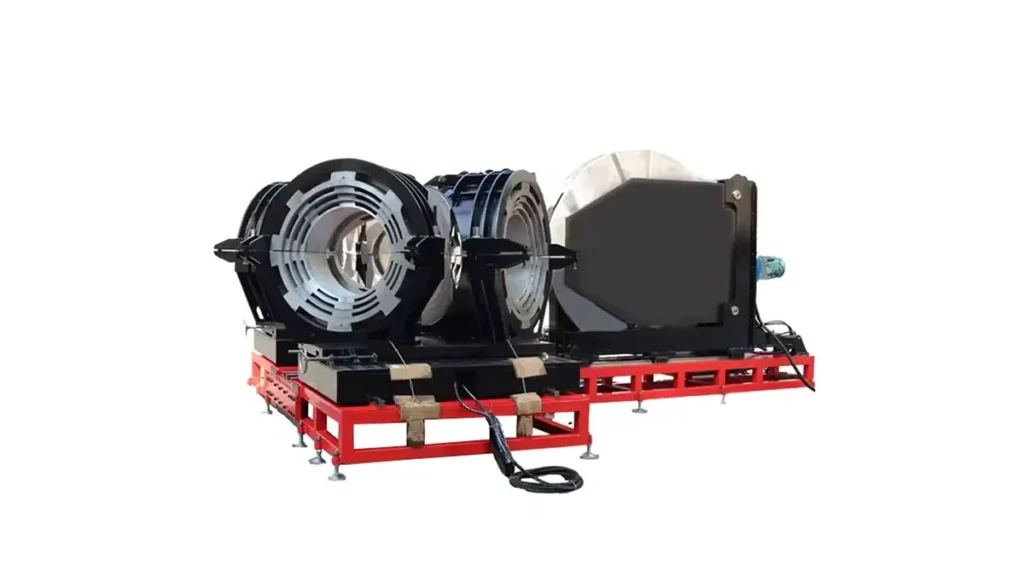
Another major factor is product range. A distributor that only provides one basic model may not be able to support different project stages or different pipe diameters. In contrast, a strong supplier can offer a full lineup that includes hydraulic butt fusion welding machine options, automatic butt fusion welding machine solutions, electrofusion equipment, and multi-angle pipe fitting welding machine systems. This makes procurement easier and gives you more flexibility when your project requirements evolve.
Key point: The best distributors do not simply deliver machines. They deliver project-ready solutions that match the pipe diameter, material, voltage requirement, worksite condition, and operator skill level.
Quality control is another area where the best distributors stand out. In pipeline welding, even small performance issues can affect joint integrity. A reliable distributor should be able to explain how their machines are tested before shipment. For example, temperature accuracy, hydraulic pressure stability, and clamp alignment inspections are essential checks that support consistent welding results in real project conditions.
When evaluating a distributor, ask whether the equipment complies with international standards and whether certification is available. Products certified by SGS or similar recognized bodies provide additional confidence for buyers working on public infrastructure, cross-border projects, or engineering contracts with strict documentation requirements. Certification also supports smoother procurement approval and can reduce risk during project audits.
Look for these indicators of a high-quality distributor:
✔ Clear technical documentation and model recommendations
✔ Stable supply for both small and bulk orders
✔ Fast response from sales and technical teams
✔ Customization options for branding, voltage, and machine design
✔ After-sales service, training, and spare part support
Customization is especially important for distributors serving international markets. Different countries and regions may require different voltages, branding standards, operating environments, or color preferences. A distributor with strong OEM and ODM capability can help you build your own market position while delivering equipment that fits the exact needs of your customers or project teams.
JQ-Fusion emphasizes flexible OEM and ODM customization, including machine size, voltage, appearance, branding, and project-specific configuration. This matters because no two pipeline projects are exactly alike. A mining project in a harsh environment may need a different setup than a municipal water supply project. A distributor that can adapt quickly gives you a practical competitive edge.
Supply stability is another essential factor. Even the best machine is of limited value if it cannot be delivered on time. Delays in welding equipment can delay the entire pipeline schedule, especially when crews are waiting on site. That is why distributors with strong inventory management and fast shipping capability are often preferred by experienced buyers. Ready stock and efficient logistics can save both time and money.
Some distributors also support large-scale project planning by helping customers choose the right machine according to pipe size and operational demand. For example, a small-diameter line may only require a compact manual or hydraulic model, while a large industrial project may need a CNC automatic machine for higher precision and productivity. Matching the equipment to the project prevents overbuying, underperforming, and unnecessary complexity.
Why this matters: A distributor with strong engineering support can help reduce installation errors, improve weld consistency, and improve the overall efficiency of the pipeline crew.
Technical support should never be treated as an optional extra. The best distributors help from the first inquiry through installation and after-sales service. They should be able to answer questions about setup, training, maintenance, and welding procedures. This support is particularly valuable for teams that are working in remote locations or on projects with tight deadlines and limited access to local service providers.
JQ-Fusion’s global support approach reflects this need. The company provides fast response, professional technical guidance, and efficient logistics support for customers around the world. For distributors and contractors alike, this kind of service can reduce project risk and improve confidence in every phase of the purchase cycle.
It is also wise to consider the manufacturer behind the distributor. In many cases, the strongest distributors work closely with specialized manufacturers that have modern production lines, precision machining equipment, and a strict quality management process. This relationship is important because it helps ensure product consistency, spare part availability, and long-term reliability.
Manufacturing capability matters because pipeline projects often need equipment that performs well under demanding conditions. A factory with strong engineering resources can produce machines with stable performance, durable components, and reliable operation across different environments. That is especially important for projects in water networks, gas systems, and industrial sites where failure is not an option.
Another sign of a good distributor is transparency. They should be able to explain what makes their products different, how the machines are tested, how inventory is managed, and what kind of post-sales support is available. They should also be open about delivery timelines and customization lead times. Clear communication builds trust and helps you plan project resources more accurately.
When comparing distributors, ask these questions:
1. Do they specialize in pipeline welding equipment?
2. Can they support different pipe diameters and project types?
3. Do they offer OEM/ODM customization?
4. Is there evidence of quality testing and certification?
5. Can they deliver quickly and support after-sales service?
In practical terms, the best pipeline welding equipment distributors are the ones that lower your total project cost, not just your purchase price. A low-cost machine from an unreliable source can create expensive problems later through poor weld quality, delays, or maintenance issues. By contrast, a trusted supplier helps protect productivity, improve safety, and extend the service life of your investment.
That is why many buyers prefer suppliers with proven international experience. A company that has supported global projects is more likely to understand export requirements, shipping procedures, documentation needs, and the different expectations of contractors in multiple regions. This experience can make your purchasing process smoother and reduce the chances of avoidable mistakes.
For buyers seeking a reliable partner, JQ-Fusion offers a comprehensive product range, strict quality assurance, strong OEM and ODM capability, and responsive global support. Its focus on stable welding performance and customized solutions makes it suitable for distributors who want to build a trusted brand in their own market. If your project requires dependable pipeline welding tools, working with a specialized supplier can make a noticeable difference.
Ultimately, the best distributor is the one that aligns with your project goals. If your priority is speed, choose a supplier with inventory and logistics strength. If your priority is precision, choose a partner with advanced manufacturing and testing capability. If your priority is market growth, choose a company that supports customization and branding. The right match can improve efficiency from the first weld to the last.
In short: The best pipeline welding equipment distributors combine expertise, reliable supply, tested quality, technical support, and flexible customization. Those are the qualities that help projects succeed in the real world.
Frequently Asked Questions
1. What should I look for in a pipeline welding equipment distributor?
Look for industry experience, product range, certification, customization capability, technical support, and stable delivery performance.
2. Why is OEM and ODM support important?
It allows distributors and buyers to customize voltage, size, branding, and configuration to match local market needs and project requirements.
3. How can I check if a distributor is reliable?
Review their quality testing process, customer support, certifications, delivery capability, and whether they have proven experience in global projects.
4. Is after-sales service really necessary?
Yes. Training, installation guidance, spare parts, and technical support can significantly reduce downtime and improve long-term equipment performance.
5. Why choose a specialized manufacturer-backed distributor?
Because they usually offer better product knowledge, stronger quality control, more consistent supply, and more practical support for complex pipeline projects.



