
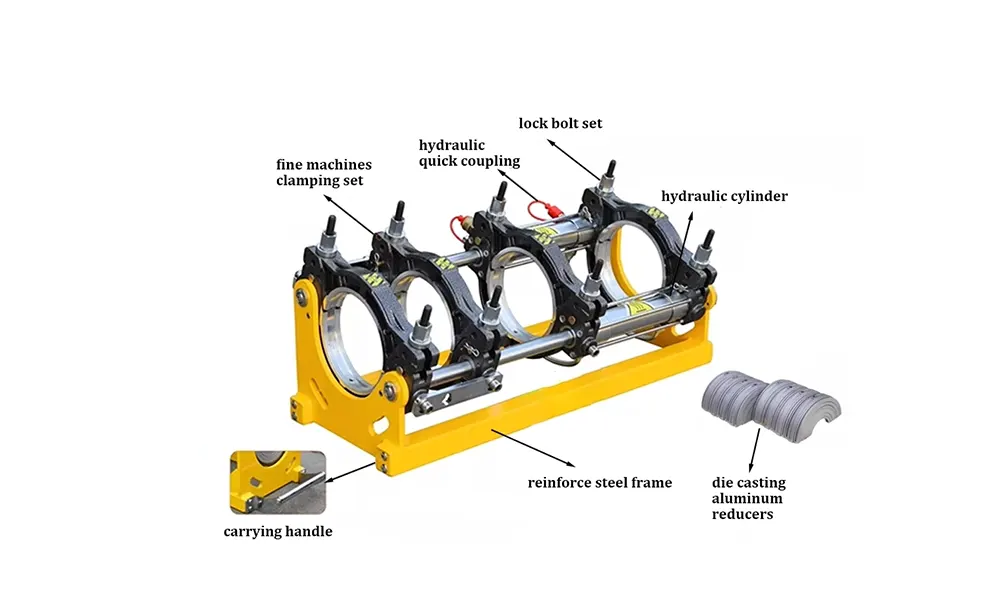
When people first enter pipe welding, they often hear a long list of unfamiliar words and assume they need years of field experience to understand them. In reality, a clear pipe welding glossary can help beginners move faster, avoid mistakes, and communicate more confidently with operators, supervisors, and suppliers. Whether you are learning for construction, water supply, gas distribution, mining, or industrial piping, the basic vocabulary is the first step toward safer and more accurate work.
Pipe welding is not only about joining two pipes together. It involves material selection, machine settings, alignment, heating, pressure, cooling, and quality checks. Each step has its own terms, and each term tells you something important about how the weld is made and how strong it will be. For example, if you understand words like fusion time, bead size, or clamp alignment, you can better understand the process and identify problems early.
Why a Pipe Welding Glossary Matters
For beginners, the glossary is more than a list of definitions. It is a practical learning tool that helps you build confidence and reduce errors on the job. In many projects, people from different backgrounds work together: operators, engineers, inspectors, and purchasing teams. If everyone uses the same technical language, the workflow becomes smoother and safer.
It also helps when choosing equipment. A contractor looking for a butt fusion machine must understand terms such as heating plate temperature, hydraulic pressure, and pipe diameter range. These words are not only technical details; they determine whether the machine is suitable for the project.
★ Key idea: If you can understand the common pipe welding terms, you can read manuals faster, communicate more clearly, and avoid costly setup mistakes.
Basic Terms Every Beginner Should Know
Pipe diameter refers to the size of the pipe, usually measured in millimeters or inches. It is one of the first things you must know before selecting equipment or setting up a weld. Larger diameters usually require stronger machines and more careful alignment.
Wall thickness is the thickness of the pipe wall. It affects heating time, fusion time, and pressure requirements. Thicker walls usually need longer heating and more controlled welding conditions.
Butt fusion is a common joining method for thermoplastic pipes, especially HDPE pipes. Two pipe ends are heated and then pressed together to form one continuous pipe. This method is widely used in water and gas projects because it creates a strong and reliable joint.
Heating plate is the heated tool used to soften pipe ends before fusion. In many projects, stable heating plate temperature is essential because uneven heat can weaken the joint.
Fusion pressure is the force applied during joining. Too little pressure can produce a weak weld, while too much pressure may distort the pipe. Good operators learn to control it accurately.
Cooling time is the period after fusion when the joint must remain undisturbed. It is easy for beginners to overlook this term, but cooling time is critical because moving the pipe too early can ruin the weld.
Terms Related to Equipment and Machine Setup
Clamp alignment means placing the pipes correctly in the machine so both ends line up evenly. Poor alignment can cause gaps, weak joints, or stress in the final pipeline.
Hydraulic unit is the part of the machine that controls movement and pressure. In hydraulic butt fusion systems, this unit helps apply stable force throughout the welding cycle.
Control panel is where the operator sets and monitors key parameters. On advanced machines, the panel may display temperature, pressure, timing, and fault alerts.
Reducer inserts are accessories used to fit different pipe sizes into the machine clamps. Beginners should know this term because machine versatility often depends on these inserts.
Facing tool is used to trim and smooth pipe ends before heating. A clean, even face helps the pipes contact properly and improves weld quality.
⚠ Tip: Before starting any weld, check pipe alignment, facing quality, and machine stability. These three steps prevent many common failures.
Important Welding Process Terms
Bead is the raised ring of fused material that forms around the pipe joint. A uniform bead often suggests a stable and properly executed weld, though it should always be checked with other quality criteria.
Bead size refers to the shape and thickness of that raised ring. Uneven bead size may indicate inconsistent temperature, pressure, or alignment.
Heat soak time is the period when pipe ends absorb heat from the heating plate before fusion. If this time is too short, the pipe may not soften enough; if too long, the material may overheat.
Changeover time is the time between removing the heating plate and bringing the pipe ends together. This stage must be quick and controlled, because the pipe ends begin to cool immediately.
Joint integrity describes the overall strength and reliability of the welded connection. It is influenced by every step of the process, from preparation to final cooling.
Weld cycle means the complete sequence from setup to finished joint. Different machines may have manual, hydraulic, or automatic weld cycles, but the purpose is always the same: produce a consistent weld.
Quality and Inspection Vocabulary
Visual inspection means checking the weld with the eyes for obvious defects such as misalignment, contamination, or uneven bead formation. It is usually the first quality step.
Non-destructive testing, often called NDT, refers to inspection methods that do not damage the pipe. Depending on the project, this may include ultrasonic testing or other specialized checks.
Acceptance criteria are the standards a weld must meet to pass inspection. These criteria may be based on project specifications, industry standards, or client requirements.
Defect means a problem in the weld, such as contamination, voids, weak fusion, or wrong pressure application. Beginners should learn to recognize common defects early.
Traceability is the ability to track which machine, operator, settings, and materials were used for a specific weld. This is especially important on large projects where quality records matter.
➤ Remember: A good weld is not judged by one single sign. It depends on correct preparation, accurate temperature, stable pressure, and proper cooling.
Material and Application Terms
HDPE stands for high-density polyethylene. It is one of the most common materials used in plastic pipe welding because it is durable, flexible, and resistant to corrosion.
Thermoplastic refers to a material that softens when heated and hardens when cooled. Butt fusion works because thermoplastic pipes can be re-melted and fused together.
Pressure pipe is a pipe used to carry liquids or gas under pressure. These systems need reliable welds because failure can lead to leakage or downtime.
Pipeline project is a broad term covering water, gas, mining, and industrial installations. Each project may have slightly different welding requirements, but the glossary terms remain useful across all of them.
Electrofusion is another joining method used for plastic pipes. Instead of heating the pipe ends directly, it uses electric current and special fittings. Beginners often compare it with butt fusion, so it helps to know both terms.
How These Terms Help You in Real Work
In a real worksite, these words help you make faster decisions. If a supervisor says the changeover time is too long, you know the risk is heat loss. If an inspector says the bead size looks uneven, you know the problem may be pressure or alignment. If an engineer asks about pipe diameter and wall thickness, you understand they are selecting the right machine and procedure.
For buyers and distributors, glossary knowledge is also valuable when evaluating equipment suppliers. A professional manufacturer should be able to explain how its machines support different pipe sizes, welding methods, and quality requirements. Companies with experience in global pipeline projects often offer manual, hydraulic, and CNC automatic systems, along with support for customization, logistics, and technical training.
That is why buyers should pay attention not only to price, but also to technical clarity. A supplier who can explain terms properly is often better prepared to support the real needs of a project.
💡 Practical note: When learning pipe welding, write the terms next to your machine manual. Repeating the vocabulary while working is one of the fastest ways to remember it.
Beginner Learning Strategy
A simple way to learn is to group the glossary into four parts: machine terms, process terms, quality terms, and material terms. This makes the list easier to remember than trying to learn everything randomly. Start with the terms you hear most often on site, then expand to the more advanced words used in manuals and inspection reports.
It is also useful to connect each term with a real action. For example, facing tool means preparing the pipe end, heating plate means softening the material, and cooling time means waiting before moving the pipe. When words are linked to actions, they become much easier to understand.
Another smart step is to watch how experienced welders speak. They often use short, practical language. Pay attention to how they describe pressure, timing, bead appearance, and alignment. You will notice that the glossary is not separate from the job; it is part of the job.
Frequently Asked Questions
Q1: What is the most important pipe welding term for beginners?
A1: Terms like butt fusion, pipe diameter, heating plate, alignment, and cooling time are the most important because they appear in almost every basic welding task.
Q2: Is butt fusion the same as electrofusion?
A2: No. Butt fusion joins heated pipe ends directly, while electrofusion uses special fittings with embedded heating elements.
Q3: Why does alignment matter so much?
A3: Poor alignment can cause uneven stress, weak bonding, and visible defects in the final weld.
Q4: How can I learn pipe welding vocabulary faster?
A4: Group the terms by function, connect them to real work actions, and review them while reading manuals or observing welding operations.
Q5: Do I need to know all the terms before starting work?
A5: No. Begin with the most common terms used in your project, then build your vocabulary step by step as your practical experience grows.



