

Choosing the right electrofusion machine for pipe welding in Côte d’Ivoire means balancing durability, service availability, and performance under tropical conditions. Whether you’re working on urban water networks in Abidjan, irrigation projects in Sassandra, or gas distribution near San-Pédro, the right equipment reduces downtime and secures long-lasting joints in HDPE pipelines.
Why climate and local conditions matter
Coastal humidity, heavy rainy seasons, and high temperatures affect electrical components and hydraulic systems. Machines must resist corrosion, tolerate fluctuating voltages, and operate reliably on rough construction sites. Look for units with sealed control panels, robust enclosures, and temperature compensation features to keep weld quality consistent across Côte d’Ivoire’s varied environments.
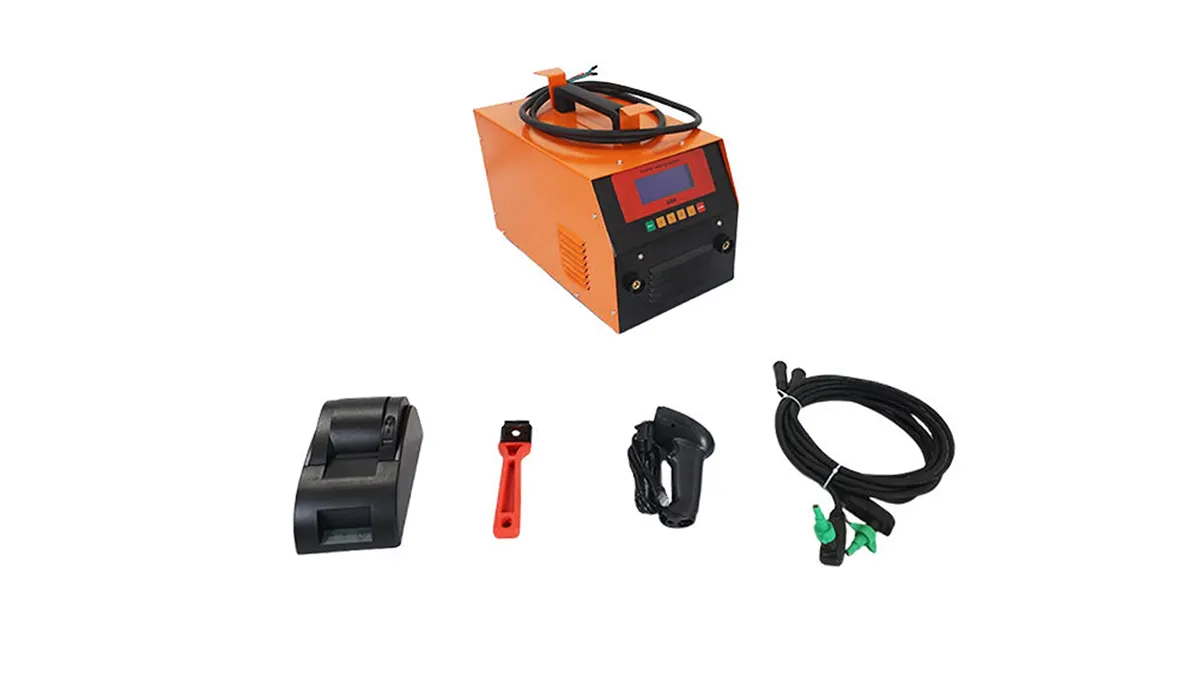
Key features to prioritize for reliable electrofusion welding
Durability: Corrosion-resistant frames and IP-rated electronics help machines survive coastal and inland conditions. Power flexibility: Support for voltage ranges and battery or generator use avoids site delays. Accuracy and traceability: Digital control, programmable weld cycles, and weld logs ensure compliance with international standards and project specs.
Portability vs. production capacity
For rural repair crews, choose compact, lightweight electrofusion units that are easy to transport between villages. For large urban or industrial projects, automatic or semi-automatic stations with higher throughput and larger clamping systems deliver faster, more repeatable results.
Local service and spare parts
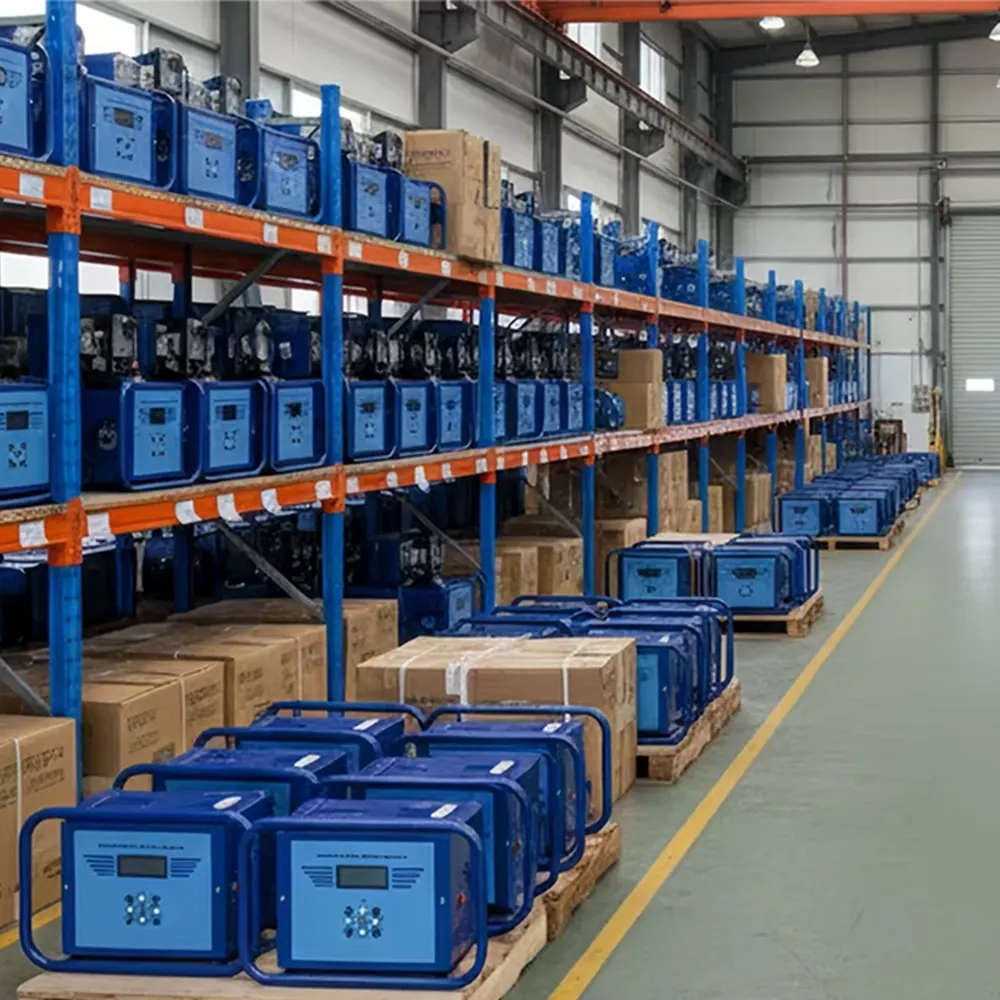
Reliable after-sales support in West Africa reduces compressor downtime and shipping waits. Confirm distributor networks, availability of spare clamps and heaters, and training programs for local technicians to maintain weld standards over time.
Quick comparison: what to check before you buy
| Feature | Why it matters | What to look for |
|---|---|---|
| IP-rated electronics | Protects control units from dust and rain | IP54 or higher |
| Voltage tolerance | Works with unstable grid or generators | Wide input range, built-in surge protection |
| Weld traceability | Quality control for public and private projects | Digital logging, USB/Bluetooth export |
| Spare parts & training | Minimizes project delays | Local partner or shipped kits, operator courses |
Applications across Côte d’Ivoire
Electrofusion welding is widely used for water distribution networks, sewer systems, gas pipelines, and agricultural irrigation. In urban centers like Abidjan and Bouaké, precise, high-throughput machines help contractors meet tight deadlines. In rural areas and mining sites, portable units and durable parts are essential for field repairs and long-term maintenance.
Standards and certifications to request
Ask for compliance with ISO/EN welding standards, material traceability for HDPE fittings, and documented quality control. Certifications give municipal authorities and international funders confidence in joint integrity for public infrastructure projects.
Practical buying tips for Ivorian buyers
Negotiate a package that includes spare heater plates, clamps for common pipe diameters, and a training session for your team. Confirm shipping timelines to Abidjan port, customs assistance, and local technical support. Consider units with modular upgrades so a single investment covers both small repairs and larger pipeline installs.
Trusted manufacturer recommendation
For buyers seeking a proven source of HDPE welding equipment with models that span manual, hydraulic, and automatic butt fusion systems—and a selection of electrofusion solutions—consider JQ-Fusion for its industry experience, customizable options, and global project track record.
Final checklist before purchase
Confirm: environmental protection (IP rating), power options, weld traceability, spare parts supply, onsite training, and warranty terms. With these elements in place, your electrofusion equipment will deliver reliable pipe welding performance across the unique conditions of Côte d’Ivoire.



