
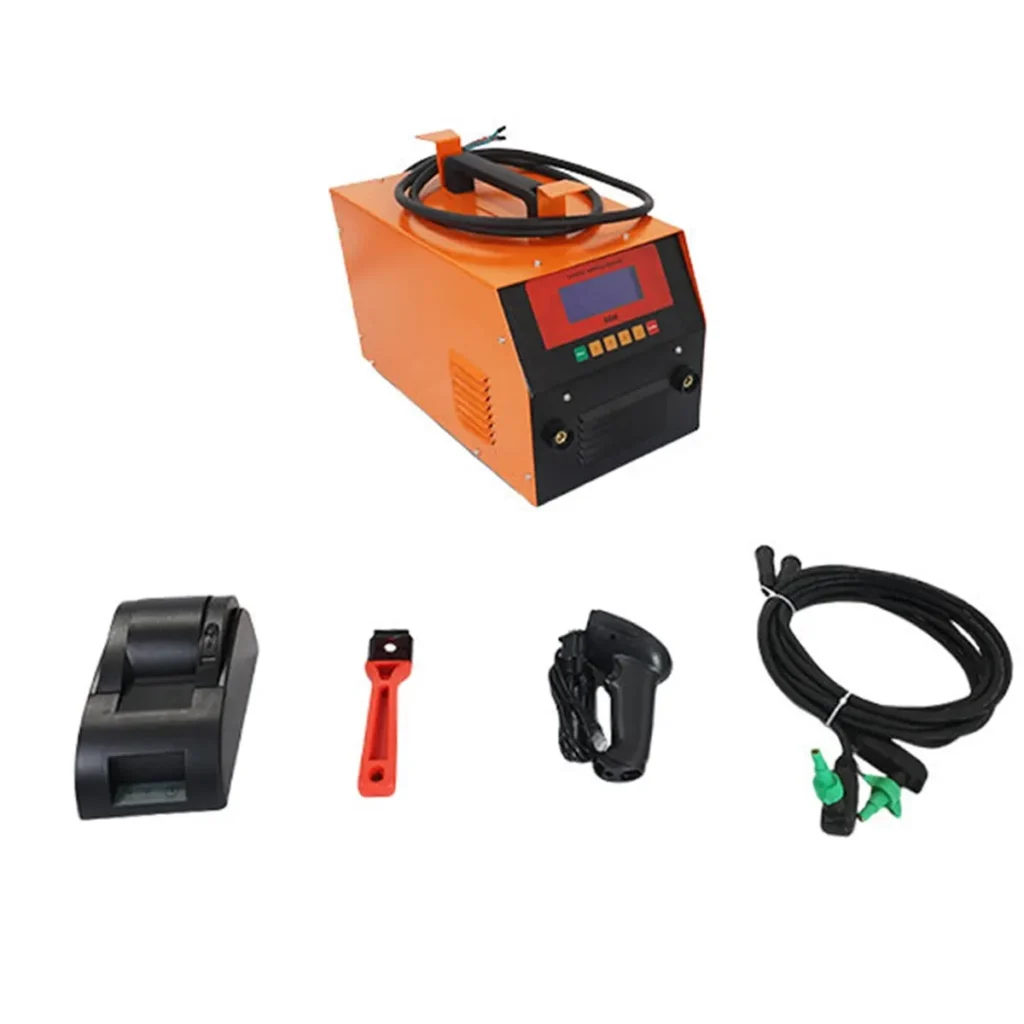
Electrofusion welding has become the go-to method for joining HDPE water pipelines where reliability, leak resistance, and long-term performance matter. This guide explains how electrofusion water pipeline welding machines work, when to choose them over butt fusion, the essential workflow, troubleshooting tips, and purchasing considerations to help contractors and engineers make confident decisions.
What Is Electrofusion Welding?
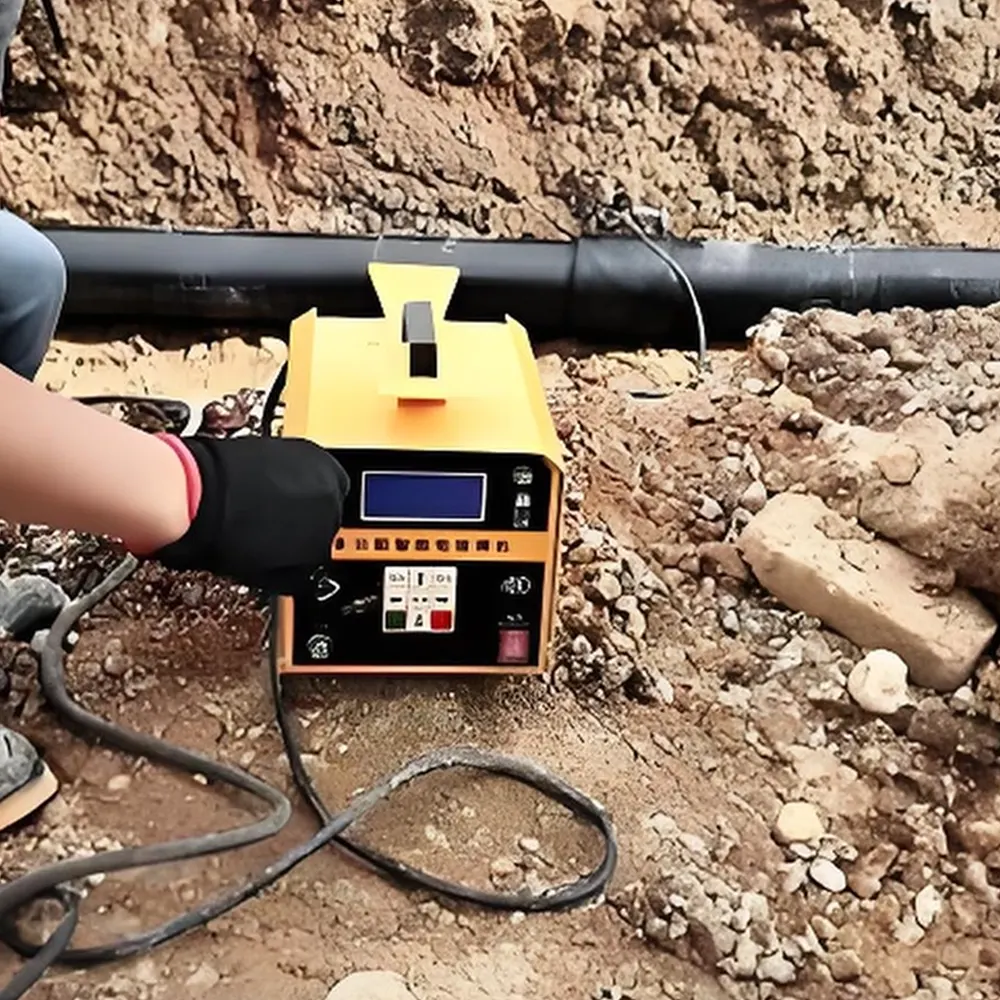
Electrofusion uses specialized fittings with embedded resistance coils. When the fitting is clamped to HDPE pipes and a controlled electrical current is applied, the coils heat the fitting and fuse it to the pipe, forming a durable homogenous joint. This method is especially effective for repair work, tight spaces, and complex networks in water distribution systems.
Key Benefits for Water Pipeline Projects
Electrofusion offers several advantages that make it ideal for municipal and rural water networks:
- Leak-tight joints: Fusion creates continuous polymer bonds, minimizing infiltration and exfiltration risks.
- Reliable in constrained spaces: Ideal where long butt fusion shackles or heating plates can’t fit.
- Fast repairs with minimal excavation and reduced downtime.
- High resistance to corrosion and chemical degradation compared to mechanical fittings.
Main Components of an Electrofusion System
An electrofusion setup typically includes:
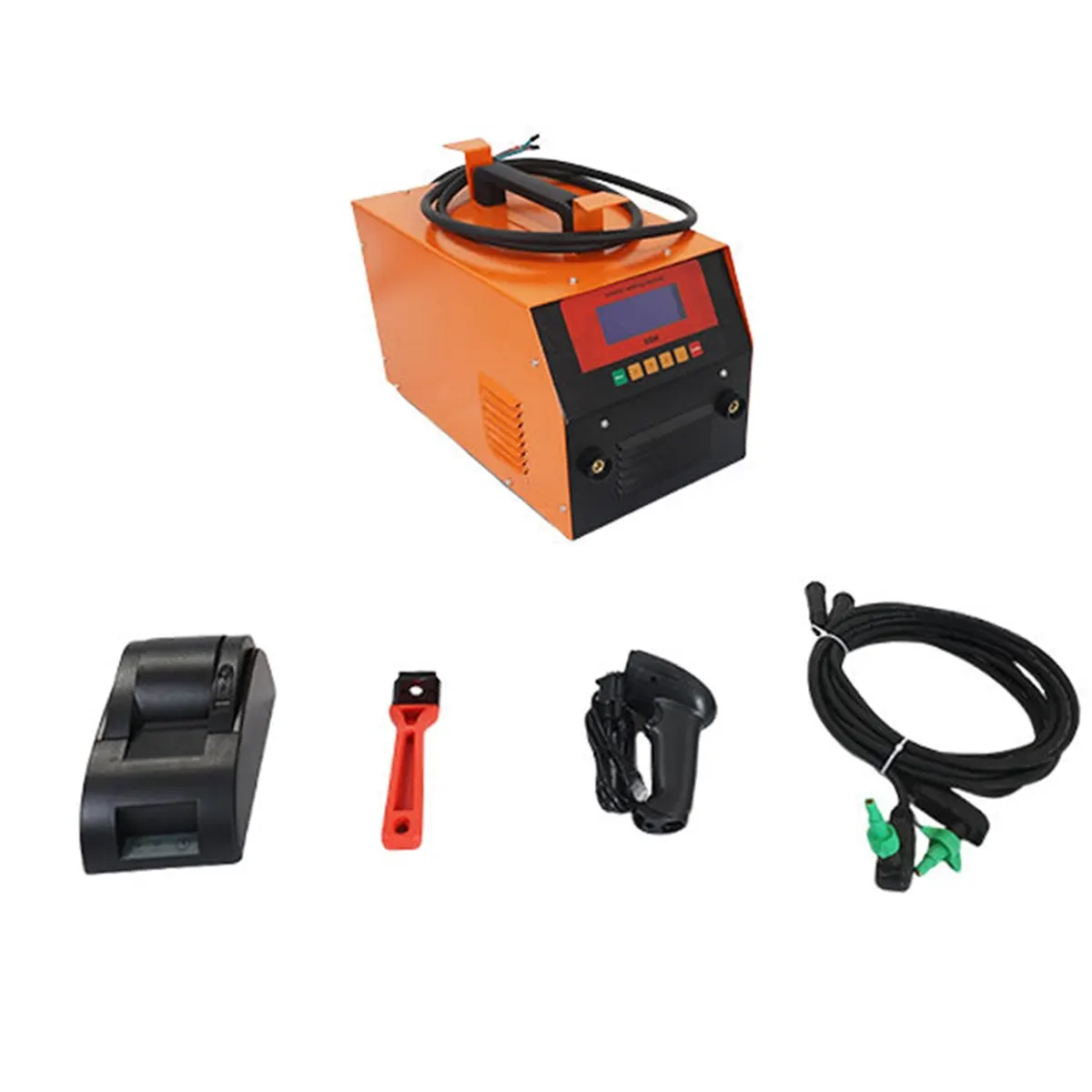
- Electrofusion control unit (machine) with programmable welding profiles.
- Clamping and alignment tools for pipe and fitting stabilization.
- Electrofusion fittings with embedded heating coils.
- Cleaning and preparation tools (scrapers, brushes, isopropyl wipes).
Step-by-Step Electrofusion Procedure
Following a standardized workflow ensures consistent weld quality across installations:
1. Preparation
Cut the pipe squarely, deburr, and mark insertion depth. Clean the pipe and fitting surfaces thoroughly. Correct surface prep is critical to prevent failures.
2. Alignment and Clamping
Use the correct clamps to hold the fitting and pipe in alignment without movement. Check insertion depth markings before starting the weld cycle.
3. Machine Setup and Weld Execution
Enter the fitting code or select the profile on the electrofusion machine. Start the cycle — the unit will control current and time to heat the fitting uniformly. Allow the cooling phase to complete before removing clamps.
Common Welding Parameters & Guidance
Electrofusion machines vary by model, but meaningful parameters include coil resistance, weld current, time, and cooling duration. Modern units store profiles and log weld data for traceability — a key compliance and QA advantage.
| Parameter | Typical Range | Notes |
|---|---|---|
| Weld Current | A few to tens of amps | Depends on fitting size & coil |
| Weld Time | 10s–300s | Follow fitting spec |
| Cooling Time | 2–20 minutes | Essential for joint integrity |
| Temperature | Monitored by machine | Auto control reduces operator error |
Troubleshooting & Quality Checks
Address common issues quickly to avoid rework:
- Cold weld symptoms: poor fusion line, easy separation — usually due to inadequate cleaning, incorrect time/current, or interruption during cycle.
- Overheated fittings: discoloration or deformation — may be from wrong profile or power supply fluctuations.
- Always perform visual inspection and pressure testing as required by project specs.
Maintenance Tips for Long-Term Reliability
Keep the machine and accessories clean, verify calibration periodically, replace worn clamps and cables, and store fittings in dry, protected conditions. Log weld data and maintain records for inspections and warranty claims.
Selecting the Right Electrofusion Machine
When evaluating machines, consider:
- Supported fitting sizes and pressure ratings.
- User interface and stored welding programs for traceability.
- Portability vs. power capacity — onsite repair crews often prefer compact, rugged units.
- After-sales service, spare parts availability, and training options.
Who Should Use Electrofusion?
Electrofusion is ideal for utilities, contractors, and service teams working on drinking water, irrigation, and distribution networks — especially in urban areas where minimal excavation and fast, reliable connections are required.
About the Manufacturer
JQ-Fusion is a professional manufacturer specializing in HDPE pipe welding machines, offering a wide range of electrofusion and butt fusion solutions for global infrastructure projects. Learn more at https://jq-fusionwelding.com/
Final Tips
Invest in operator training, insist on authentic fittings with traceable codes, and choose a machine with weld logging to meet regulatory and quality control requirements. With proper technique and the right equipment, electrofusion delivers dependable, long-lasting water pipeline joints.



