
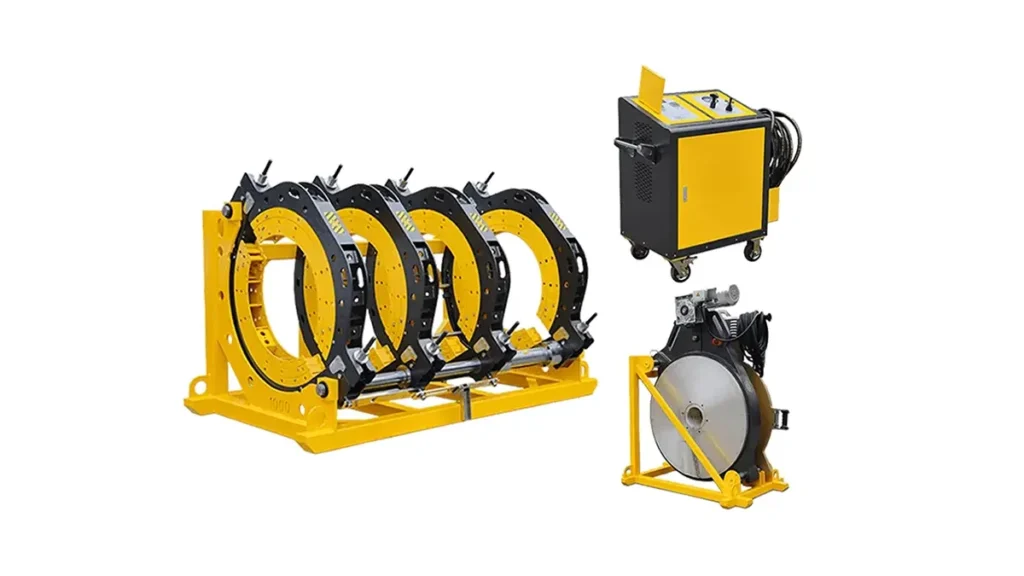
When people ask, what is the correct heating time for HDPE welding, the answer is not a single fixed number. The right heating time depends on pipe diameter, wall thickness, ambient conditions, machine quality, and the specific welding standard being followed. In HDPE butt fusion welding, heating is one of the most important stages because it determines whether the pipe ends will form a strong, uniform, and long-lasting joint. If the heating time is too short, the material may not soften enough for proper fusion. If it is too long, the pipe ends can overheat, causing material degradation and weak weld quality.
The goal of heating is to bring both pipe ends to the proper fusion temperature so that, when they are pressed together, the melted surfaces bond into one continuous structure. For HDPE welding, the process is commonly used in water supply systems, gas distribution networks, mining pipelines, and industrial projects. Reliable equipment such as a butt fusion machine helps maintain stable temperature control, accurate pressure, and correct alignment, all of which directly affect the final heating performance.
In most practical welding applications, the heating plate temperature is usually set around 200°C to 220°C, but the correct heating time still varies from job to job. The process is not simply about setting a timer. It is about watching the melt bead, controlling heat transfer, and making sure the pipe ends reach the correct softening state. A qualified operator understands that HDPE responds differently depending on its size and thickness, so heating time must be matched to the specific welding parameters.
Key point: heating time should always be determined by the pipe specification and the welding procedure chart provided by the machine manufacturer or project standard. Never rely on guesswork, especially in critical pipeline systems.
Why Heating Time Matters in HDPE Welding
Heating time affects the quality of the molecular bond formed during fusion. HDPE pipe ends must soften evenly so that, under pressure, the molten layers intermix and create a seamless connection. If the heating stage is inconsistent, the weld may show visible defects such as uneven beads, insufficient fusion, or brittle joints. These problems can reduce pressure resistance and shorten service life.
For contractors and pipeline installers, a dependable heating cycle improves project efficiency and reduces the risk of rework. This is especially important in large-scale infrastructure jobs where each weld must meet strict standards. A stable heating process also supports quality control inspections, making it easier to maintain consistency across multiple joints.
Important note: the heating stage is not the same as the total welding cycle. The full butt fusion process includes pipe preparation, alignment, heating, changeover, and cooling. Heating time is only one part of the complete sequence.
Main Factors That Affect Heating Time
1. Pipe diameter and wall thickness. Larger pipes and thicker walls require more heating time because more material must absorb heat before fusion can occur. Small-diameter pipes usually heat faster, while large-diameter HDPE lines need a longer, more controlled cycle.
2. Ambient temperature. Cold weather can increase the heating demand because the pipe loses heat more quickly to the surrounding air. In hot environments, the pipe may soften faster, but the operator still needs to follow the recommended parameters carefully to avoid overheating.
3. Pipe material grade. Different HDPE grades may have slightly different thermal behavior. Although the general welding principle is similar, operators should always confirm the correct procedure for the specific resin type used in the project.
4. Machine condition. A well-maintained machine delivers stable clamping, correct heating plate temperature, and proper hydraulic pressure. A poorly maintained unit can produce inconsistent heating, which may cause uneven weld results even if the operator follows the correct time setting.
5. Surface preparation. Clean, square, and properly faced pipe ends heat more evenly. If the surfaces are dirty, oxidized, or misaligned, the heating process becomes less efficient and the weld may not perform as expected.
Typical Heating Time in HDPE Butt Fusion
Although exact values vary, many welding procedures use a heating time chart based on pipe size. Small pipes may require only a short heating period, while large pipes need a much longer one. The chart usually considers the pipe’s outer diameter and wall thickness, and it is important to follow it closely rather than estimating manually.
A practical rule is that the heating time must be long enough to form a consistent melt bead around the pipe circumference. This bead indicates that the pipe ends have softened properly. However, the operator should avoid excessive heating because over-melted material can flow too much, creating a weak or distorted fusion area.
Operator tip: watch the melt bead, not just the clock. A correct bead shape is one of the clearest signs that the heating stage is proceeding properly.
How to Judge Whether the Heating Time Is Correct
Experienced welders evaluate several visual and procedural signs during the heating stage. The pipe ends should soften uniformly, and the heat-affected surface should appear even all the way around. The melt bead should be continuous and symmetrical, without dry areas or excessive sagging.
Temperature control is equally important. If the heating plate is too cool, the pipe will not soften enough within the planned time. If it is too hot, the outer layer can degrade before the inner layer is properly heated. This is why accurate temperature measurement and machine calibration are essential for quality welding.
Stable pressure during clamping also supports correct heating. Misalignment or unstable contact between the pipe end and the heating plate can create uneven heat distribution, which may lead to poor fusion. A high-quality machine helps reduce these risks by maintaining alignment and consistent force throughout the process.
What Happens If Heating Time Is Too Short?
When heating time is too short, the pipe surface may look warm but remain insufficiently softened. In this condition, the molten layers cannot merge fully during the fusion step. The result is often a joint with weak internal bonding, even if the external bead appears acceptable.
Short heating time can cause several problems:
– Poor molecular fusion between pipe ends
– Reduced tensile strength and pressure resistance
– Higher chance of joint failure under load
– Possible leakage in water or gas pipelines
These issues may not always be visible immediately, which makes under-heating particularly dangerous in critical pipeline systems. A weld that looks acceptable on the surface may still fail during long-term service if the heating stage was not completed properly.
What Happens If Heating Time Is Too Long?
Overheating is just as risky as under-heating. If the pipe remains on the heating plate too long, the surface can become overly soft, oxidized, or degraded. Excessive heat may also cause the material to lose its original properties, reducing the strength of the final joint.
Common signs of excessive heating include:
– Overly large or distorted melt bead
– Surface discoloration or burning
– Too much material squeeze-out during fusion
– Uneven cooling and joint deformation
In severe cases, overheating can make the weld brittle or create internal defects that are difficult to detect without testing. This is why operators must balance temperature and time carefully, especially on large-diameter pipelines where the heating cycle is longer and the margin for error is smaller.
Best Practices for Accurate Heating Time
Use a verified procedure chart. Always work from a proper welding parameter chart that matches the pipe size, SDR, and material grade. The chart should come from a trusted source or machine supplier.
Check the heating plate temperature regularly. Use calibrated tools to confirm that the plate is maintaining the correct range. A small temperature deviation can affect the entire heating cycle.
Prepare the pipe ends correctly. Facing, cleaning, and alignment must be completed before heating begins. Good preparation supports even heat transfer and better joint quality.
Control the environment when possible. Wind, rain, dust, and extreme temperatures can all interfere with heating performance. Use protective measures when welding outdoors.
Train operators properly. Even the best equipment depends on skilled operation. Training improves the ability to recognize correct bead formation, manage timing, and respond to changing conditions.
Pro tip: a reliable welding system combines accurate heating control, stable hydraulic performance, and proper clamp alignment. This is why many contractors choose a professional-grade butt fusion machine for project work.
Why Professional Equipment Improves Heating Accuracy
Professional HDPE fusion machines are designed to improve process stability. They help keep the heating plate at the correct temperature, ensure consistent pressure, and hold the pipe ends in precise alignment. These features reduce the chance of human error and make the heating stage more repeatable.
Companies like JQ-Fusion focus on manufacturing equipment for different project needs, including manual, hydraulic, and CNC automatic systems. This matters because different pipeline applications require different levels of automation and control. For example, a project handling large-diameter pipelines may benefit from a machine with strong hydraulic stability and precise control over the heating and fusion stages.
In global pipeline construction, quality and reliability are key. Whether the application is water supply, gas distribution, mining, or industrial piping, the correct heating time must be supported by dependable machinery and clear technical guidance.
HDPE Welding Heating Time and Welding Quality Control
Quality control does not end once the heating time is set. Operators should check the weld appearance, confirm the bead is uniform, and document key welding parameters when required by the project. In regulated environments, traceability may be important for future inspection or maintenance.
Some projects also require post-weld testing or visual inspection according to international standards. In these cases, the heating time becomes part of a larger quality assurance system. When the procedure is followed correctly, the result is a strong joint that can provide long-term service under demanding field conditions.
For this reason, manufacturers with strict testing systems and technical support can provide added value to contractors and distributors. Reliable support helps users choose the right equipment, apply the correct procedure, and avoid unnecessary downtime.
FAQs About HDPE Welding Heating Time
Q1: Is there one universal heating time for all HDPE pipes?
No. Heating time changes based on diameter, wall thickness, pipe grade, temperature, and the welding procedure used.
Q2: What temperature is usually used for HDPE butt fusion heating?
The heating plate is commonly set around 200°C to 220°C, but the exact value should follow the project standard or machine manual.
Q3: How can I tell if the heating time is correct?
Look for a uniform melt bead and even softening around the pipe end. The surface should soften evenly without burning or excessive sagging.
Q4: Can weather affect heating time?
Yes. Cold, windy, or damp conditions can change heat loss and affect the heating stage, so adjustments may be needed within the approved procedure.
Q5: Why is machine quality important for heating accuracy?
A stable machine keeps temperature, pressure, and alignment consistent, which improves the reliability of the heating process and the final weld.



