
Welding is essential in modern manufacturing, infrastructure, shipbuilding, energy systems, and pipeline construction, but it also carries an environmental cost that is often overlooked. From electricity use and gas consumption to metal waste, fumes, and transportation, every stage of the welding process can contribute to carbon emissions. The good news is that companies can take practical steps to reduce this impact without sacrificing quality, strength, or productivity. By improving process efficiency, choosing smarter equipment, training operators, and working with responsible suppliers, it is possible to build a lower-carbon welding workflow that supports both business performance and sustainability goals.
Reducing the carbon footprint in welding starts with understanding where emissions come from. In most projects, the largest contributors are electrical power, shielding gases, consumables, rework caused by poor weld quality, and logistics related to equipment and materials. When these factors are managed carefully, the total environmental burden can be reduced significantly. This is not only beneficial for the planet, but also for operating costs, compliance, and long-term competitiveness.
1. Start with Energy-Efficient Welding Equipment
One of the most effective ways to lower emissions is to use equipment that consumes less energy while maintaining stable performance. Modern welding machines are designed to be more efficient than older models, especially when they use advanced control systems, optimized power delivery, and better temperature management. Even small gains in efficiency can add up across repeated production cycles and large-scale projects.
Tip: When selecting a machine, look for stable output, fast heating response, accurate pressure control, and reduced idle power consumption. These features help cut unnecessary electricity use and improve welding consistency at the same time.
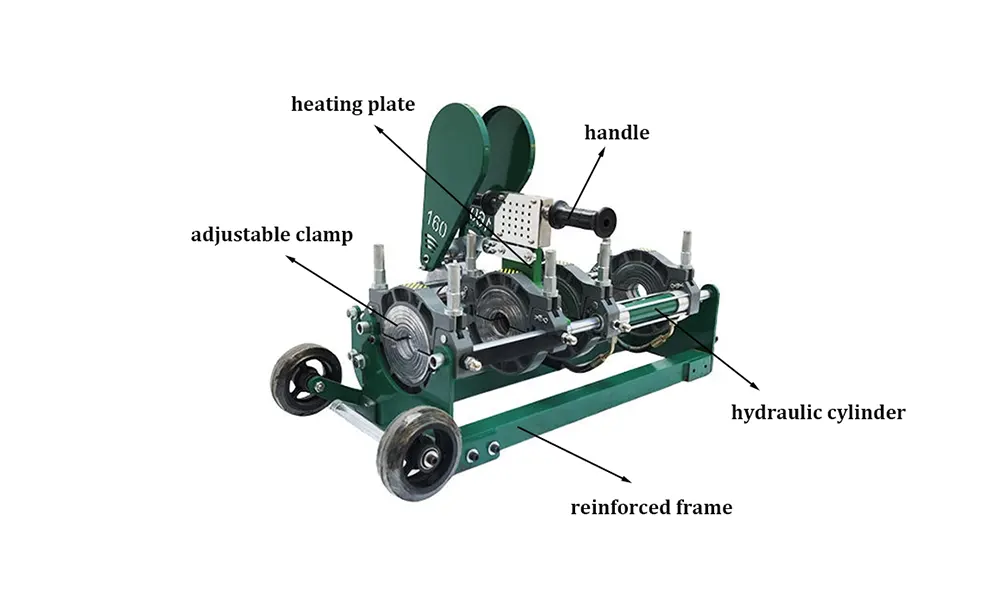
For pipeline projects, choosing the right fusion system can also reduce waste and avoid energy loss from repeated repairs. A reliable butt fusion machine helps ensure strong joints on the first attempt, which means less rework, less scrap, and lower carbon emissions overall.
2. Improve Weld Quality to Reduce Rework and Scrap
Poor weld quality is one of the hidden drivers of carbon emissions. When welds fail inspection or require repair, the project consumes additional power, gases, filler materials, labor hours, and transportation resources. Rework also slows project timelines, which can increase equipment standby time and logistics-related emissions. In other words, every defective weld has a broader environmental impact than many people realize.
To reduce this problem, organizations should invest in operator training, machine calibration, and process control. Welders need to understand how to set up the equipment correctly, maintain consistent parameters, and inspect joints carefully before moving to the next stage. Better first-pass quality means less waste and a lower carbon footprint.
Key insight: The most sustainable weld is the one that does not need to be repeated. Quality control is both a production strategy and an environmental strategy.
3. Choose the Right Welding Process for the Job
Not all welding methods have the same environmental profile. Some processes may use more electricity, produce more fumes, or require more consumables than others. The best choice depends on the material, application, pipe diameter, thickness, and project conditions. Selecting the most suitable method can make a substantial difference in both performance and emissions.
For example, in HDPE pipeline construction, fusion methods are widely used because they can deliver strong, durable, leak-resistant joints with minimal material loss. In many cases, these processes help reduce downstream maintenance and replacement work, which also lowers long-term emissions. For contractors working in water supply, gas distribution, mining, and industrial projects, choosing the right process from the start is a practical way to improve sustainability.
If a process creates fewer rejects, uses less filler material, and supports long service life, its environmental value is often higher even if its upfront cost is similar.
4. Use Durable, Long-Lasting Equipment
Durability matters because equipment with a longer service life reduces the need for frequent replacement, manufacturing, packaging, and shipping. A machine that is built to last creates less lifecycle carbon impact than a low-cost product that must be replaced often. This is especially important for contractors and distributors operating in demanding environments where uptime and reliability are critical.
Durable machines also support more consistent welding output over time. Stable performance reduces the chance of defects, unexpected downtime, and emergency repairs. In sustainability terms, longevity is a major advantage because it spreads the environmental cost of production over many years of useful service.
Important: Buying better equipment once is often greener than buying cheaper equipment repeatedly.
5. Optimize Consumption of Gas and Consumables
Shielding gas, filler material, electrodes, and other consumables can generate a significant carbon impact through production, transport, and waste. Using the correct amount of material is crucial. Excessive gas flow, for example, wastes resources without improving weld quality. Likewise, poor handling of consumables can lead to contamination, spillage, or premature disposal.
A more disciplined approach includes proper storage, accurate parameter settings, and regular inspection of feeding and delivery systems. By keeping consumables under control, workshops can reduce cost and environmental impact at the same time.
In practical terms, this means standardizing procedures, keeping records of material usage, and training staff to recognize when a setting or technique is creating waste. Small adjustments can produce meaningful improvements across the full operation.
6. Reduce Transportation and Supply Chain Emissions
The carbon footprint of welding is not limited to the workshop or job site. Equipment shipping, part delivery, packaging, and supply chain movement all add emissions. Choosing a supplier with efficient logistics, responsive service, and strong inventory management can reduce unnecessary transportation and improve project timing.
Companies like JQ-Fusion support this need by providing global customers with stable stock supply, technical support, and fast delivery. When equipment and replacement parts arrive on time, projects are less likely to suffer delays, repeat shipments, or emergency freight arrangements, all of which can increase emissions.
A shorter, smarter supply chain is usually a cleaner supply chain.
7. Support Sustainability with Smart Customization
Customization is not only about convenience or branding. It can also reduce carbon emissions by ensuring that equipment is matched to the exact needs of a project. A properly configured machine avoids overcapacity, unnecessary power use, and poor-fit operation. This is especially useful for contractors handling different pipe sizes, voltages, and site conditions.
JQ-Fusion offers OEM and ODM customization, which can help buyers choose the right size, design, voltage, and functional configuration for their application. That means fewer compromises, better workflow efficiency, and less waste during the project lifecycle.
Smart customization supports sustainability because it prevents oversized, underused, or mismatched equipment from consuming extra resources.
8. Train Welders to Work More Efficiently
Technology alone cannot reduce emissions if the operators are not trained to use it effectively. Skilled welders know how to prepare materials correctly, apply proper parameters, monitor performance, and troubleshoot issues before they become serious problems. Training improves efficiency, reduces defect rates, and supports safer working conditions.
Well-trained teams are also better at preventing waste. They use time and materials more carefully, which improves both financial and environmental performance. In large projects, this can lead to major reductions in rework, scrap, and unnecessary machine running time.
Training is one of the lowest-cost ways to improve sustainability because it improves every weld, not just one machine or one job.
9. Maintain Equipment Regularly
Maintenance plays a direct role in carbon reduction. A poorly maintained machine may draw more energy, run less efficiently, and produce inconsistent results. Regular checks of temperature control, hydraulic pressure, clamp alignment, and electrical systems help keep equipment operating at peak performance. This avoids unnecessary energy waste and extends machine life.
Scheduled maintenance also reduces unplanned downtime, which can lead to rushed shipping, replacement purchases, or emergency work that often has a higher carbon cost. A consistent maintenance routine is a practical sustainability tool, not just a technical requirement.
For buyers evaluating suppliers, it is worth choosing manufacturers that provide technical support, after-sales service, and clear operating guidance. These factors help keep equipment in good condition and reduce long-term emissions.
10. Build Sustainability into Purchasing Decisions
Purchasing decisions shape the carbon footprint of welding operations for years. When buyers focus only on price, they may end up with inefficient, short-lived, or difficult-to-maintain equipment. A more sustainable approach evaluates performance, durability, service support, certification, and the overall lifecycle impact of the product.
JQ-Fusion’s products are manufactured in compliance with international standards and certified by SGS, which supports reliability and consistent performance in pipeline projects. This matters because certified quality often means fewer failures, fewer replacements, and less waste over time.
Sustainable purchasing checklist: energy efficiency, product durability, service support, customization options, certification, and proven field performance.
How JQ-Fusion Supports Lower-Carbon Welding
JQ-Fusion is a professional manufacturer specializing in HDPE pipe welding machines, with more than 20 years of industry experience. Its product range includes manual, hydraulic, and CNC automatic butt fusion welding machines, serving water supply systems, gas distribution networks, mining projects, and industrial pipeline installations. For contractors aiming to reduce carbon impact, this kind of focused specialization is valuable because it helps match the right machine to the job.
The company’s advanced manufacturing technology, strict quality control, and flexible customization services all contribute to better operational efficiency. Stable welding performance reduces rework, while OEM and ODM customization helps prevent waste from ill-suited equipment. In addition, fast logistics support and large inventory availability can reduce delivery delays and emergency freight emissions.
In practical terms, this means a more efficient welding operation from production to installation. A well-chosen machine, supported by technical guidance and reliable supply, can help companies reduce their overall carbon footprint while maintaining strong project outcomes.
Conclusion
Reducing the carbon footprint in welding is not about one single solution. It is about combining better equipment, higher quality, smarter process selection, efficient logistics, trained operators, and responsible purchasing. Each improvement may seem small on its own, but together they can create a meaningful reduction in emissions across the full lifecycle of a welding project.
For companies working in demanding pipeline environments, sustainability and productivity can go hand in hand. When equipment is efficient, durable, and properly supported, the result is less waste, fewer repairs, lower energy use, and stronger long-term value. That is why reducing carbon footprint in welding should be viewed not as an extra burden, but as a smarter way to operate.
FAQs
Q1: What is the biggest source of carbon emissions in welding?
Electricity use, rework, consumable waste, and gas consumption are among the biggest contributors, depending on the process and project scale.
Q2: Can better weld quality really reduce emissions?
Yes. Fewer defects mean less rework, less wasted material, less extra energy use, and fewer project delays.
Q3: Is buying a more efficient welding machine worth it?
Usually yes, because efficient machines lower power consumption, improve consistency, and often reduce long-term operating costs.
Q4: How does customization help sustainability?
Customization ensures the machine fits the job, avoiding overcapacity, unnecessary energy use, and avoidable waste.
Q5: What simple step should a company take first?
Start by auditing energy use, weld defect rates, and equipment condition, then prioritize the changes that reduce the most waste.



