
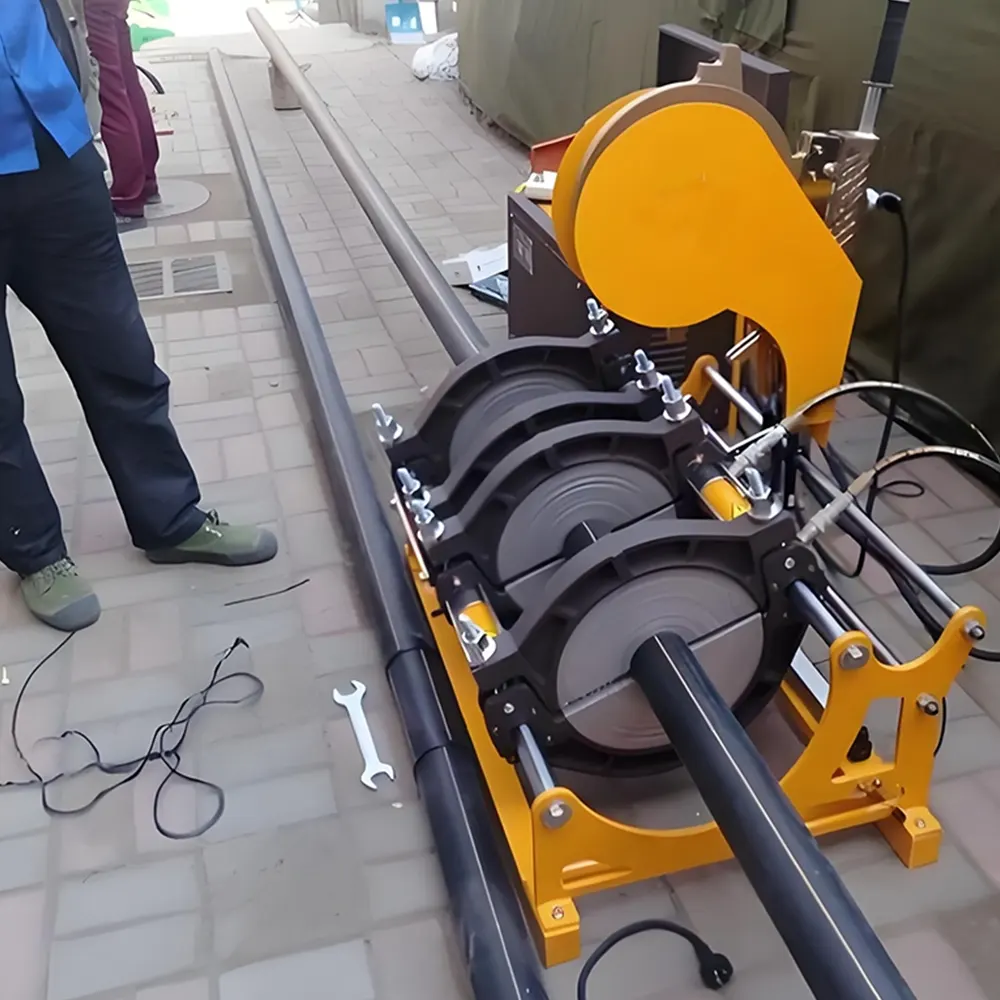
When a welding operation depends on precision, heat stability, and joint strength, maintenance is not optional. It is one of the most important parts of keeping equipment safe, efficient, and ready for daily production. A well-structured welding machine maintenance checklist PDF helps operators follow the right inspection steps, reduce downtime, and prevent costly failures before they happen.
For factories, contractors, and pipeline teams working with HDPE systems, maintenance is especially critical because butt fusion equipment must perform consistently under demanding project conditions. Whether you manage a small workshop or a large field installation team, a clear checklist makes it easier to protect machine life, improve weld quality, and support safer operation from one shift to the next. If you want to understand how professional fusion equipment supports long-term reliability, you can also review the butt fusion machine solutions designed for industrial pipeline projects.
Why a Welding Machine Maintenance Checklist PDF Matters
A checklist turns routine maintenance into a repeatable process. Instead of relying on memory, operators can follow a documented sequence that covers cleaning, inspection, calibration, lubrication, and safety checks. This is especially valuable in environments where multiple shifts, different technicians, or large equipment fleets are involved.
A PDF format is convenient because it can be printed, shared, stored digitally, and updated as equipment requirements change. It also gives maintenance teams a standardized reference that supports training, audits, and on-site execution. When a checklist is clearly written, the whole team benefits from fewer errors and better equipment readiness.
Key point: A maintenance checklist is not just a document. It is a safety tool that helps extend machine life, improve weld consistency, and reduce unexpected stoppages.
What the Best Checklist Should Include
The best welding machine maintenance checklist PDF should be practical, easy to follow, and tailored to the machine type. It should include tasks that operators can complete before, during, and after use, plus periodic service items for deeper maintenance.
✔ Daily inspection for power cables, clamps, heaters, and visual damage.
✔ Temperature verification to ensure the heating system reaches and holds the correct setting.
✔ Hydraulic pressure checks to confirm stable performance during fusion cycles.
✔ Alignment inspection for clamps and pipe positioning accuracy.
✔ Cleaning routine for heater plates, cutting tools, and machine surfaces.
A strong checklist should also include service intervals, responsible personnel, replacement parts records, and a log for issues found during inspection. This makes it easier to identify repeating problems and schedule repairs before serious breakdowns occur.
Core Maintenance Areas to Track
1. Heating System
The heating element is one of the most important parts of any welding machine. If the temperature is unstable, the weld quality may suffer. Operators should check whether the heater reaches the correct temperature quickly and stays consistent during operation. Surfaces should remain clean and free from contamination, since residue can affect heat transfer and fusion results.
2. Hydraulic Unit
For hydraulic butt fusion systems, pressure control must remain stable. Leaks, weak seals, or inconsistent pressure can cause uneven welding. A good checklist should include oil level inspection, hose condition review, and pump performance observation. Any unusual noise or pressure fluctuation should be treated as a warning sign.
3. Clamping and Alignment Components
Misalignment is a major cause of poor joint quality. Clamps, guide rails, and positioning components should be checked frequently for wear, looseness, or deformation. Even small alignment errors can influence the final fusion result, especially in larger pipeline projects where accuracy is essential.
4. Electrical and Control Systems
Power supplies, switches, displays, and control panels should be inspected for damage or instability. Cable insulation must remain intact, and connectors should be secure. If the machine uses digital or CNC controls, software settings and display accuracy should also be reviewed regularly.
Important: Electrical safety checks should always happen before operation. A damaged cable or unstable power connection can interrupt production and create serious hazards.
Daily Checklist Example for Safe Operation
A daily checklist should be short enough to complete quickly, but detailed enough to catch common issues. The goal is to make inspection a natural part of the workflow instead of an extra burden.
Before startup: confirm the machine is clean, stable, and connected to the correct power source.
During operation: monitor temperature, pressure, and alignment performance.
After operation: remove residue, store accessories properly, and record any abnormal findings.
These steps may look simple, but they create a strong foundation for reliable performance. Many equipment failures begin with small issues that were ignored too long. A disciplined daily routine helps prevent that pattern.
Weekly and Monthly Maintenance Tasks
In addition to daily checks, a maintenance checklist should assign weekly and monthly tasks. Weekly tasks often focus on cleaning, tightening, and visual inspection. Monthly tasks may include calibration, deeper part assessment, and performance testing. This layered approach keeps the machine in better condition and helps identify wear trends early.
For example, heater calibration can be checked monthly to ensure temperature accuracy. Hydraulic oil quality may also need periodic review, especially in demanding site environments. In larger operations, keeping a written service history is essential because it shows how the machine has performed over time.
Tip: If a machine is used in water supply, gas distribution, or mining projects, maintenance intervals may need to be tighter because field conditions can be harsher than workshop use.
How Maintenance Improves Welding Quality
Good maintenance directly affects weld quality. When the heater is accurate, the hydraulic unit is stable, and the clamp system is aligned, the machine can produce more consistent joints. This reduces the risk of weak fusion, uneven bead formation, and unnecessary rework.
Reliable equipment also supports operator confidence. Workers are more likely to follow correct procedures when they know the machine is in good condition. That leads to smoother workflows, lower rejection rates, and better productivity across the project.
Best practice: Record every maintenance action, even minor adjustments. A complete record helps detect patterns and supports future troubleshooting.
Choosing the Right Equipment for Long-Term Maintenance
Maintenance becomes easier when the machine itself is built for durability and serviceability. Manufacturers that focus on stable performance, quality control, and customization can help users reduce maintenance burden over time. In industrial pipeline work, many teams prefer equipment with strong structural design, tested components, and support for different pipe diameter requirements.
JQ-Fusion, for example, specializes in HDPE pipe welding machines and provides manual, hydraulic, and CNC automatic butt fusion systems for global projects. Their machines are used in water supply systems, gas distribution networks, mining projects, and industrial pipeline installations. With advanced manufacturing, strict quality control, and OEM/ODM flexibility, the goal is to support reliable operation in real field conditions. This makes the selection of a dependable butt fusion machine an important part of the maintenance strategy as well.
What a Good PDF Layout Should Look Like
A maintenance checklist PDF should be easy to read on both desktop and mobile devices. Clear headings, short sections, checkboxes, and simple tables improve usability. The layout should leave enough space for notes while keeping the most important actions visible at a glance.
★ Use short, direct instruction lines.
★ Group items by frequency: daily, weekly, monthly, and annual.
★ Add signature fields for technician verification.
★ Include a note section for abnormal findings or part replacement.
Final Thoughts on Safe and Efficient Equipment Care
The best welding machine maintenance checklist PDF is the one that is simple, complete, and easy to use every day. It should help operators protect the heater, hydraulic system, clamps, electrical parts, and overall machine structure while supporting consistent weld quality. By turning maintenance into a clear routine, teams can improve safety, extend equipment life, and keep projects moving without unnecessary delays.
For businesses working in pipeline construction and HDPE fusion applications, the right checklist is more than a support document. It is a practical tool for productivity, compliance, and long-term equipment value. When paired with durable machines and reliable technical support, it becomes part of a stronger operational system.
Frequently Asked Questions
1. What should be included in a welding machine maintenance checklist PDF?
It should include daily inspection, cleaning, temperature checks, hydraulic system checks, alignment review, electrical safety inspection, and periodic service tasks.
2. How often should welding equipment be maintained?
Basic checks should be done before and after each use, while weekly, monthly, and annual service tasks should be scheduled based on machine usage and working environment.
3. Why is temperature accuracy important in maintenance?
Because incorrect temperature can weaken the fusion joint, reduce weld consistency, and increase the chance of rework or failure.
4. Can a maintenance checklist help reduce downtime?
Yes. A clear checklist helps identify problems early, which prevents unexpected breakdowns and keeps production running more smoothly.
5. Is a PDF checklist better than a paper-only note?
A PDF is easier to share, update, print, and store. It also helps create a consistent maintenance standard for different teams and project sites.



