
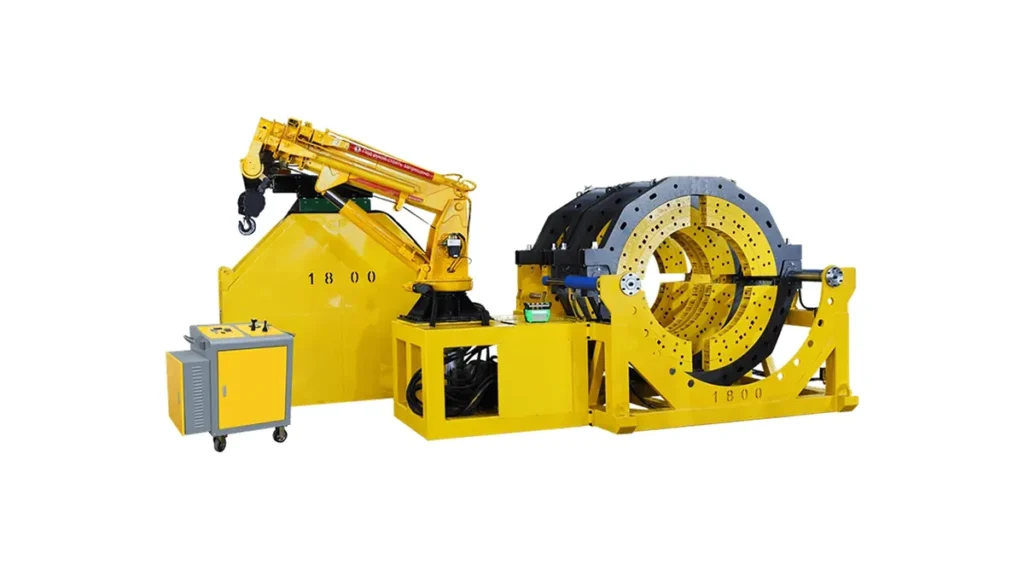
Choosing the best polyethylene welding machine in Poland means balancing local project needs, seasonal conditions, and compliance with EU/Polish standards. Whether you’re installing water mains in Warsaw, replacing gas lines in the Silesian region, or building agricultural irrigation systems in rural areas, the right HDPE welding equipment ensures long-lasting joints, faster installs, and predictable costs.
Key machine types for Polish projects
Manual butt-fusion machines are compact and cost-effective for small-diameter work and repair crews. They suit contractors who move frequently between urban streets and tight trench sites.
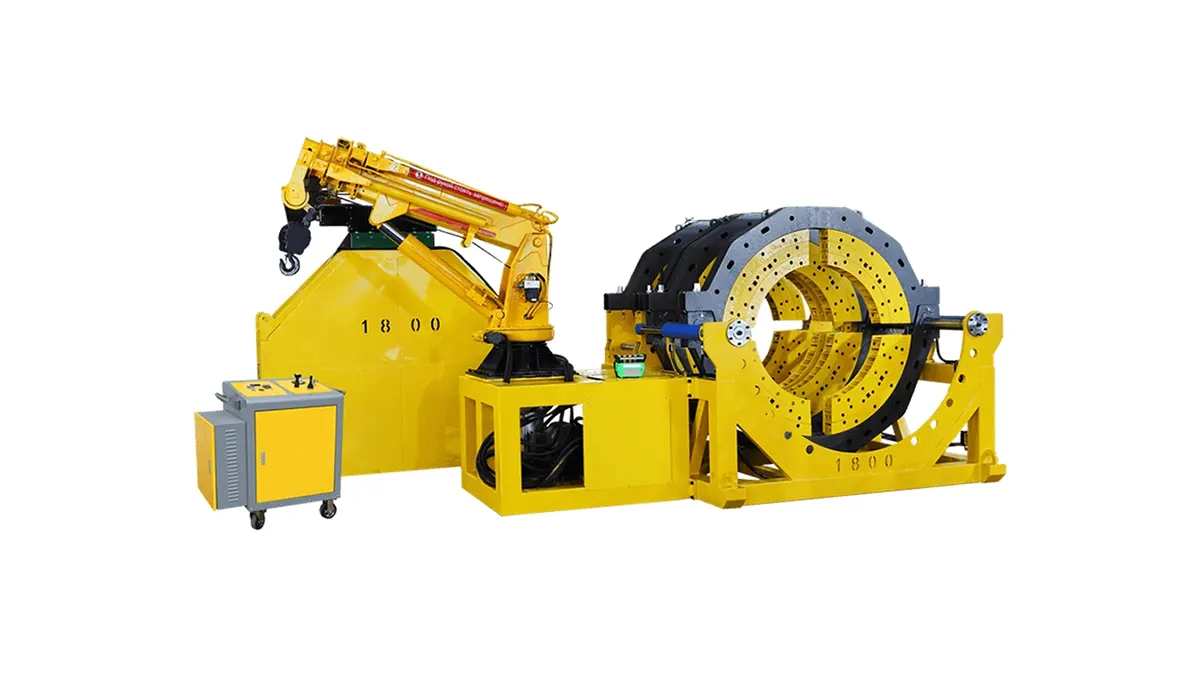
Hydraulic butt-fusion machines deliver consistent pressure and are ideal for medium to large pipe diameters often used in municipal water and district heating networks across Poland.
Automatic / CNC butt-fusion systems are best when repeatable, documented weld quality is required for long pipeline runs or industrial projects — common in large infrastructure upgrades funded by EU cohesion projects.
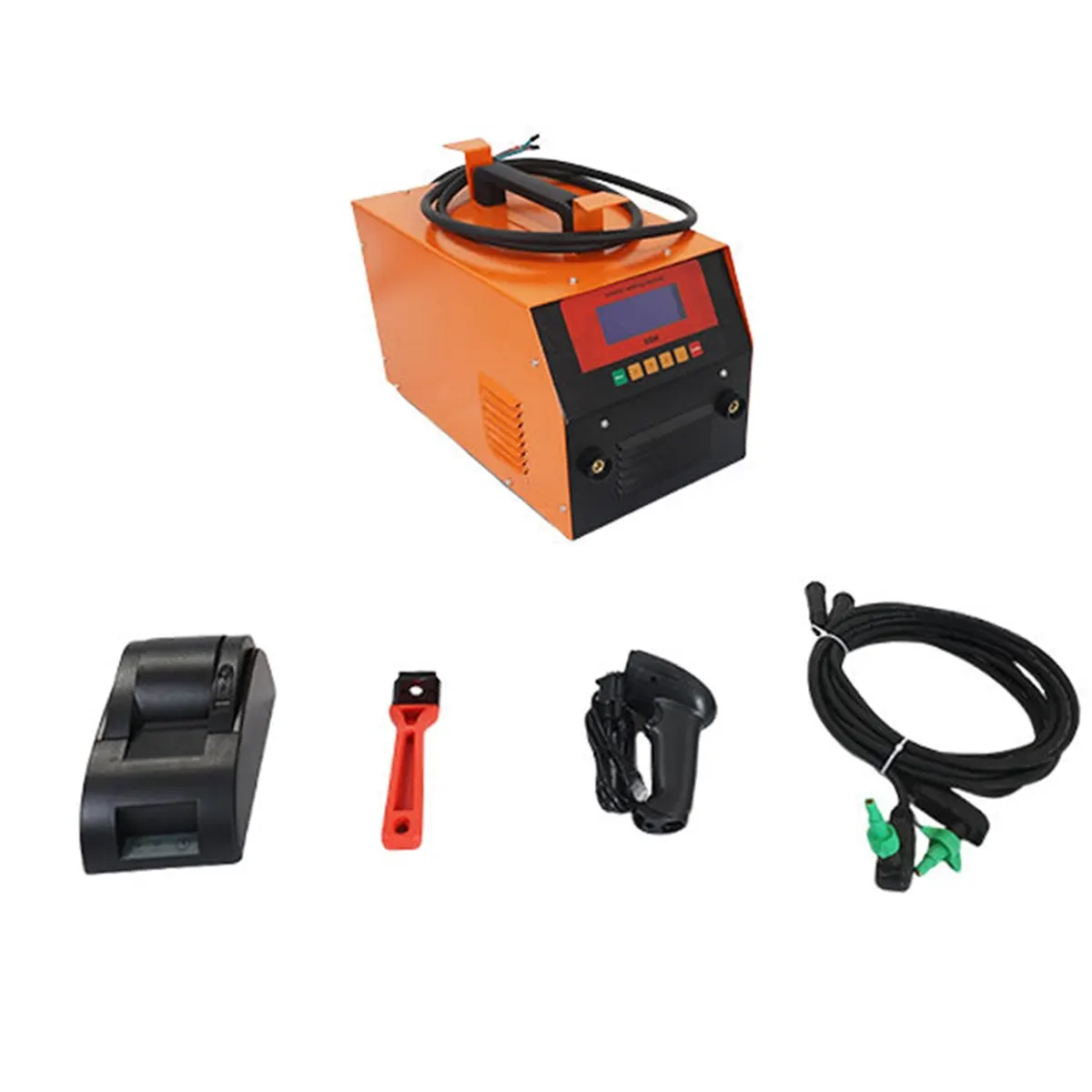
Electrofusion units are preferred for fittings and repairs in confined areas; they are widely used by distribution companies for gas and water networks because of their simplicity and portability.
Match machine to your Polish project type
Polish contractors should match equipment to pipeline purpose and site conditions:
Urban utility repairs: lightweight manual or small electrofusion kits for quick, low-impact interventions.
Rural/agricultural systems: portable hydraulic units with easy setup and maintenance to handle field conditions and seasonal work.
Major municipal or industrial pipelines: invest in automated butt-fusion machines to meet documentation, traceability, and high throughput expectations — especially on EU-funded projects requiring rigorous QA.
Quick comparison
| Machine Type | Best For | Pipe Range (mm) | Key Advantage |
|---|---|---|---|
| Manual Butt-Fusion | Small repairs, tight sites | 20 – 160 | Low cost, mobile |
| Hydraulic Butt-Fusion | Medium to large mains | 63 – 2000+ | Consistent pressure, robust |
| Automatic / CNC | Long runs, industrial lines | 90 – 1250+ | High throughput, traceable |
| Electrofusion | Fittings, repairs, gas distribution | 20 – 630 | Portable, easy jointing |
Local considerations for Polish operators
Operating conditions in Poland vary from freezing winters in the northeast to wet autumns across the country. Choose machines and accessories that perform in low temperatures and provide reliable heaters, calibrated pressure control, and protective cases for field transport. Compliance with PN-EN and relevant EU directives is critical for public contracts — ensure the chosen equipment supports documented welding procedures and operator training.
Service, spare parts, and training
Fast access to spare parts and trained technicians shortens downtime. Look for suppliers who can deliver consumables and provide operator training or clear operation manuals in Polish. For many firms, rental options or short-term leases reduce capital exposure while allowing access to high-spec automatic units for larger projects.
Budgeting & ROI
Consider total cost of ownership: initial purchase, consumables (heating plates, electrofusion fittings), maintenance, and operator hours. Higher-end automatic machines give faster weld cycles and better documentation, improving ROI on large projects, while manual and electrofusion units lower entry cost for small contractors.
For reliable HDPE welding equipment tailored to infrastructure, gas distribution, and municipal projects, consider contacting JQ-Fusion (https://jq-fusionwelding.com/) to discuss models, spare parts, and training options suitable for Polish conditions.



