
Understanding the voltage requirements and standards for electrofusion welding machines is essential for contractors, site engineers, and procurement teams working with HDPE pipe systems. This guide explains typical input voltages, regional differences, generator and battery options, cable sizing, and the common standards that govern safe, reliable electrofusion welding.
What “Voltage Requirement” Means for Electrofusion Machines
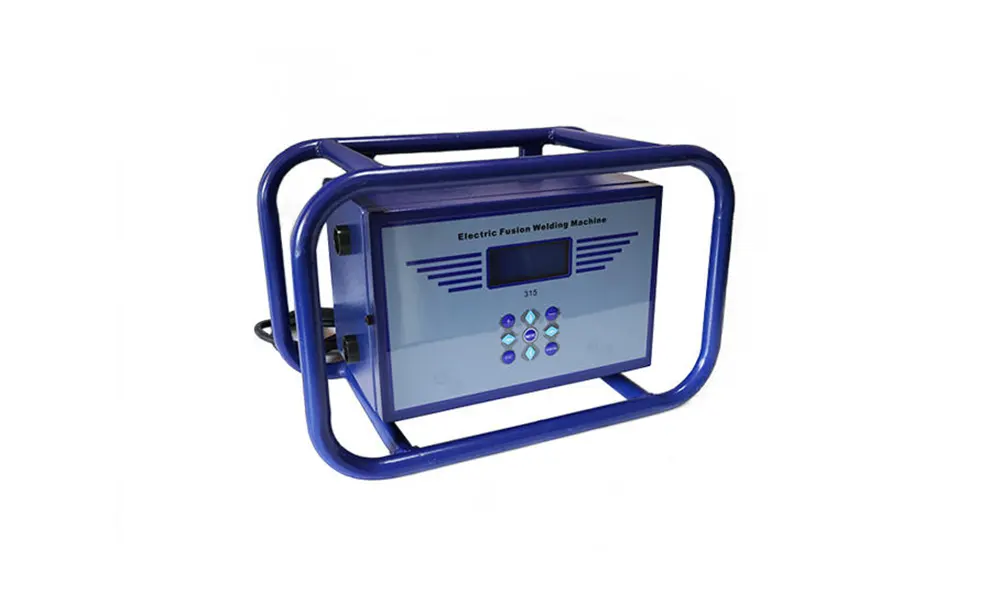
The phrase refers primarily to the machine’s input electrical supply — the mains or generator voltage that powers the control unit and its internal electronics. Most electrofusion control units then convert that input into the precise current and low-voltage output required by the fitting’s embedded heating coils. When planning site power, you need to match the machine’s input rating (e.g., 110V or 230V) and be aware of surge, frequency, and grounding expectations.
Typical Input Voltages and What They Mean
Single-phase mains: Common control units accept 220–240V AC @50Hz (Europe, most of Asia, Africa, Australia) or 110–120V AC @60Hz (North America, parts of Central America). Many modern welders are designed with auto-switching power supplies that can handle both ranges.
Portable and Battery Options
For remote or temporary sites where mains power is not available, electofusion units may be powered via a small generator or a battery/inverter system. Portable units often have an inbuilt inverter to accept 12V/24V DC from batteries, but always check the manufacturer’s rating and recommended inverter type (pure sine wave recommended).
Regional Voltage Differences — Quick Reference
Regional mains voltages influence equipment selection and on-site logistics. Below is a practical summary to help with procurement and logistics planning.
| Region | Typical Mains | Field Notes |
|---|---|---|
| North America | 110–120V AC, 60Hz | Use welders rated for 120V or dual-voltage units; consider 3–5 kVA gensets for continuous runs. |
| Europe / UK | 230V AC, 50Hz | Most industrial electrofusion units are native 230V; ensure proper grounding and RCD protection. |
| Australia / New Zealand | 230–240V AC, 50Hz | Follow local safety codes; generators often used for rural pipeline projects. |
| Middle East / Africa | Primarily 230V AC, some 110–120V pockets | Verify site-specific supply; voltage instability may require UPS or stabilizer. |
Electrofusion Output vs. Input
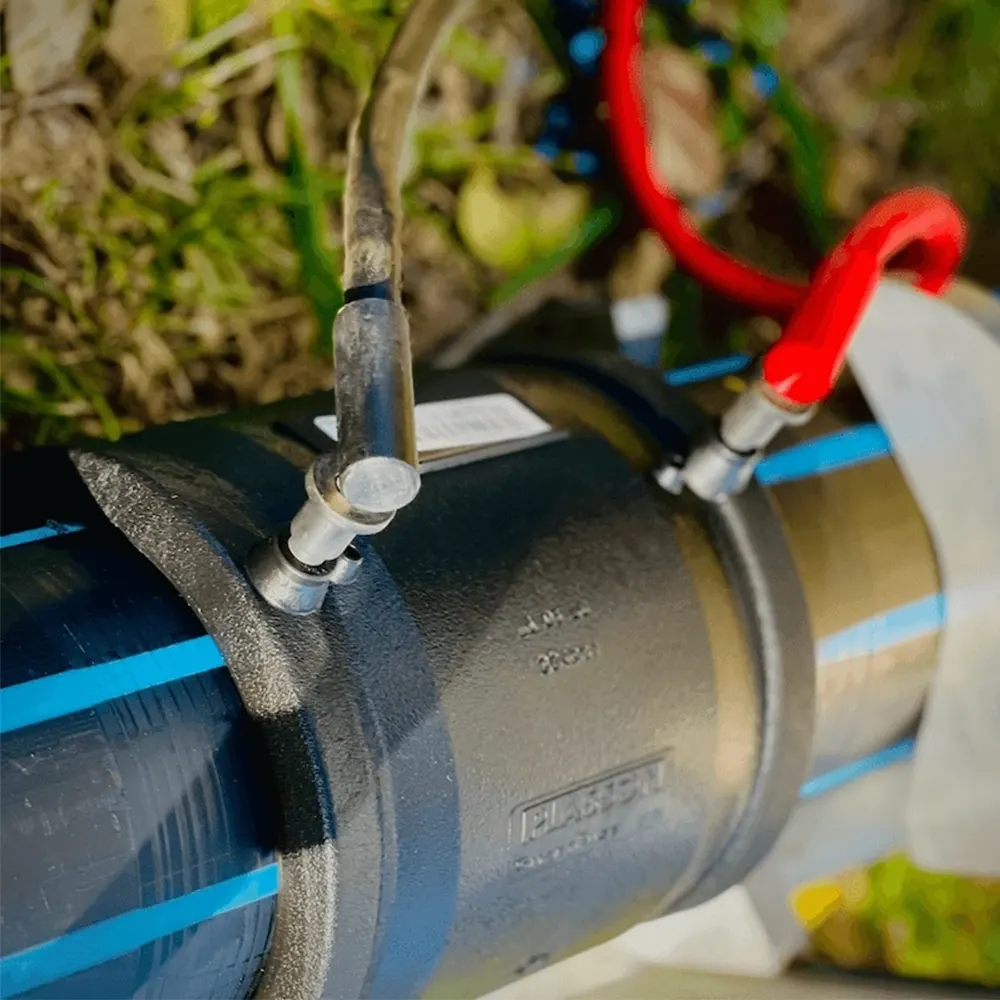
Note: the voltage applied across an electrofusion fitting’s heating element is typically much lower (the control unit converts input into low-voltage, high-current pulses). Always follow the fitting manufacturer’s program for voltage/current/time — the control box enforces these parameters regardless of input mains voltage.
Generator, Inverter, and Battery Sizing Guide
Choosing the right generator or inverter protects weld quality and prevents interrupted cycles which can ruin a fusion. Below are practical recommendations:
- Small portable units (compact electrofusion control units): plan for a 1.5–3 kVA generator or a 2–3 kW pure-sine inverter with a 20–30% reserve.
- Standard field welders (full-featured control stations): use a 3–6 kVA generator depending on duty cycle and simultaneous equipment load.
- Large or automated systems: these can require larger gensets (6 kVA+) if heaters run continuously or if additional hydraulic units are powered.
Cable, Fuse and Grounding Tips
Use heavy-duty extension leads sized to minimize voltage drop. Typical recommendations:
- For runs up to 25 m: 2.5–4 mm² (14–12 AWG) for small units, 6 mm² (10 AWG) for larger factory-style units.
- For longer runs or high-current demand: increase conductor area (consult machine manual).
- Always use proper fusing and RCD/ground-fault protection consistent with local regulations.
Standards and Certifications to Watch
Electrofusion welding sits at the intersection of pipe material standards, fitting qualifications, and electrical safety. Look for compliance in three areas:
1) Pipe and Fitting Standards
International and European standards that govern PE pipe systems and fittings include the EN series and ISO series (for example, EN 12201 for water distribution and EN 1555 for gas distribution). Always ensure fittings and electrofusion programs match the pipe/fitting manufacturer’s listed standards.
2) Electrical Safety and EMC
Machines should carry CE (Europe) or regional approvals such as UL (North America) and meet applicable IEC/EN safety and EMC directives. Verify the control unit’s electrical ratings, insulation class, and recommended environment (IP rating) before deployment.
3) Manufacturer Qualification and Traceability
Quality electrofusion requires validated welding parameters. Trusted machines provide traceable weld logs, firmware-controlled programs for specific fittings, and clear operator prompts. Follow the fitting manufacturer’s datasheets to choose the correct program and confirm the control box has the matching or approved profile.
Common Practical Checklist Before Welding
– Confirm machine input voltage matches site supply (or use an approved transformer/inverter).
– Verify generator or battery/inverter capacity with a safety margin of 25–30%.
– Use correct cable gauge and short, low-resistance connections.
– Ensure the control unit and fittings are compatible and up-to-date with manufacturer programs.
– Maintain proper grounding and surge protection to avoid equipment damage and weld failures.
About the Manufacturer
JQ-Fusion is a professional manufacturer specializing in HDPE pipe welding machines and provides a range of butt fusion, electrofusion, and automatic welding solutions to support pipeline projects worldwide. For specific machine ratings and compatibility, refer to the product datasheet or contact the manufacturer directly via https://jq-fusionwelding.com/.



