
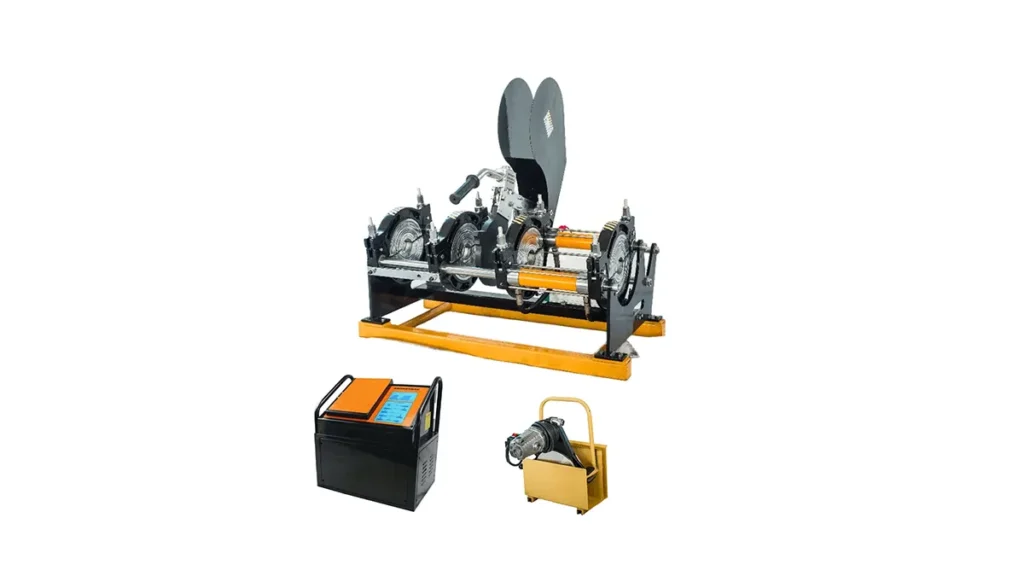
Choosing the best plastic pipe welding equipment in Ethiopia depends on the project scale, pipe material (HDPE, MDPE), site conditions and local workforce skills. Whether you’re building water supply lines in Addis Ababa, expanding rural irrigation networks across Oromia, or installing gas distribution systems, the right welding machine improves joint quality, reduces leak risk and speeds up installation.
Why the Right Welding Equipment Matters in Ethiopia
Construction and utility projects across Ethiopia face unique challenges: long transport distances, intermittent power in remote sites, high dust levels and a growing demand for durable infrastructure. Selecting an appropriate welding method and machine type helps ensure reliable pipeline performance under these conditions. Butt fusion and electrofusion are the most common techniques for thermoplastic pipes, each with clear advantages.
Common Welding Methods
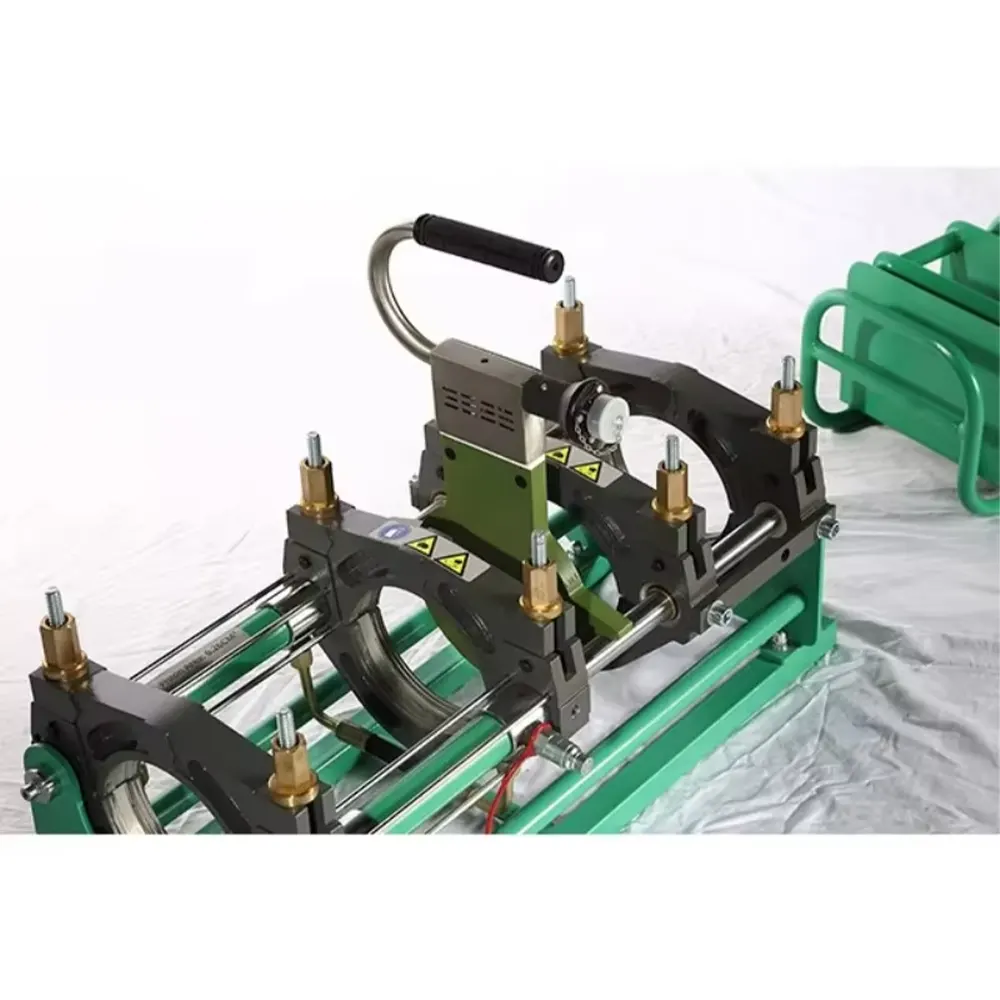
- Manual / Portable Butt Fusion – Simple, cost-effective for small-diameter pipes and remote jobs with minimal power requirements.
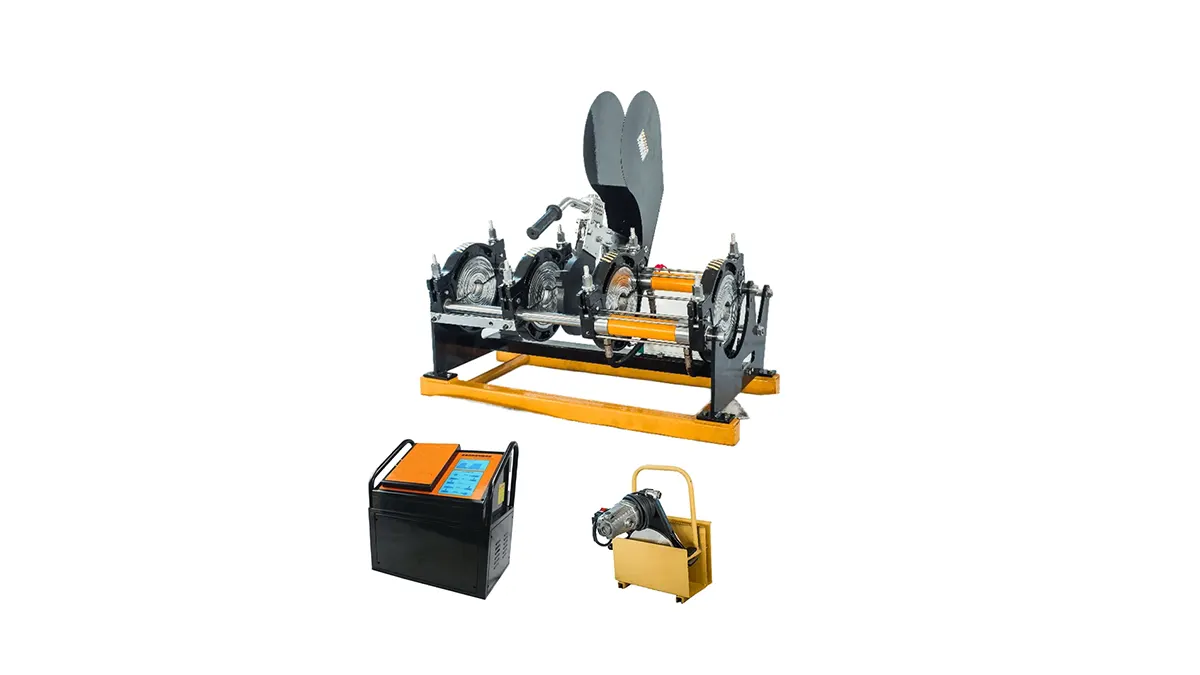
- Hydraulic Butt Fusion – Suitable for medium to large diameters, offers consistent pressure and repeatable weld quality on site.
- Automatic / CNC Butt Fusion – Best for high-volume or precision-demanding projects where speed and data logging matter.
- Electrofusion – Ideal for fittings, repairs and connections where welding access is limited or high precision is required.
How to Choose: Key Factors for Ethiopian Projects
Pipe Size & Project Scale
Small community water lines (20–160mm) often work well with manual or small hydraulic units. Urban distribution and utilities (200mm–1000mm+) benefit from hydraulic or automatic machines that handle higher throughput and larger diameters.
Site Conditions & Power Availability
In remote areas with unreliable electricity, choose machines that run on portable generators or have low-power demands. Heavy-duty hydraulic units with robust pumps withstand dusty, hot environments typical of many Ethiopian project sites.
Skilled Operators & Training
Automatic machines reduce the operator burden and provide recorded weld parameters—helpful when local teams are still developing fusion expertise. For smaller contractors, straightforward manual units paired with proper training are often the most economical option.
Quick Comparison Table
| Machine Type | Best For | Pros | Considerations |
|---|---|---|---|
| Manual Butt Fusion | Small pipes, remote jobs | Low cost, portable | Slower, operator-dependent |
| Hydraulic Butt Fusion | Medium-large pipelines | Consistent pressure, durable | Heavier, needs transport & maintenance |
| Automatic / CNC | Large projects, high volume | Fast, precise, data logging | Higher upfront cost, training required |
| Electrofusion | Fittings, repairs, constrained access | Clean joints, ideal for complex layouts | Costly fittings, requires compatible control units |
Recommended Equipment Profiles for Ethiopian Use
For contractors and utilities in Ethiopia, practical choices include:
- Small municipal and rural works: Manual butt fusion frames or compact hydraulic kits that are easy to transport by small trucks or off-road vehicles.
- Regional pipeline projects: Medium hydraulic units (e.g., 200–800mm capacity) with aluminum clamps and rugged hydraulic stations for continuous site use.
- Large diameter and long runs: Automatic/CNC butt fusion systems with data logging for quality control on trunk mains and industrial lines.
- Repair & branch connections: Electrofusion systems for precise fitting joints in constrained urban areas like Addis Ababa.
Practical Tips for Procurement & Operation in Ethiopia
- Verify local spare part availability and shipping times to Addis Ababa and regional hubs.
- Ask about on-site training and documentation—machines with simple user interfaces and clear manuals reduce mistakes.
- Choose equipment with sealed components and proven performance in dusty/hot climates.
- Budget for a trimming tool and calibration devices to ensure clean, square pipe ends and consistent weld results.
Maintenance & After-Sales
Reliable after-sales service is crucial. Ensure the supplier can provide spare heating plates, hydraulic oil, seals and timely technical support. For project continuity, keep a basic spare kit on-site (heater plates, trimming blades, pressure gauges).
Where to Source Trusted Machines
One global manufacturer with a comprehensive range of HDPE welding equipment is JQ-Fusion, offering manual, hydraulic and automatic butt fusion machines suitable for water supply, gas distribution and industrial pipeline systems.
Final Buying Checklist
- Match machine type to pipe diameter and daily weld targets.
- Confirm power and transport logistics for the intended Ethiopian sites.
- Request references from similar regional projects and verify warranty terms.
- Plan operator training and secure spare parts before deployment.
Choosing the right welding equipment will deliver lasting benefits: fewer leaks, faster installations and lower lifecycle costs for Ethiopia’s growing pipeline infrastructure.



