
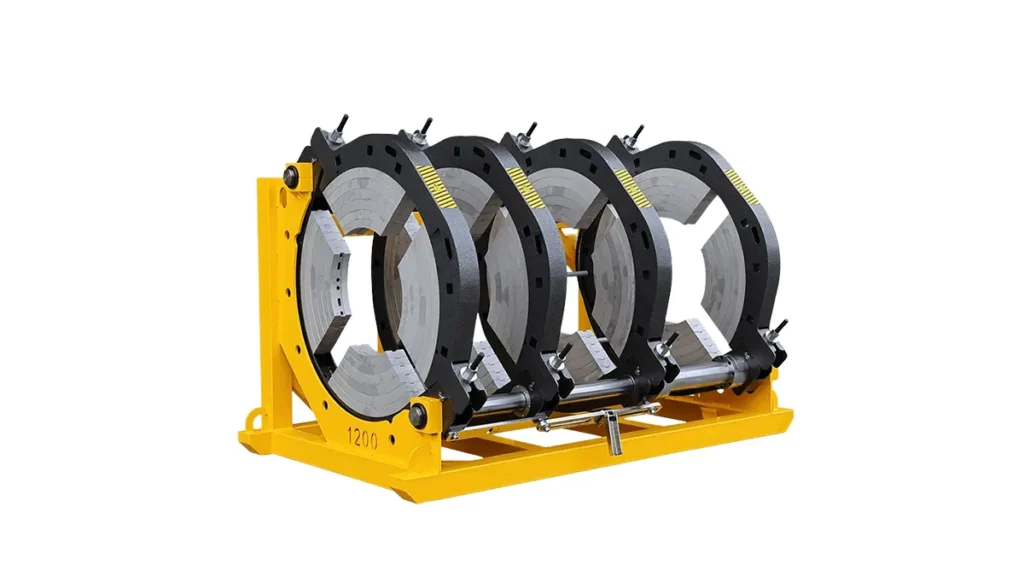
High-density polyethylene (HDPE) pipe welding machines are essential for building durable, leak-free pipeline systems across water, gas, mining, and industrial sectors. This article outlines reliable factory-grade solutions for butt fusion, electrofusion, and multi-angle fittings — helping project managers, contractors, and procurement teams choose machines that meet safety, efficiency, and long-term performance goals.
Factory Capabilities and Production Standards
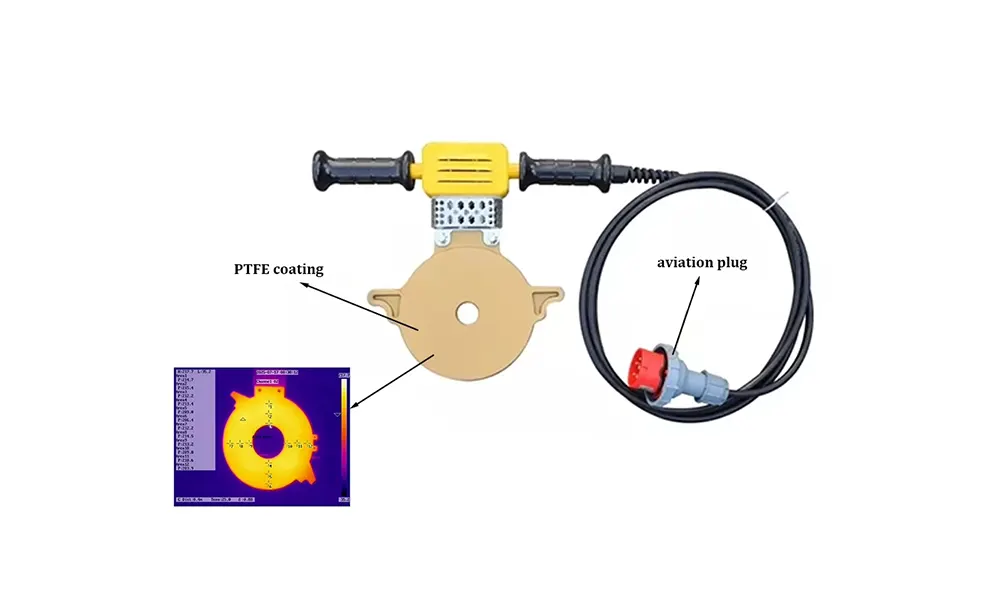
Top HDPE pipe welding machine factories combine precision machining, rigorous quality control, and modular design to deliver machines that are easy to maintain and can endure heavy use on-site. Look for manufacturers that provide manual, hydraulic, and CNC automatic butt fusion machines with clear production traceability, calibrated heating plates, and robust clamping systems.
Key Product Types
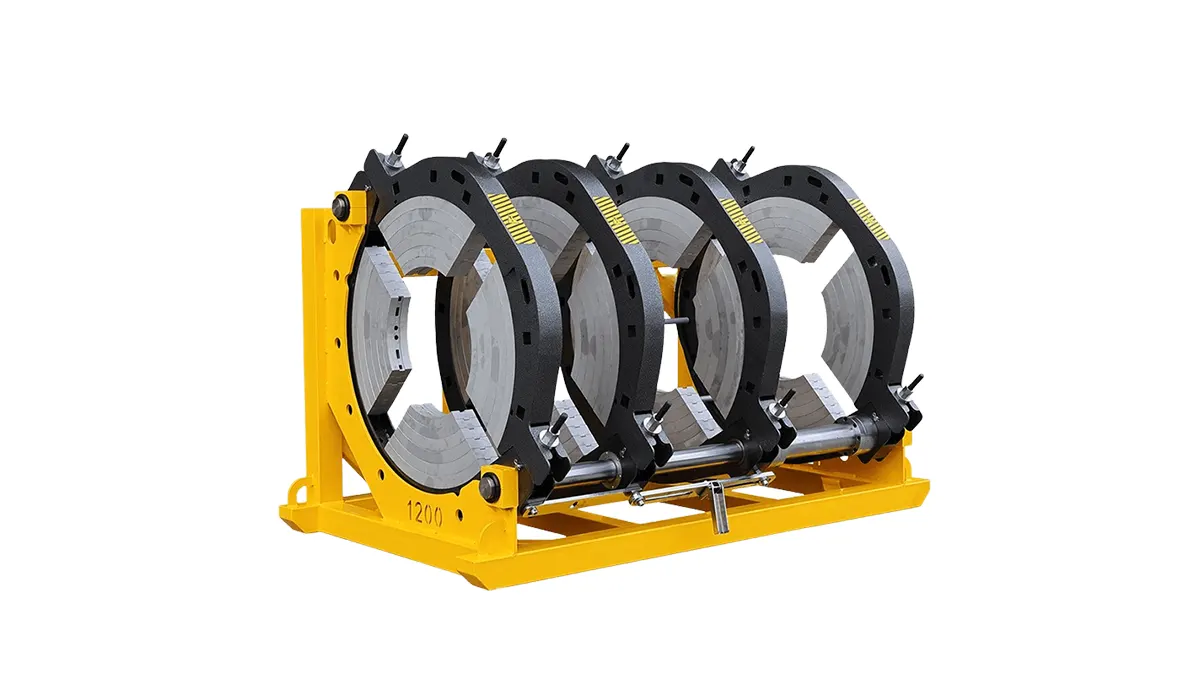
Manual Butt Fusion Machines: Compact, affordable, and ideal for small-diameter pipes and remote sites. They are simple to operate and maintain.
Hydraulic Butt Fusion Machines: Provide higher clamping force for medium to large diameter pipes, faster cycle times, and improved weld consistency.
Automatic/CNC Butt Fusion Machines: Deliver precision control of heating, alignment, and pressure for critical long runs and large-diameter installations.
Selecting the Right Machine for Your Project
Choosing the right machine depends on pipe diameter, material grade (HDPE PE80/PE100), job scale, and site conditions. Smaller crews may prefer manual units for flexibility, while large contractors benefit from automated machines that minimize human error and speed up production.
Considerations for Procurement
– Pipe size range and maximum pressure rating.
– Machine portability and ease of transport for remote job sites.
– Local service availability and spare parts lead time.
– Compliance with relevant welding standards and certifications.
Performance & Technical Specifications (Typical)
| Model | Type | Pipe Size Range | Ideal Use |
|---|---|---|---|
| JQH160 / Typical | Hydraulic | 63–160 mm | Urban water & gas mains |
| JQMA630 / Typical | Automatic | 250–630 mm | Large-scale distribution networks |
| JQSY-2M / Typical | Manual | 20–225 mm | Rural installations & repairs |
Quality Control & Certifications
Reliable factories implement standardized testing for heating plate temperature uniformity, clamp strength, and cycle repeatability. Certificates like ISO and third-party weld validation reports are strong indicators of consistent quality. Ask for calibration records and sample weld test results before purchase.
On-Site Efficiency and Best Practices
Efficient operation reduces downtime and rework. Key best practices include: proper surface preparation and alignment, using calibrated heating plates, following prescribed heating and cooling times, and documenting weld records for traceability. Training operators on machine-specific controls can significantly improve yield and safety.
Maintenance Tips
– Keep heating plates clean and protected when not in use.
– Lubricate moving parts as recommended in the manual.
– Store hydraulic fluids and spare parts on-site when feasible to reduce delays.
– Schedule periodic calibration for temperature and pressure sensors.
After-Sales Support & Spare Parts
Strong after-sales support includes timely spare part shipment, remote troubleshooting, and operator training. Prioritize suppliers that offer clear warranty terms, maintenance kits, and access to technical documentation.
About the Manufacturer
JQ-Fusion is a professional manufacturer specializing in HDPE pipe welding machines and offers a range of manual, hydraulic, and automatic butt fusion solutions for infrastructure projects worldwide.
Final Checklist for Buyers
– Confirm pipe size compatibility and material grade.
– Verify factory testing and certifications.
– Ensure local support for spare parts and service.
– Compare total cost of ownership, not just the purchase price.
Get Started
Investing in the right HDPE pipe welding machine ensures safer, faster, and more reliable pipeline installations. Evaluate factory capabilities, product range, and service offerings carefully to match machines to your project needs.



