
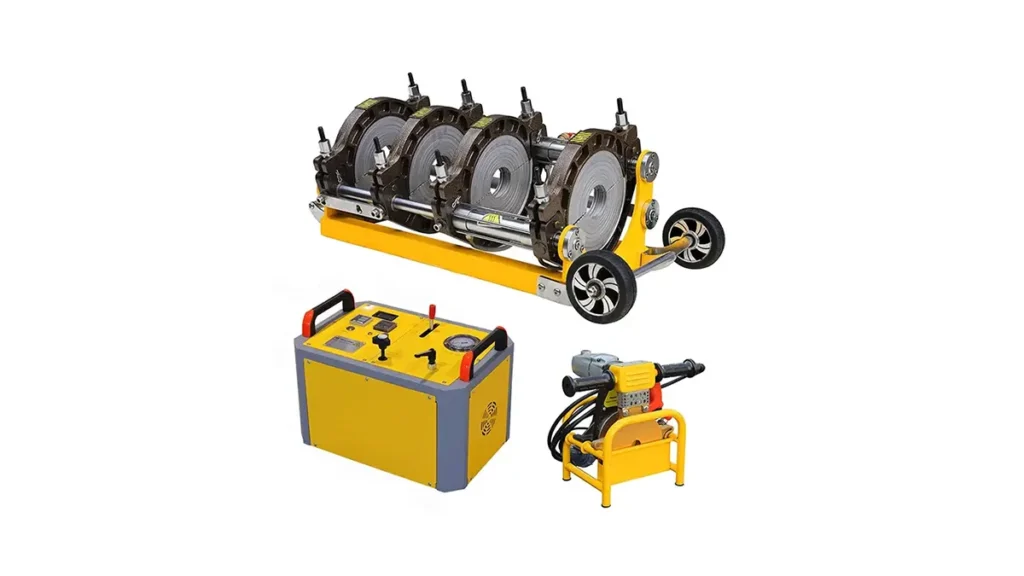
Choosing the right pipe welding machine factory in Pakistan can make or break your infrastructure project. From municipal water supply lines in Lahore to irrigation networks in Sindh and gas distribution systems in urban centers, Pakistani contractors and engineers need reliable HDPE welding equipment that performs in hot climates, dusty sites, and variable power conditions.
What Pakistani buyers need to consider
Durability, local support, and compatibility are top priorities. Projects in Pakistan often require machines that handle a wide diameter range, from small service pipes (e.g., 63–160 mm) up to large trunk mains (up to 2000 mm). Machines must also be serviceable locally and comply with common international pipe standards used in the country.
Common welding types and when to use them
Manual butt fusion – ideal for small budgets and rural fieldwork where portability and simplicity matter.
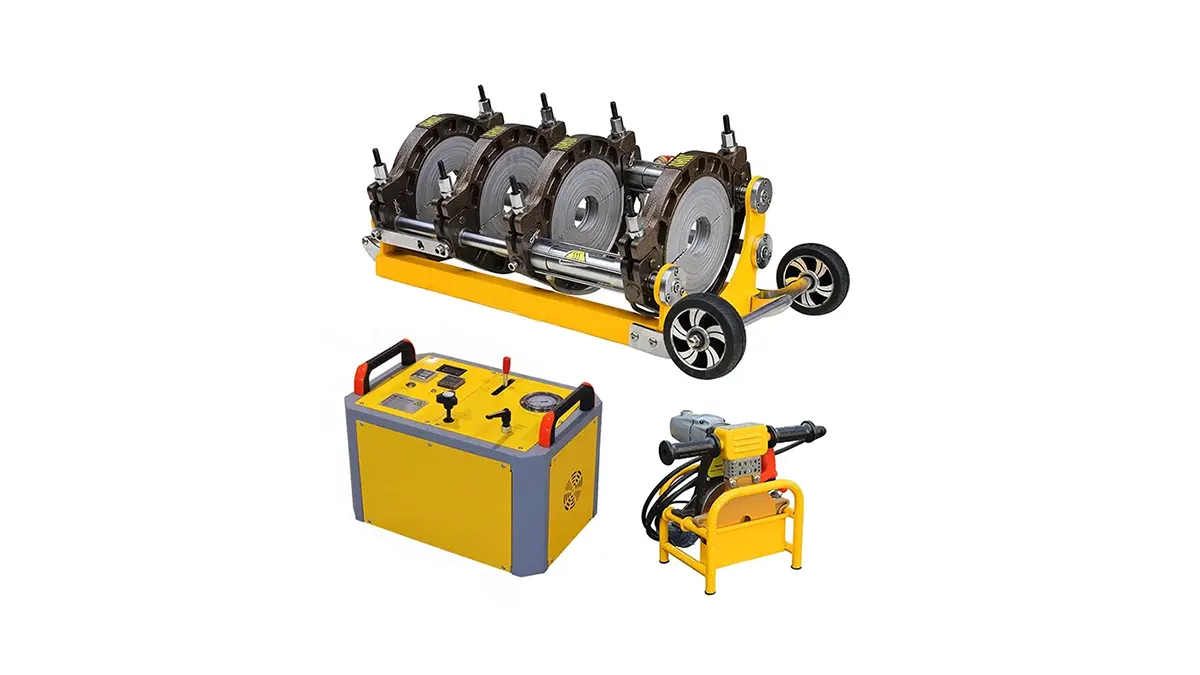
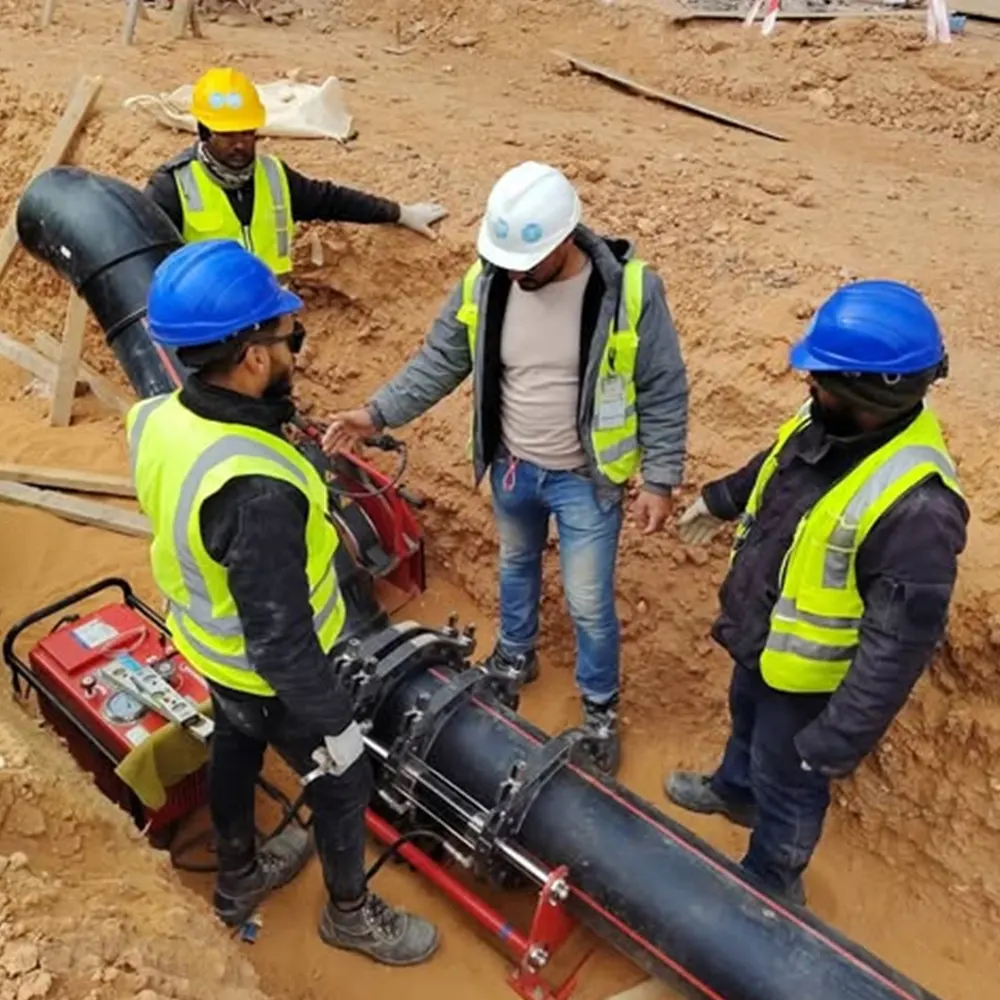
Hydraulic butt fusion – preferred for medium to large diameters on construction sites and municipal projects for consistent pressure and control.
Automatic/CNC butt fusion – best for high-volume projects or factory settings where precision, traceable weld records, and repeatability are required.
Electrofusion – used for fittings, repair works, and places where a no-heat solution or complex joint geometry is needed.
At-a-glance comparison table
| Machine Type | Diameter Range | Best For | Typical Cost Level |
|---|---|---|---|
| Manual Butt Fusion | 20–315 mm | Rural sites, small contractors | Low |
| Hydraulic Butt Fusion | 63–2000 mm | Municipal & industrial projects | Medium |
| Automatic / CNC | 63–1000+ mm | High-volume, precision work | High |
| Electrofusion | 20–630 mm (fittings) | Repairs, fittings, complex joints | Medium |
How to evaluate a pipe welding machine factory for Pakistani projects
1. Local spare parts and service: Verify lead times for consumables and whether technicians or training can be provided in Pakistan.
2. Performance in local conditions: Ask for evidence of machines used in hot, dusty or high-humidity environments and any required site preparation.
3. Certification and traceability: Make sure welding machines support traceable weld logs (important for municipal contracts) and comply with ISO/EN/ASTM where applicable.
4. Range and flexibility: Choose a factory that produces manual, hydraulic, and automatic options so you can match machines to different job scales.
Cost vs. long-term value
A low initial price can be tempting, but in Pakistan consider lifecycle costs: downtime, replacement parts, technician visits, and the machine’s fuel/electric demands. Investing in a reliable factory with good technical support often reduces overall project risk and delivers better value.
Recommended action for procurement teams in Pakistan
Request a site demo or video of the machine operating on real PE pipes, ask for references from projects in similar climates, and confirm warranty terms and spare-part availability. For tailored solutions covering manual, hydraulic and automatic butt fusion machines, consider contacting JQ-Fusion for product details and export support: https://jq-fusionwelding.com/
Final tip: Match machine type to your typical job size—portable manual units for local repairs, hydraulic for large mains, and CNC/automatic units for factory-quality, repeatable welds used in major Pakistani infrastructure programs.



