
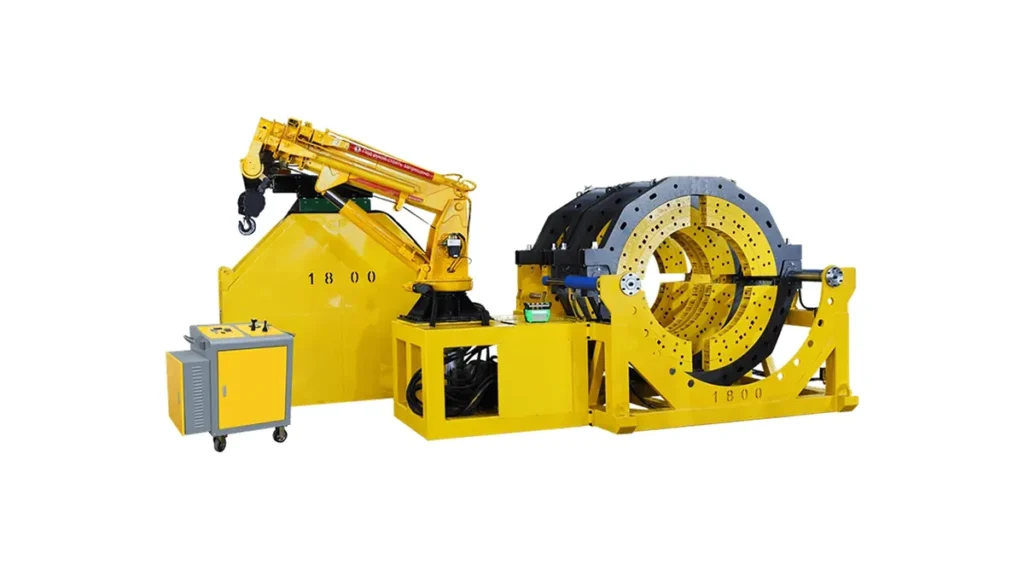
Estonia’s expanding infrastructure projects demand durable, precise, and weather-resistant pipe joining solutions. For contractors, utilities, and municipal teams working on water, gas, and district heating networks across Estonian cities and rural areas, choosing the right butt welding equipment is critical to ensure long-term pipeline integrity and efficient installation in cold climates.
Reliable Butt Fusion Solutions for Estonia’s Climate
Butt fusion welding of HDPE pipes is widely accepted in Estonia because it creates homogeneous, leak-free joints that withstand ground movement and freezing cycles. Whether you’re installing distribution lines in Tallinn or long-range irrigation and drainage systems in agricultural regions, selecting machines with proven performance in low temperatures reduces rework and minimizes downtime.
Types of Butt Welding Machines — Choose What Fits Your Project
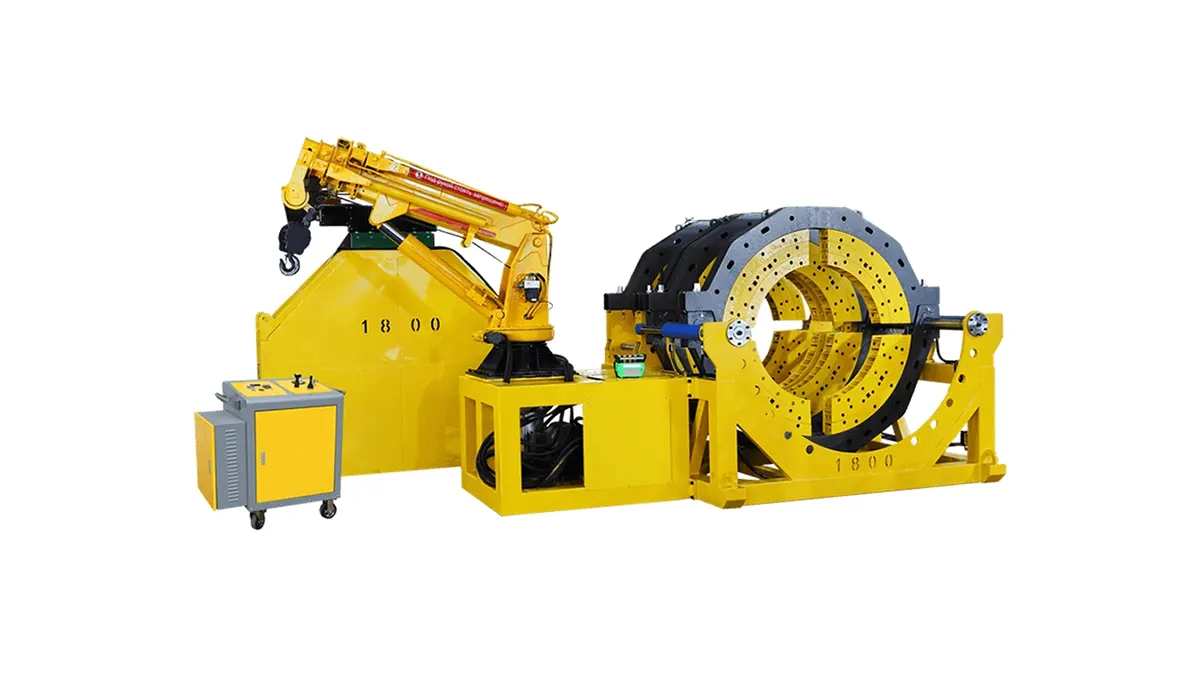
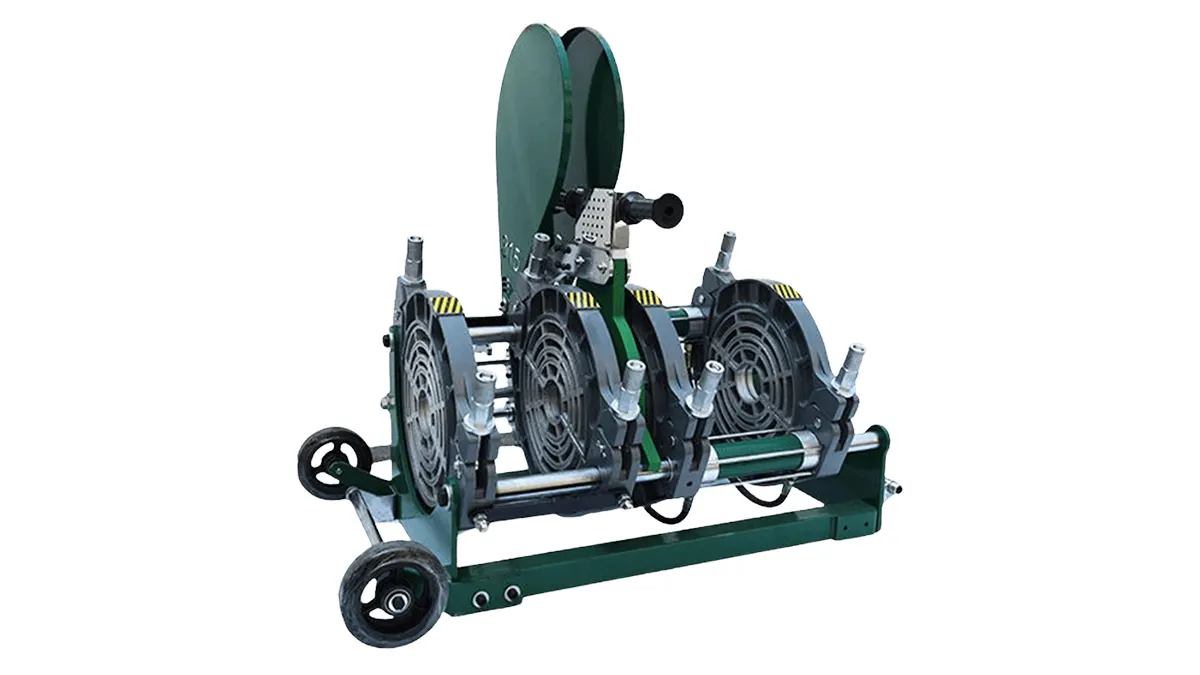
Different projects call for different equipment. Small repair crews and installers often prefer compact manual units for portability, while pipeline contractors building medium to large networks prioritize hydraulic or CNC automatic systems for precision and repeatability. For Estonian projects where weather and working conditions vary, rugged hydraulic frames and protected controllers are especially valuable.
Quick Comparison Table: Machine Types at a Glance
| Machine Type | Size Range | Best For |
|---|---|---|
| Manual Butt Fusion | 20mm–630mm | Repair, small-scale installations |
| Hydraulic Butt Fusion | 160mm–2250mm | Large pipelines, cold-weather reliability |
| CNC Automatic Butt Fusion | 63mm–1600mm+ | High-volume, precision-controlled welding |
Performance Features to Prioritize
When sourcing equipment for Estonian projects, look for machines with robust clamping aluminum or steel frames, precise temperature control, and clear weld documentation features. Portability combined with a reliable hydraulic station helps crews work efficiently in remote sites or narrow urban corridors. For municipal procurement and contractors pursuing EU-funded projects, traceable weld records and calibrated controllers are often required.
Why Estonian Buyers Choose Proven Manufacturers
Quality assurance, spare parts availability, and responsive technical support are decisive factors for buyers in Estonia. Investing in equipment that reduces welding errors and simplifies operator training brings faster project completion and lower lifecycle costs. For organizations seeking established suppliers, JQ-Fusion provides a wide range of manual, hydraulic, and automatic butt fusion machines tailored for infrastructure, mining, gas, and water systems worldwide.
Practical Tips for Local Deployment
Plan for winter-friendly procedures: pre-warming plates, sheltered weld sites, and battery-backed controllers help maintain weld quality when temperatures drop. Ensure operators are certified in butt fusion standards relevant to Estonia and the EU to meet compliance and guarantee joint performance under municipal inspections.
Next Steps for Procurement and Support
Assess project pipe diameters and throughput to select the right machine class. Request demonstration videos, calibration certificates, and a spare parts plan to avoid delays during installation seasons. Consider lifecycle service agreements to keep equipment performing reliably across multiple projects.
Ready to evaluate machines for your Estonian pipeline project? Contact your supplier for technical sheets, cold-weather recommendations, and delivery timelines to match seasonal work windows.



