
Choosing the best HDPE welding machine company in the Philippines means balancing performance, local support, and cost. Contractors, municipal water authorities, and infrastructure developers across Luzon, Visayas, and Mindanao need reliable butt fusion and electrofusion equipment that performs in tropical climates, remote job sites, and tight urban spaces. This guide helps buyers compare machine types, key features, and purchasing tips tailored to the Philippine market.
Why HDPE Welding Matters for Philippine Projects
Durability and corrosion resistance make HDPE pipelines a top choice for water distribution, irrigation, and gas networks across the Philippines. Proper fusion welding ensures leak-free joints that withstand seismic activity, seasonal flooding, and long-term UV exposure common in the region. For contractors working on government tenders or private developments, machine reliability translates into faster project timelines and lower lifecycle costs.
Common Applications in the Philippines
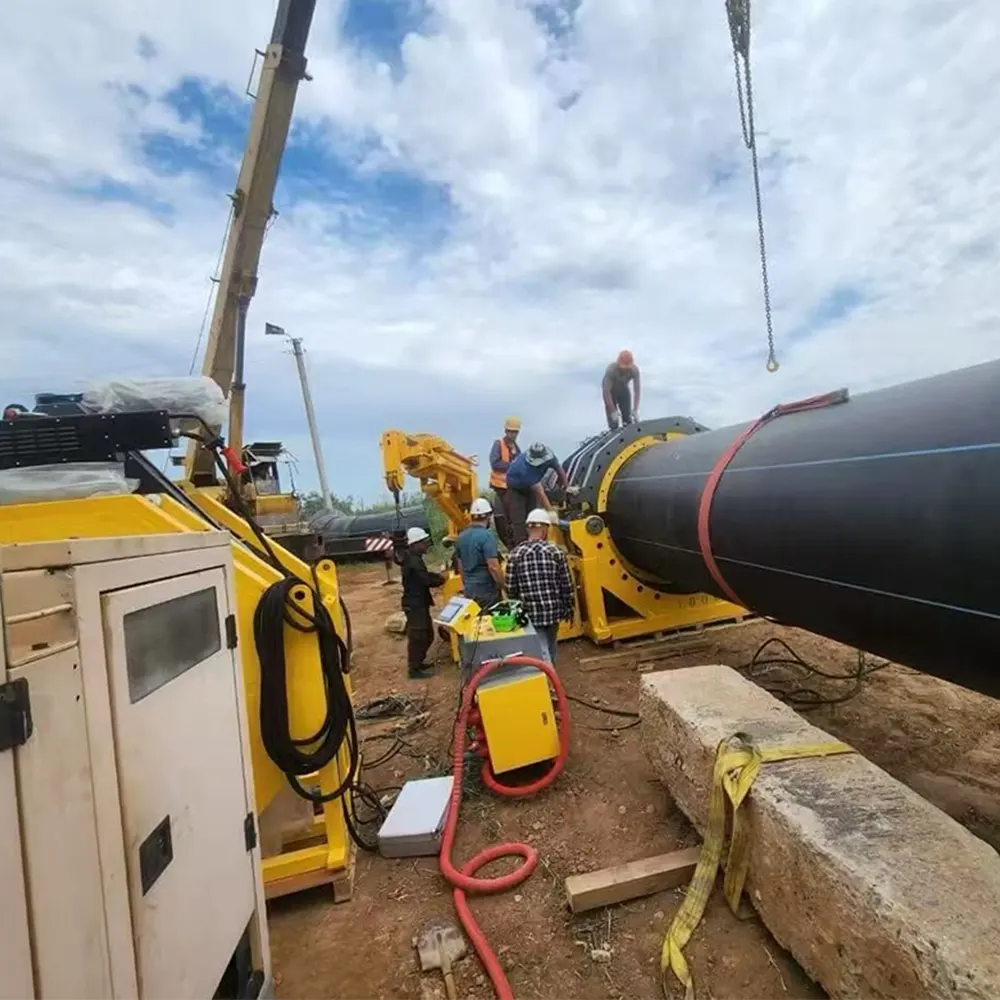
Municipal water networks, irrigation systems in agricultural provinces, mining tailing pipelines in Palawan and Mindanao, and new residential subdivisions all rely on HDPE welding. Portability and easy operation are advantages when working across islands and rugged terrain.
Main Types of HDPE Welding Machines
Understanding machine types helps match equipment to project scale and crew skill levels.
Manual Butt Fusion
Best for small-to-medium diameter pipes (typically up to 315mm). Manual rigs are compact, cost-effective, and easy to maintain—good for rural barangay projects and small contractors.
Hydraulic Butt Fusion
Designed for medium to large diameters and repetitive on-site welds. Hydraulic units provide consistent pressure and faster cycle times for municipal and industrial projects.
Automatic/CNC Butt Fusion
Automatic machines are ideal for high-volume, precision-driven pipeline installations. They reduce operator variability and support strict QA/QC for large infrastructure contracts.
What Filipino Buyers Should Prioritize
When evaluating machines, prioritize features that address local conditions.
- After-sales support & training: Local or regional technical support and operator training is essential for consistent weld quality.
- Spare parts availability: Fast access to heating plates, clamps, and hydraulic components reduces downtime on island jobs.
- Power and portability: Consider diesel or battery options if grid power is unreliable at remote sites.
- Weather and corrosion resistance: Machines and control units should resist humidity and salt-air corrosion in coastal projects.
- Certifications and welding control: Look for units with digital controls and traceable weld logs for government tenders.
Quick Comparison: Machine Types at a Glance
| Machine Type | Pipe Range | Best For | Key Benefit |
|---|---|---|---|
| Manual Butt Fusion | Ø20 – Ø315 mm | Small contractors, rural works | Low cost, portable |
| Hydraulic Butt Fusion | Ø160 – Ø1600 mm | Municipal & industrial pipelines | Consistent pressure, faster cycles |
| Automatic/CNC | Ø63 – Ø2250 mm | Large infrastructure & factory production | High precision, traceable weld records |
How to Choose a Reliable Supplier in the Philippines
Follow a practical evaluation process:
- Inspect local references: Ask for recent Philippine project case studies or distributor contacts.
- Test training & warranty: Confirm operator training availability and warranty terms that cover island logistics.
- Check customization: Ensure adapters and clamps match the pipe materials and sizes you use.
- Get sample weld reports: Request example weld logs to verify the machine’s QA capabilities.
About the Manufacturer
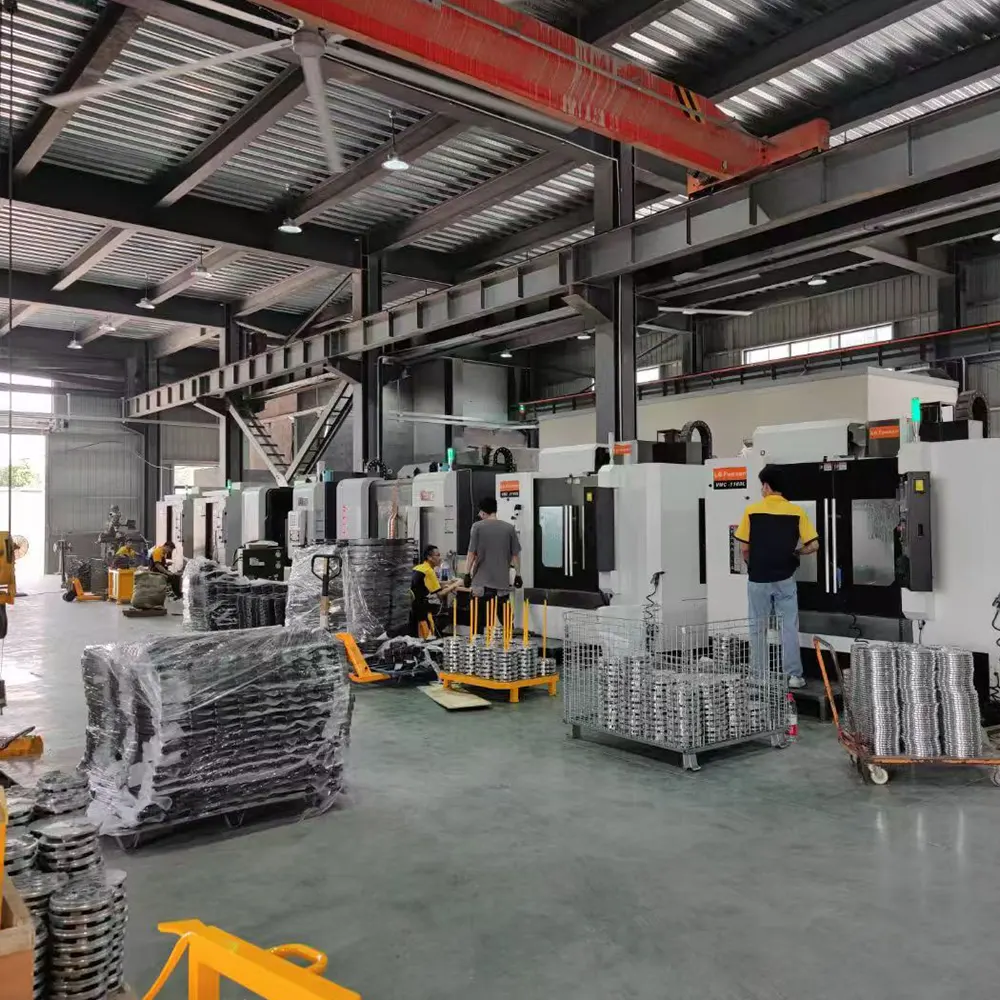
JQ-Fusion is a professional manufacturer specializing in HDPE pipe welding machines, providing a full range of manual, hydraulic, and automatic butt fusion equipment to support water, gas, mining, and industrial pipeline projects worldwide.
Final Buying Tips for Filipino Projects
For best long-term value, pair the right machine class with a supplier that provides training, rapid spare parts shipments to major Philippine ports, and clear documentation for tender compliance. Investing in digital weld-control systems and verified training reduces rework and speeds project completion—critical in the archipelago’s fast-moving construction market.
Next step: shortlist machines by type and request on-site demo or a pilot weld to validate performance under local conditions before placing larger orders.



