
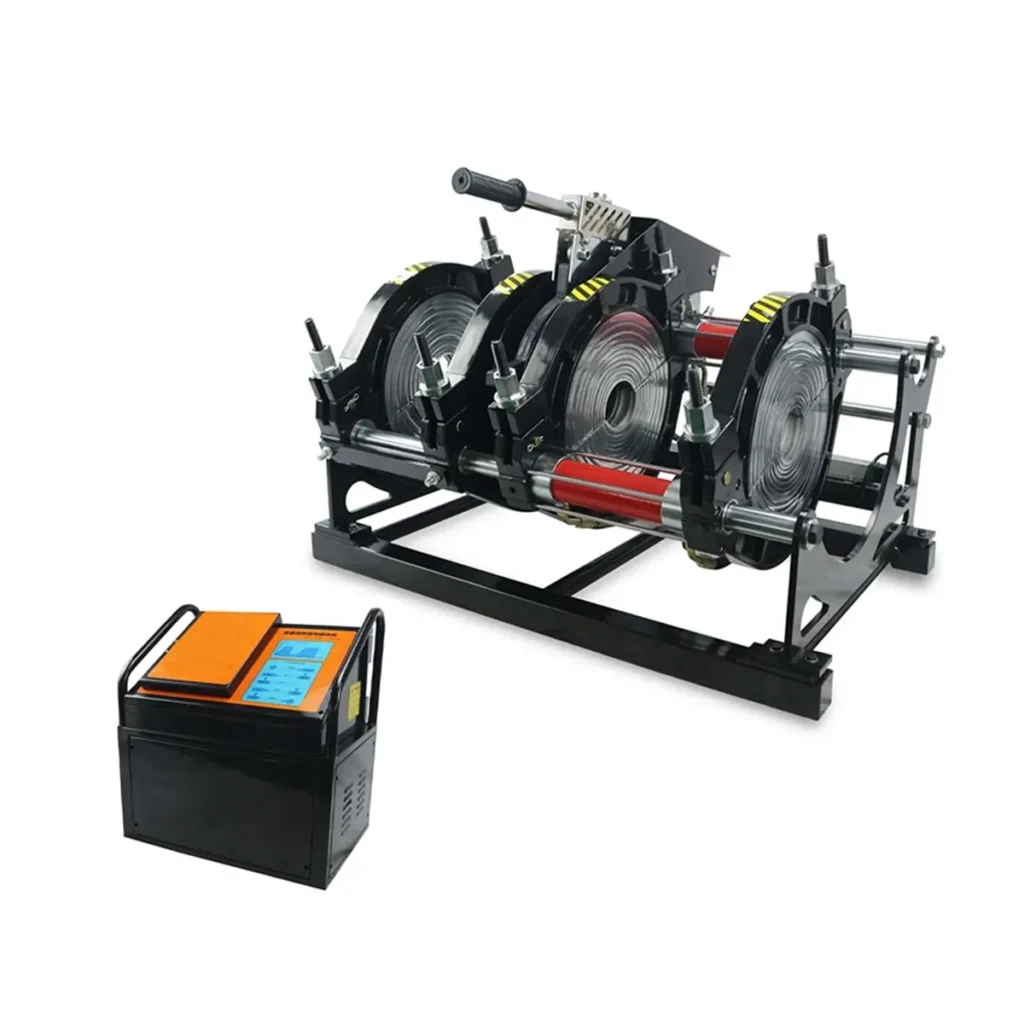
The electric fusion pipe welding machine is a cornerstone tool for modern HDPE pipe joining, delivering consistent, leak-free connections for water, gas, mining, and industrial pipelines. This guide explains how electric fusion and butt fusion technologies work, compares common machine types, and offers practical tips to maximize welding efficiency and on-site safety.
What Is an Electric Fusion Pipe Welding Machine?
Electric fusion pipe welding machines use heat and controlled pressure to join thermoplastic pipes such as HDPE, PP, and PE. The process creates a molecular bond between pipe ends, producing joints that are as strong as the pipe material itself. Electric heating elements and precise control systems allow operators to follow standardized temperature and timing profiles for repeatable results.
Key Advantages
Using an electric fusion system brings several benefits: improved weld quality, faster cycle times compared with manual heating, and better process control for critical infrastructure projects. For contractors focused on long-term performance and reduced rework, electric fusion machines are often the preferred choice.
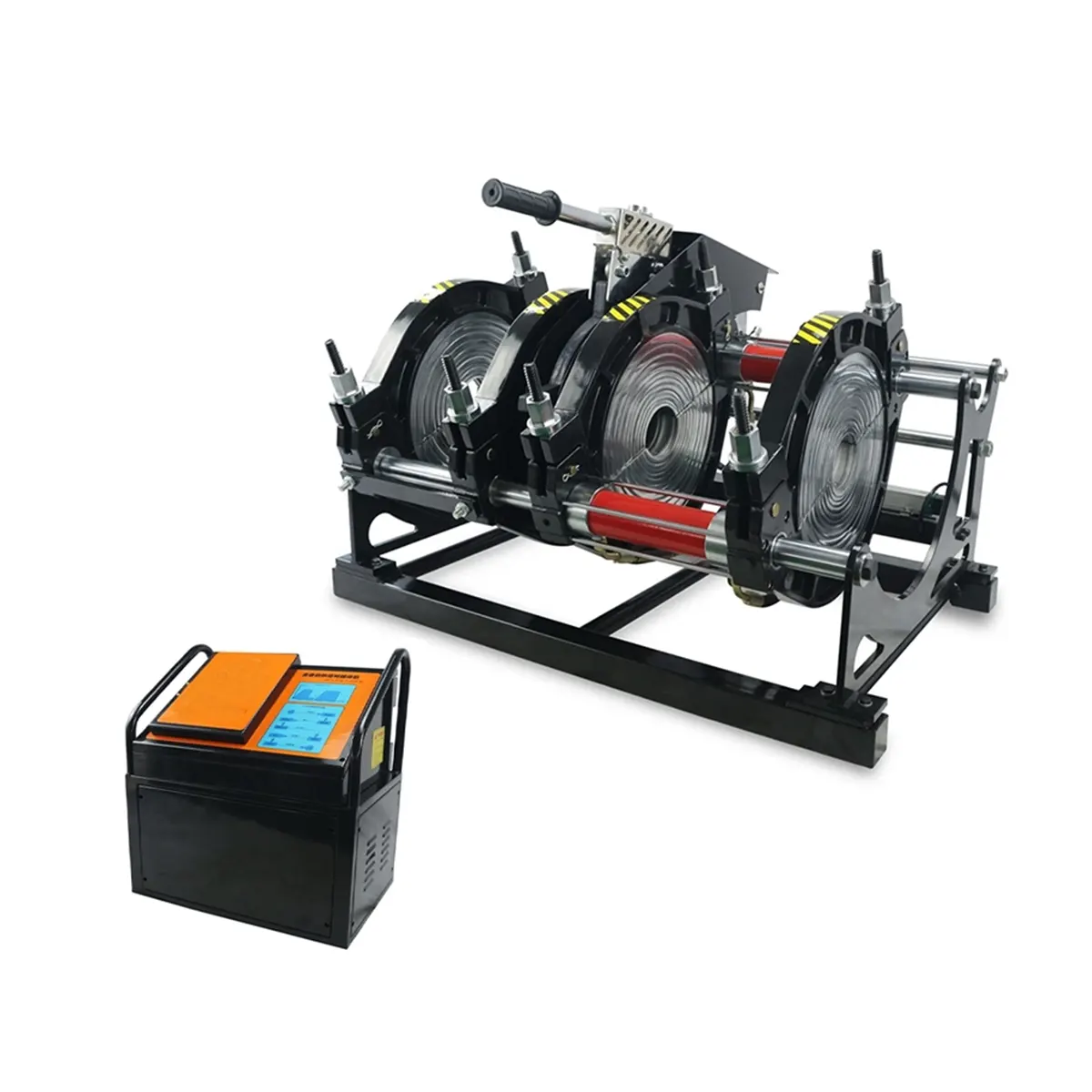
Types of Fusion Machines
Manual Butt Fusion
Manual units are portable, economical, and ideal for small-diameter work and remote sites. They require skilled operators to control alignment, heating, and pressure manually.
Hydraulic Butt Fusion
Hydraulic systems add controlled clamping and pressure application, improving consistency for medium to large diameter pipes and reducing operator fatigue during long runs.
Automatic/CNC Butt Fusion
Automatic machines automate the entire welding cycle—alignment, heating, upsetting and cooling—ensuring reproducible weld parameters across repetitive tasks and large-scale projects.
Electrofusion
Electrofusion fittings use embedded heating elements inside fittings to fuse pipes. They are commonly used for repair work, complex joints, or where welding equipment access is limited.
Typical Welding Workflow
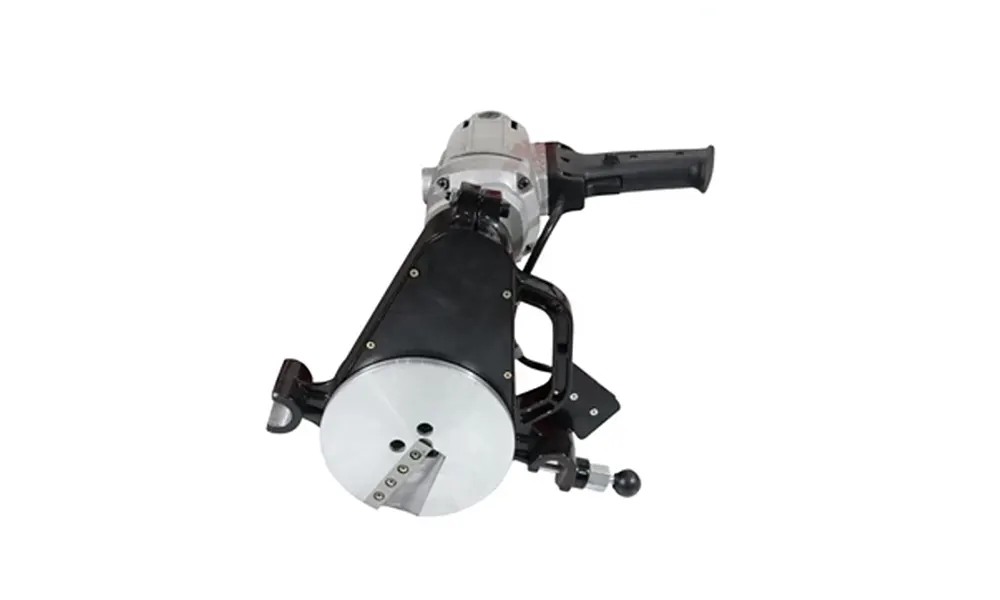
A standard electric butt fusion cycle follows these core stages: alignment and clamping, facing (trimming) pipe ends, heating to the specified temperature, joining with controlled force, and cooling under pressure. Adhering to recommended parameters—temperature, pressure, and time—ensures a high-quality molecular bond.
On-Site Tips for Consistent Results
-
Verify ambient conditions and adjust weld times according to manufacturer recommendations when temperatures vary.
-
Keep heating plates and face tools clean and undamaged to avoid surface contamination.
-
Record welding parameters for traceability and QA: machine type, temperature, pressure, and cycle duration.
Machine Comparison (Quick Reference)
| Machine Type | Typical Pipe Range | Power Source | Best Use |
|---|---|---|---|
| Manual Butt Fusion | 20mm–315mm | Electric/Portable generator | Small jobs, remote locations |
| Hydraulic Butt Fusion | 63mm–2250mm | Electric/Hydraulic pump | Large pipelines, frequent welds |
| Automatic/CNC Butt Fusion | 63mm–1600mm+ | Electric | High-volume, precision projects |
| Electrofusion | 20mm–630mm (fitting limits) | Electric | Repairs, complex junctions |
Safety and Quality Control
Operator training and routine maintenance are critical. Use certified electrodes or heating plates, monitor cooling times, and inspect bead formation. Non-destructive testing and visual inspection protocols help catch defects early. For regulatory compliance, maintain weld logs and calibration records for measuring devices.
Choosing the Right Machine
Selection should be based on pipe diameter range, job volume, site mobility, and the level of automation required. For contractors seeking reliable supply and manufacturing support, consider established manufacturers offering after-sales service, spare parts, and training.
About the Manufacturer
JQ-Fusion provides a broad range of HDPE pipe welding machines—including manual, hydraulic, and CNC automatic butt fusion equipment—designed for infrastructure projects worldwide. Their product lines support small to very large diameters and come with production and service backing.



