
Choosing the best HDPE pipe welding machine company for projects in Rwanda requires balancing equipment reliability, local support, and suitability for common infrastructure uses such as rural water systems, urban distribution networks, and small-scale gas or irrigation pipelines. This guide helps Rwandan contractors, municipal engineers, and procurement teams pick the right machine and supplier for lasting, leak-free joints.
Why HDPE Welding Matters in Rwanda
HDPE pipe networks are increasingly popular across Rwanda for potable water, irrigation, and decentralized utilities because of HDPE’s corrosion resistance, long service life, and flexibility for uneven terrain. Proper butt fusion welding ensures joints are as strong as the pipe itself—critical in regions with rising development and remote installation sites. For planners working in Kigali, Musanze, Rusizi or rural districts, selecting machines that perform well in high temperatures, dusty environments, and on unpaved roads is essential.
Common HDPE Butt Fusion Machine Types
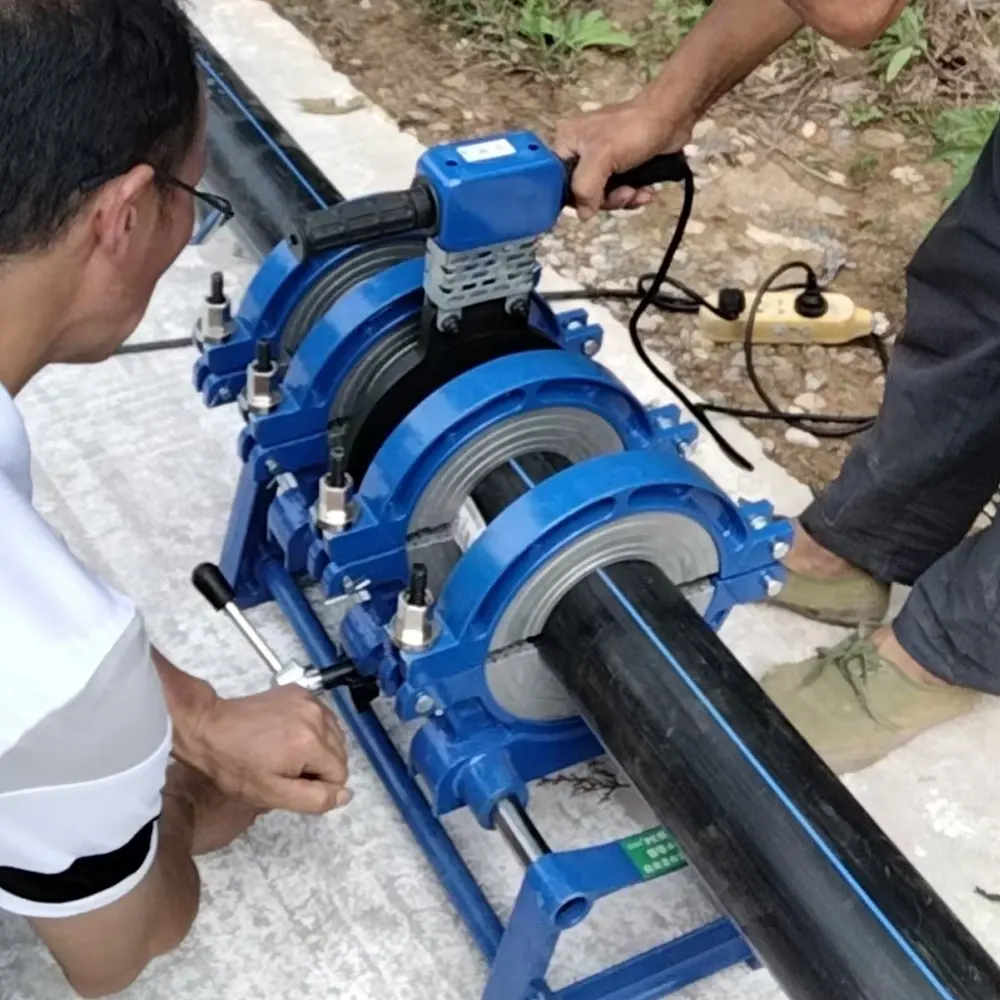
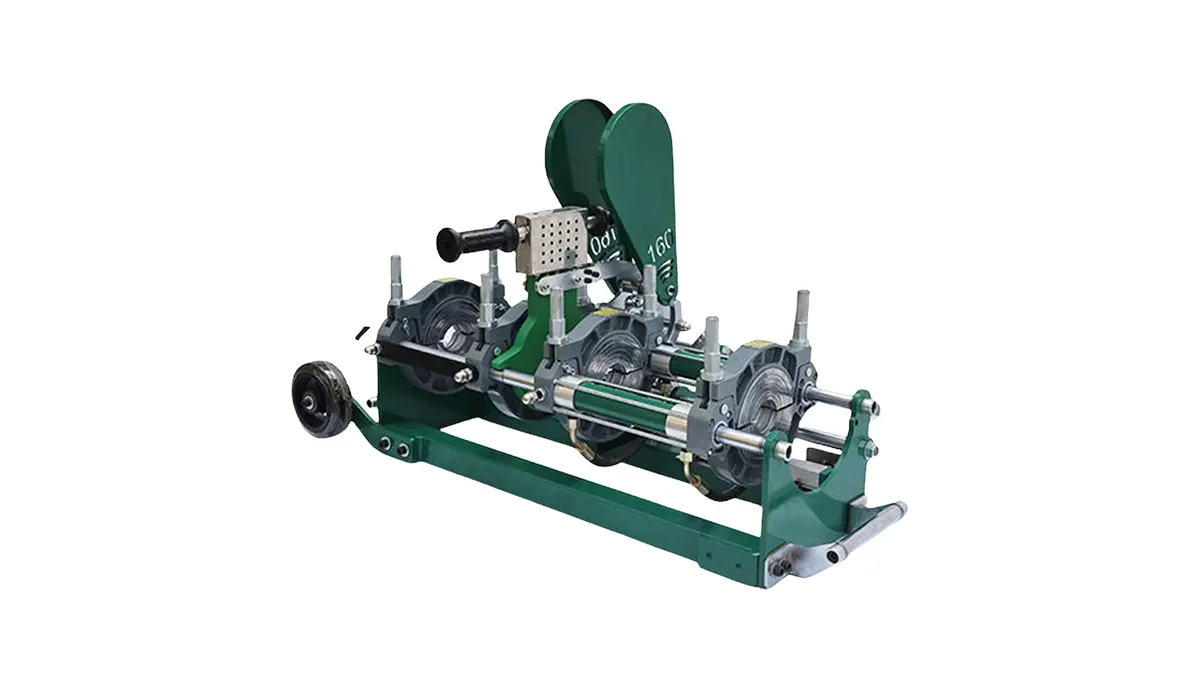
Manual machines are compact and cost-effective for small-diameter pipes and remote jobs. Hydraulic machines provide higher clamping force and are suited to medium and large diameters. Automatic (CNC) machines deliver repeatable weld cycles, digital control, and high throughput for larger infrastructure contracts.
Quick Comparison Table
| Machine Type | Best For | Pipe Range | Mobility / Cost | Typical Rwanda Use |
|---|---|---|---|---|
| Manual Butt Fusion | Small teams, repair jobs | 20mm – 630mm | High mobility / Low cost | Village water mains, repairs |
| Hydraulic Butt Fusion | Medium to large projects | 63mm – 1600mm | Moderate mobility / Mid cost | Urban mains, irrigation networks |
| Automatic / CNC Butt Fusion | High-volume, precision welding | 90mm – 2250mm+ | Lower mobility / Higher cost | Major utility and industrial pipelines |
What Rwandan Buyers Should Prioritize
- Local after-sales support: Fast access to spare parts, technicians, and training reduces downtime on remote sites.
- Training & Certification: Ensure suppliers provide operator training and welding procedure documentation suited to Rwandan standards and field conditions.
- Power & Transport: Confirm machine power needs (generator compatibility) and that frames or kits can be transported over rural roads.
- Warranty & Spare Parts: Clear warranty terms and regional stock for heating plates, cutters, and clamps are valuable for long projects.
- Flexibility: Machines that handle a wide pipe range and can be adapted for fittings reduce the number of devices needed for mixed-site work.
Manufacturer to Consider
JQ-Fusion is a professional manufacturer specializing in HDPE pipe welding machines—offering manual, hydraulic, and CNC automatic butt fusion machines across a wide pipe-size range and supporting projects in water supply, gas distribution, mining, and industrial piping. Their equipment is built for durability, customization, and backed by manufacturing QA and responsive service; more details are available at https://jq-fusionwelding.com/.
Practical Tips for Field Use in Rwanda
- Plan weld schedules around the hottest part of the day to avoid rapid cooling on hot surfaces or direct sun on heating plates.
- Use portable shelters for welding stations when working in rainy seasons to protect heating plates and welded joints.
- Keep a local inventory of consumables (electrofusion fittings if used, heating plates, trims) to avoid delays due to shipping time.
- Document each weld (operator, parameters, photos) for quality control—helpful for donor-funded or municipal projects requiring traceability.
Final Considerations
For most Rwandan applications, a combination of portable manual or hydraulic units for rural work and a reliable automatic unit for larger urban or industrial pipelines delivers the best balance of cost and performance. Prioritize suppliers that demonstrate strong product quality, field training capability, and fast part replacement to keep networks running smoothly.



