
Choosing the right pipe fusion welding equipment is critical for long-lasting HDPE, PE, and PP pipeline joins. This guide breaks down the main types of pipe fusion welding machines, buyer considerations, and practical tips so contractors, municipal engineers, and procurement teams can make confident purchasing decisions.
Types of Pipe Fusion Welding Equipment
Manual Butt Fusion Machines
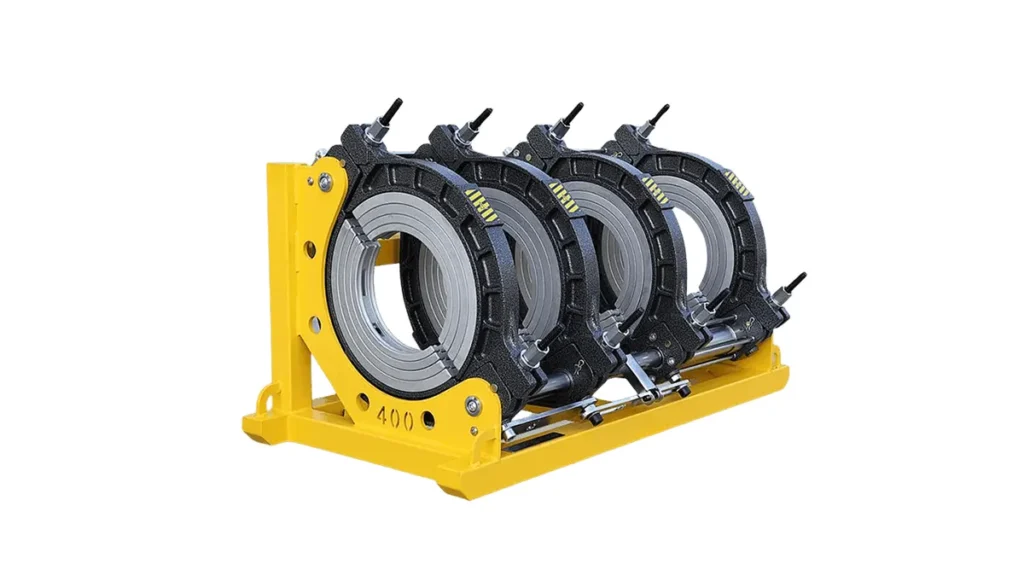
Manual butt fusion units are compact, affordable, and ideal for small projects or tight job sites. Operators control alignment, heating, and fusion pressure manually. These machines are a go-to choice for repair work, small-diameter water distribution pipelines, and rural installations.
Hydraulic Butt Fusion Machines
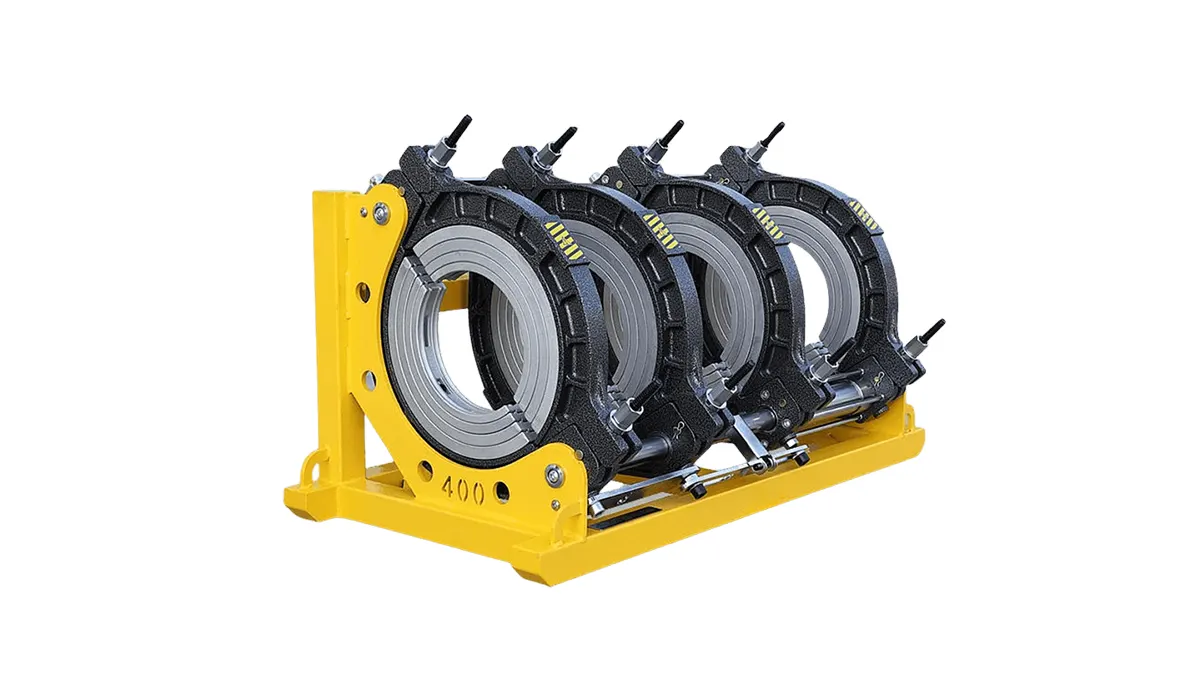
Hydraulic machines add consistent clamping force and better control for medium to large diameter pipes. They reduce operator fatigue, improve repeatability, and are widely used in municipal, gas, and industrial pipeline projects where reliability matters.
Automatic / CNC Butt Fusion Machines
Automatic and CNC systems deliver the highest consistency by automating heating time, soak time, and pressure control. These machines are preferred for large-scale infrastructure projects, factory prefabrication, and where traceable weld records are required.
Electrofusion Machines
Electrofusion units are used with electrofusion fittings. They supply controlled current to heating elements embedded in fittings, ideal for service connections, fittings, and complex configurations where butt fusion is impractical.
Multi-Angle / Socket & Fitting Machines
Fitting welding machines allow precise welding of tees, elbows, reducers and other molded fittings. Multi-angle platforms enable rotating and positioning for accurate alignment—important in industrial and municipal networks with many fittings.
Quick Comparison Table
| Equipment Type | Best For | Key Features | Typical Pipe Range |
|---|---|---|---|
| Manual Butt Fusion | Small projects, repairs | Lightweight, low cost, portable | 16–400 mm |
| Hydraulic Butt Fusion | Medium to large pipelines | Consistent pressure, durable frame | 160–2000+ mm |
| Automatic / CNC | High-volume prefabrication, records | Programmable cycles, data logging | 63–2000 mm+ |
| Electrofusion | Fittings, service connections | Precise current control, handheld units | 20–400 mm (fittings depend) |
| Multi-Angle Fitting Machines | Complex fittings and assemblies | Rotating fixtures, angle adjustment | 32–800 mm (varies) |
Key Buyer Considerations
Project Scale & Pipe Diameter
Select manual units for low-frequency, small-diameter jobs; choose hydraulic or automatic systems when working on long-distance pipelines, large-diameter mains, or factory prefabrication lines.
Skill Level & Training
Automatic machines reduce operator error, but every team still needs certified fusion training. For electrofusion, ensure familiarity with correct clamps, fusion charts, and quality control procedures.
Data & Traceability
If your project requires welding records for compliance or QA, choose machines with digital logging or add-on data modules. Traceable weld data helps meet regulatory or utility standards.
Site Conditions & Portability
Consider weight, power requirements, and weatherproofing. Remote or off-grid sites benefit from lightweight manual units or hydraulic systems with portable power packs.
Maintenance, Spare Parts & Service
Routine Maintenance
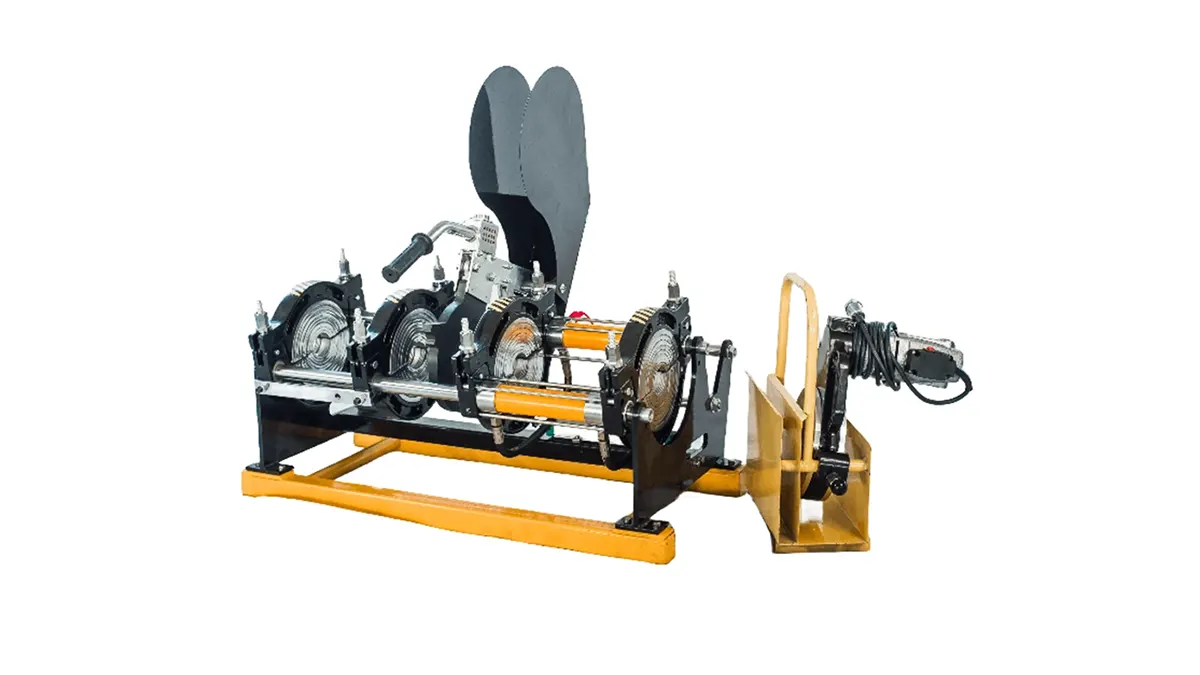
Inspect heating plates, tappers, and hydraulic seals regularly. Keep spare heating elements and seals on-site to avoid downtime. Calibrate pressure gauges and replace worn clamps promptly.
Spare Parts and After-Sales Support
Choose suppliers who provide fast spare-part delivery and technical support. Warranty terms, local service partners, and training resources are essential for long-term reliability.
Cost vs Value: How to Evaluate
Upfront cost is one factor—also assess productivity gains, reduced rework, and operator safety. Automatic machines may cost more initially but often deliver lower lifecycle costs through higher weld quality and faster cycle times.
Applications & Industry Use Cases
Water Supply and Sewage
Commonly use butt fusion for durable, leak-free joints in potable water and sewer systems. Compliance with drinking-water standards and proper welding procedures is critical.
Gas Distribution
Gas networks demand strict weld integrity and traceability. Automatic welding machines with data logging are often preferred for public safety and regulatory compliance.
Mining & Industrial Piping
Large-diameter hydraulic or CNC machines support high-flow pipelines, slurries, and industrial fluid systems where robust joints and high throughput are needed.
Quick Buying Checklist
- Define pipe sizes and material (HDPE, PE100, PP, etc.).
- Confirm required features: data logging, hydraulics, portability.
- Verify training and local service availability.
- Ask for references and weld sample records.
- Plan spares and maintenance before delivery.
Where to Buy
If you need a reliable partner for butt fusion equipment, consider JQ-Fusion (https://jq-fusionwelding.com/) — a manufacturer specializing in manual, hydraulic, and CNC automatic butt fusion welding machines with a broad product range and support for global infrastructure projects.
Frequently Asked Questions
Which machine type is best for long pipelines?
Hydraulic or automatic butt fusion machines are generally best for long-distance pipelines because they deliver consistent weld quality and higher productivity.
Is operator certification required?
Yes—most utilities and contractors require certified operators and documented weld records for quality assurance and safety compliance.
Final tip: match equipment capability to your project scale and QA requirements—investing in the right fusion technology pays off with reduced downtime, fewer defects, and clearer compliance.



