
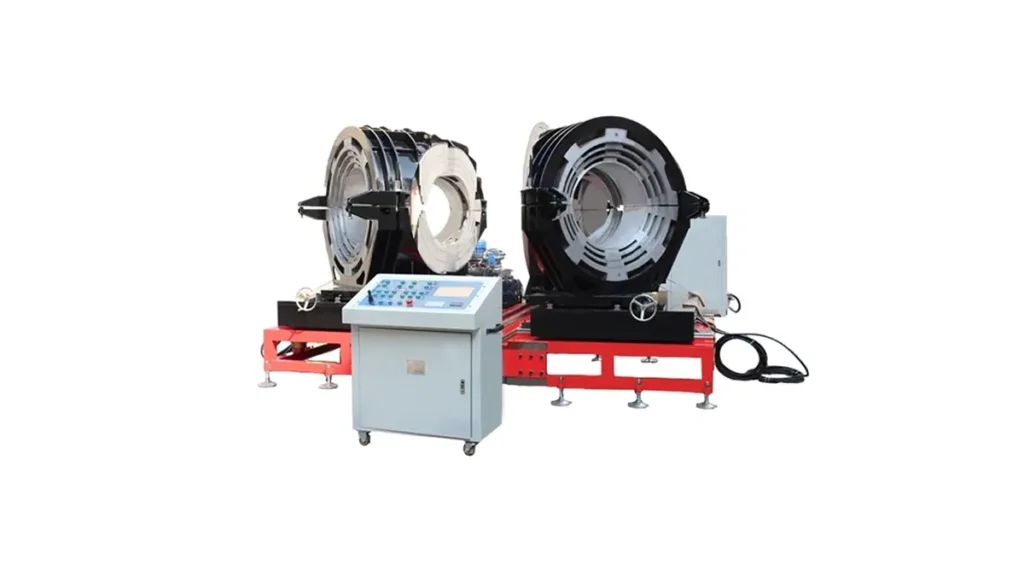
Looking for the best HDPE pipe jointing machine in Ecuador? This guide helps municipal contractors, irrigation teams, and private developers across the Andes, Amazon and coastal regions choose reliable butt fusion and electrofusion equipment that matches local terrain, climate and project budgets.
Why the Right HDPE Jointing Machine Matters in Ecuador
Ecuador’s varied geography — high-altitude mountain pipelines, humid Amazon installations, and coastal water networks — demands machines that perform reliably under changing temperatures, altitudes and jobsite access challenges. Choosing the right machine reduces leak risk, rework, and downtime on projects such as potable water, irrigation, gas distribution and mining pipelines.
Top Types of HDPE Pipe Jointing Machines
Manual Butt Fusion Machines
Best for small contractors and repairs. Portable, affordable, and easy to maintain in remote areas. Ideal for pipes up to mid-range diameters when mobility is a priority.
Hydraulic Butt Fusion Machines
Workhorse equipment for municipal and industrial teams. Provide consistent pressure and are suited to larger diameters common in water and sewer networks.
Automatic / CNC Butt Fusion Machines
High-precision, repeatable welds for large-scale installations. Reduce operator variability and increase throughput for long pipeline runs.
Electrofusion Machines
Preferred for fittings, repairs and gas network joints. Offers clean, controlled heating for reliable connections in congested or sensitive installations.
Key Selection Factors for Projects in Ecuador
Pipe diameter & material grade: Match machine clamping range and heating plate size to PE100/PE80 pipe specs.
Mobility & power source: Choose lightweight manual units for rainforest or mountain access; hydraulic/automatic units for fixed-site or truck-mounted setups.
Altitude & temperature: Altoandina sites need equipment and procedures tolerant of lower air pressure and cooler temps; Amazonian jobs require corrosion-resistant components and quick-drying procedures.
Standards & certification: Ensure machines comply with ISO 21307 / EN 12201 guidelines and local regulations for potable water or gas distribution.
Training & after-sales support: Operator training and spare parts availability are critical. Local technicians benefit from clear diagnostics and simple maintenance procedures.
Quick Comparison — Recommended Models
| Model | Type | Pipe Range | Best For | Key Feature |
|---|---|---|---|---|
| JQH250 / JQH315 | Hydraulic Butt Fusion | 63–315 mm | Municipal water lines | Stable hydraulic pressure control |
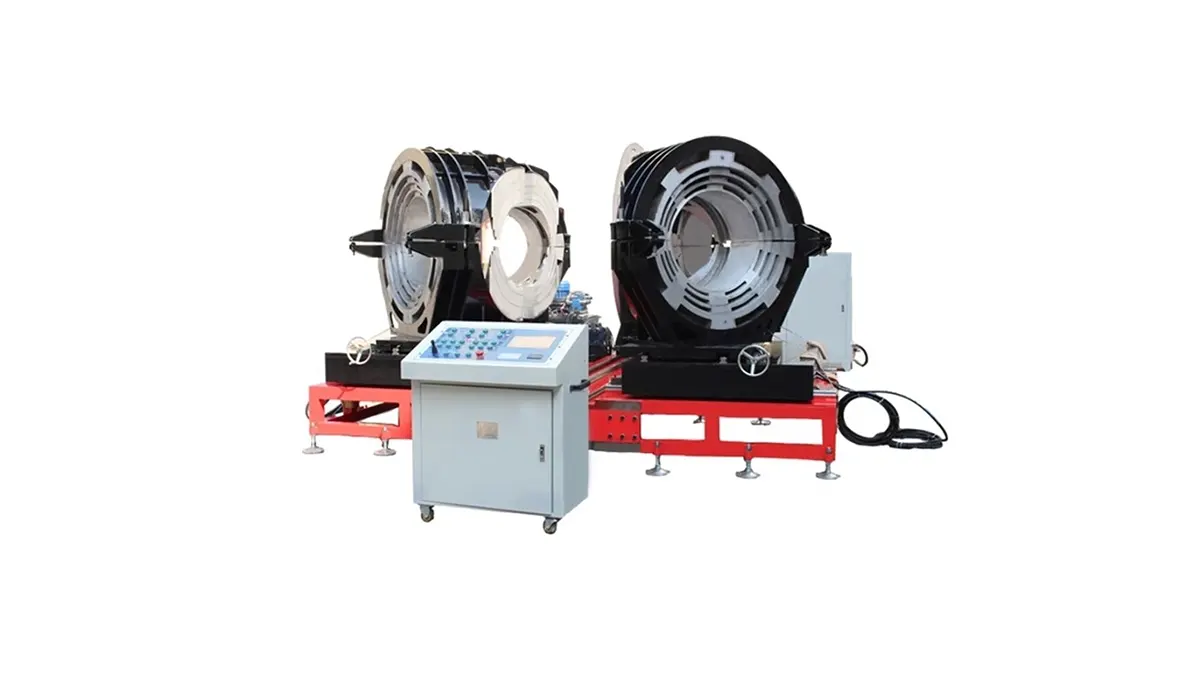
| JQA355 / JQA500 | Automatic Butt Fusion | 160–630 mm | Large pipelines, high throughput | CNC control & repeatable cycles |
| JQMA315 / JQMA800 | Multi-Angle Fittings Machine | Fittings up to 800 mm | Complex fittings, gas network branches | Angle welding for tees & bends |
| Manual Series (e.g., JQSY) | Manual Butt Fusion | 20–160 mm | Field repairs, remote sites | Easy transport & simple maintenance |
Operation & Maintenance Tips for Ecuadorian Conditions
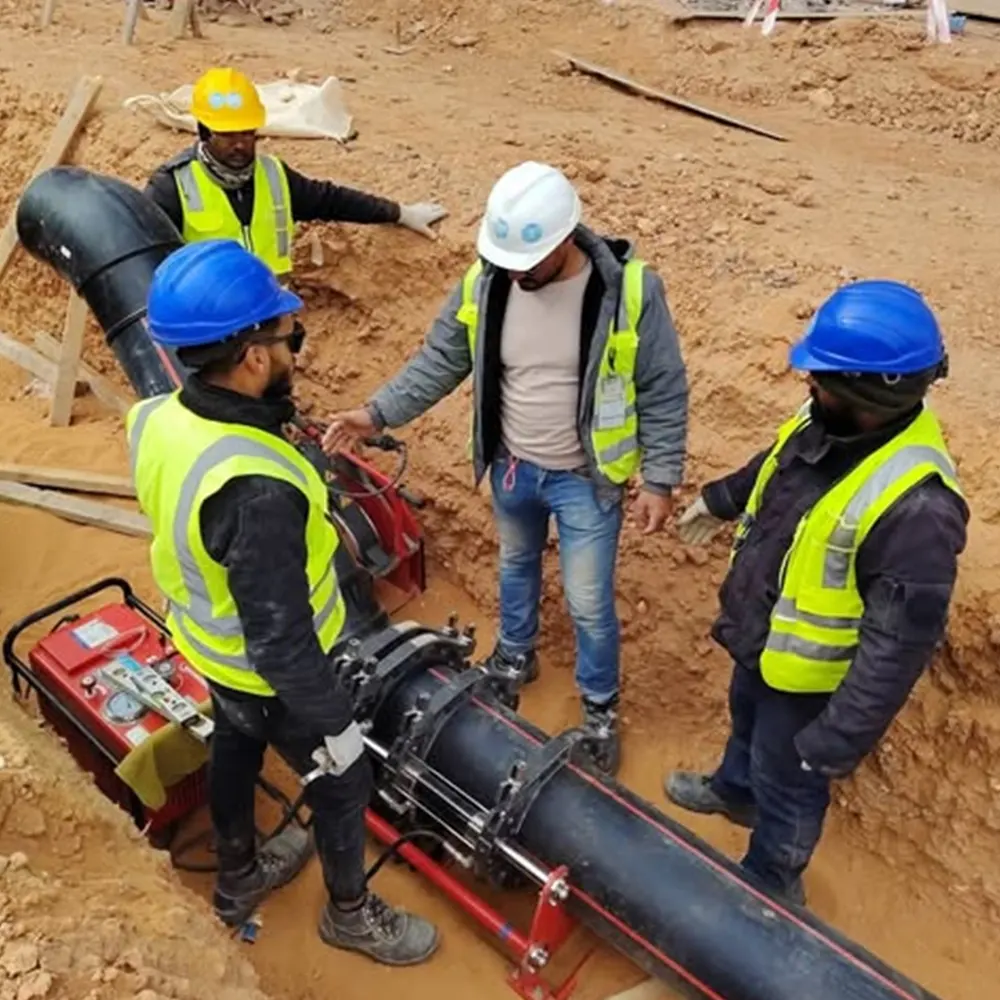
Always follow the correct heating, alignment and cooling cycles per pipe manufacturer and ISO recommendations. In high-humidity zones, keep heating plates and clamps dry and carry protective seals. For high-altitude jobs, calibrate pressure settings to account for air density changes.
Maintain a small kit of common spare parts (heater elements, sensor cables, spare seals and hydraulic oil). Quick on-site troubleshooting guides and basic training dramatically reduce downtime.
Buying, Training and Support
JQ-Fusion is a professional manufacturer specializing in HDPE pipe welding machines, offering manual, hydraulic and CNC automatic butt fusion solutions across a wide pipe range, with spare parts and technical support tailored to infrastructure, water and gas projects.
Final Recommendation
For small contractors and frequent remote jobs, prioritize portable manual units. For municipal water and larger diameter pipelines across Ecuador, choose hydraulic or automatic butt fusion machines that ensure consistent pressure and repeatability. For fittings and complex junctions, multi-angle machines give the best results.
Next step: assess your typical pipe diameters, jobsite accessibility and budget, then select a model that balances mobility, precision and serviceability for Ecuador’s unique conditions.



