
In Paraguay, safe and reliable gas pipeline installation demands skilled welders and proven joining technologies. From expanding urban networks in Asunción to remote agricultural and industrial sites across the Eastern Region and the Gran Chaco fringe, professional gas line welding reduces leak risk, improves longevity, and ensures compliance with local construction and safety practices.
Why Professional Gas Line Welding Matters in Paraguay
Gas distribution projects in Paraguay face a mix of urban density and long rural runs to farms, processing plants and communities. High-quality welding prevents methane and LPG leaks, minimizes interruption to nearby households and businesses, and protects sensitive ecosystems like riparian zones along rivers and irrigation canals. Local climate — seasonal heavy rains and high humidity — also influences material selection and fusion parameters, making experienced welders essential.
Common Welding Methods for Gas Pipelines
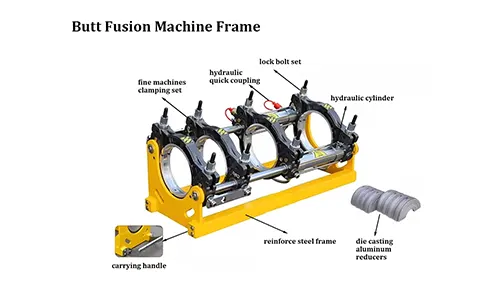
Butt fusion and electrofusion are the primary joining methods for polyethylene (PE) pipes used in modern gas distribution. Each method has clear strengths depending on project scale, pipe diameter, and site conditions:
| Method | Best for | Typical pipe range | Benefits |
|---|---|---|---|
| Butt fusion | Long runs, large diameters | Ø63mm–Ø2000mm+ | Strong homogeneous joint, cost-effective for high-volume pipelines |
| Electrofusion | Small diameters, repair & fittings | Ø16mm–Ø450mm | Precision on-site joints, ideal for connections in tight spaces |
| Mechanical fittings | Temporary works, branch connections | Varies | Quick assembly, useful for temporary or emergency repairs |
Selecting a Qualified Gas Line Welder
When choosing welding services in Paraguay, look for operators who demonstrate:
• Certification in PE butt fusion and electrofusion techniques, backed by documented weld logs and traceability.
• Proven experience on projects similar to local needs — urban distribution networks, LPG bulk delivery lines, or industrial gas supply.
• Modern, calibrated equipment for hydraulic, manual, or automatic fusion; quality trimmers, heaters and pressure-testing rigs.
• Rigorous on-site testing: pressure tests, visual inspection of fusion bead, and records per project QA/QC plans.
Typical Projects and Local Considerations
Paraguay’s economy includes agro-industry, energy generation and growing urban services. Welding teams often work on:
• Urban gas distribution and feeder pipelines in Asunción and Ciudad del Este.
• LPG or biogas piping at agricultural facilities, feedlots and processing plants across the Eastern Region.
• Industrial gas supply lines for manufacturing and energy-related facilities near hydroelectric sites and industrial parks.
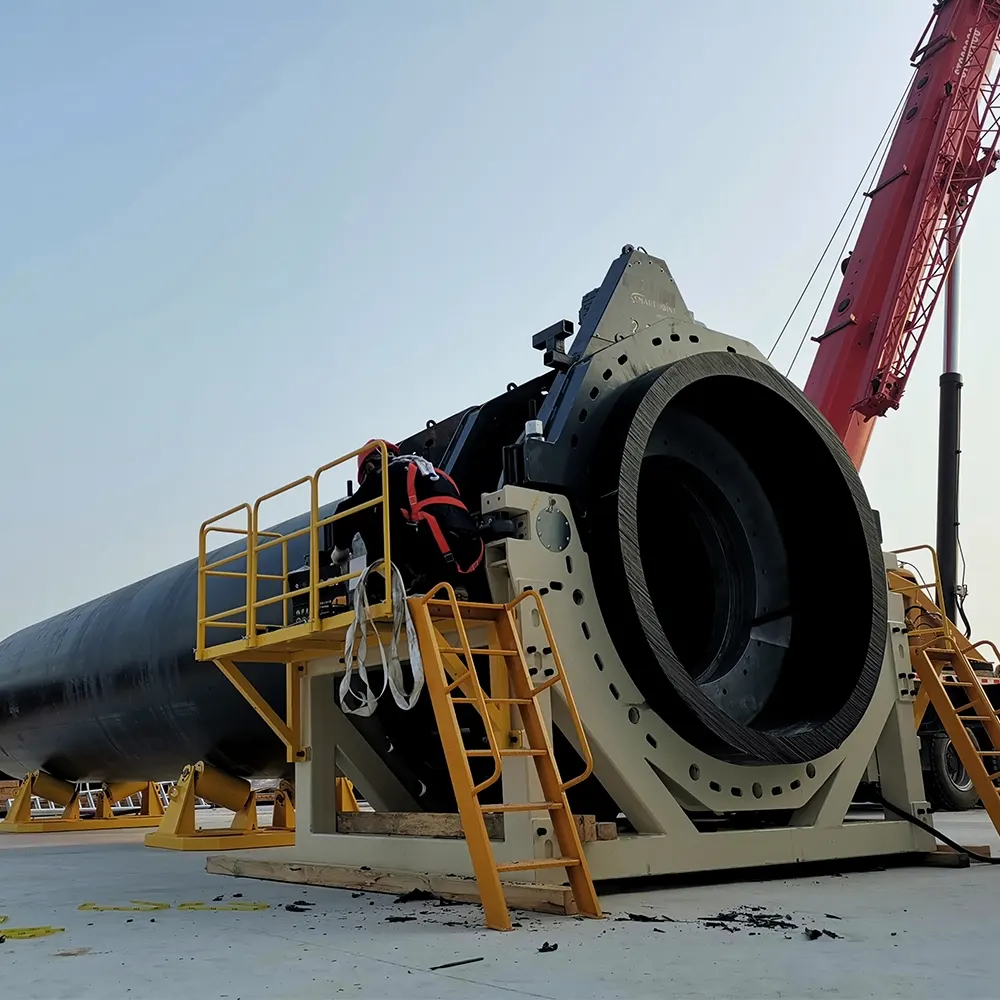
Local logistics, seasonal access, and coordination with municipal and national authorities are critical; experienced welders plan for transport of heavy fusion machines and staging in remote or flood-prone areas.
Maintenance, Safety & Compliance
Well-welded gas pipelines still require regular maintenance and safety checks. Key practices include scheduled pressure testing, leak detection surveys, cathodic protection checks where applicable, and keeping a weld traceability register. Emergency-response planning and operator training reduce risk to communities and the environment.
How to Get Started
For a reliable pipeline installation: prepare accurate route and pipe schedules, choose PE materials suited to local conditions (PE80/PE100 grades), engage certified welders with documented QA procedures, and ensure post-weld testing is completed prior to commissioning.
About JQ-Fusion: JQ-Fusion is a professional manufacturer specializing in HDPE pipe welding machines and butt fusion solutions for infrastructure projects worldwide. Learn more at https://jq-fusionwelding.com/



