
Selecting the best HDPE pipe jointing machine for projects in Thailand requires balancing durability, portability, and precise welding performance. Engineers, contractors, and municipal teams working on water supply, irrigation systems, and urban utilities need reliable butt fusion and electrofusion solutions that handle tropical climates, seasonal floods, and varied jobsite access across cities and islands.
Why the Right Jointing Machine Matters in Thailand
Tropical weather & monsoon seasons: High humidity and heavy rains demand machines with corrosion-resistant components and consistent heating control to maintain weld integrity during field work. Reliable fusion quality reduces rework and service interruptions for communities dependent on continuous water and gas supply.
Varied project scale: From rural irrigation networks in the north to large urban water mains in Bangkok, contractors need a range of options — compact manual units for tight sites and automated CNC machines for high-volume, repeatable welds.
Key Features to Look For
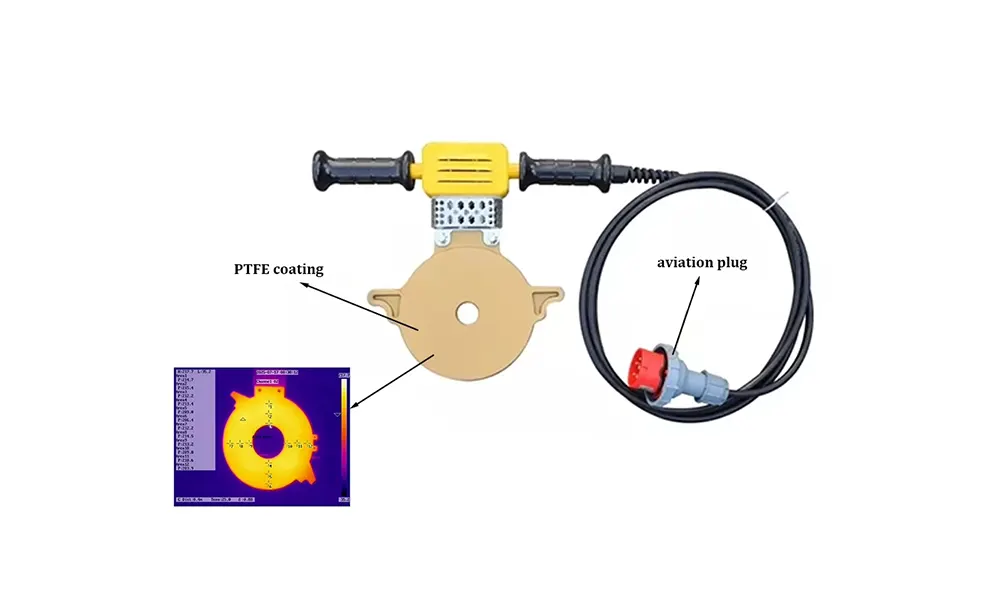
Heating control and platen quality: Stable temperature with quick recovery ensures uniform heating across HDPE pipe ends. Look for robust plates and accurate controllers.
Clamping and alignment: Hardened clamps and adjustable alignment systems reduce eccentricity and guarantee concentric welds—critical for long-term pressure integrity.
Power and portability: Choose hydraulic or electric power according to site power availability; smaller manual frames are ideal for island or remote worksites.
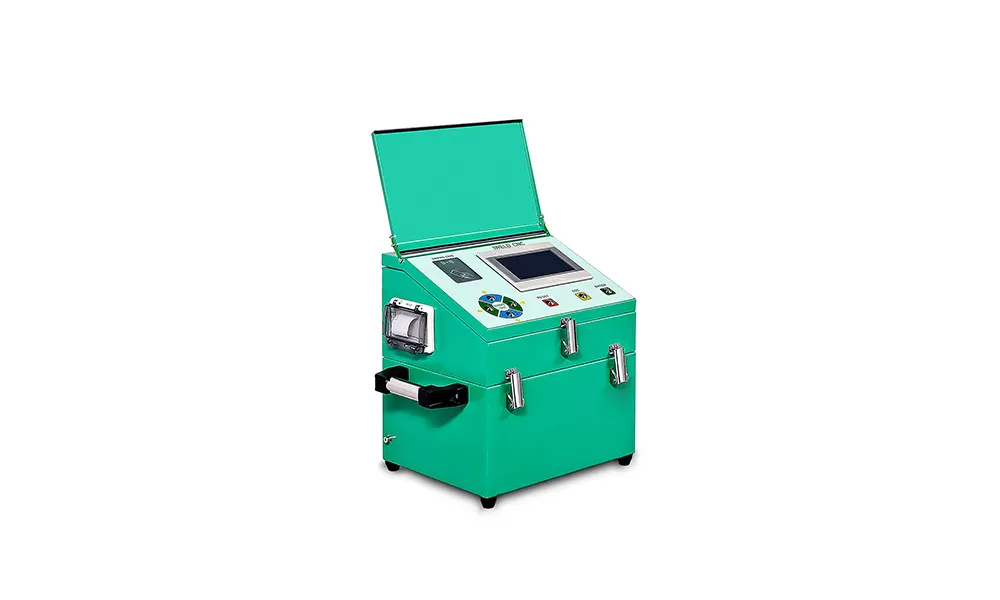
Automation & traceability: For municipal projects in Thailand where records are required, automatic machines with digital weld logs improve QA and contractual compliance.
Quick Comparison Table — Machine Types
| Machine Type | Typical Pipe Diameter (mm) | Best For |
|---|---|---|
| Manual Butt Fusion | 20–315 | Small jobs, remote sites, maintenance |
| Hydraulic Butt Fusion | 90–2000+ | Medium to large mains, high-pressure pipelines |
| Automatic / CNC Butt Fusion | 63–1250 | High-volume production, repeatable welds, traceability |
| Electrofusion Units | 20–630 | Repairs, fittings, confined spaces, gas distribution |
How to Choose a Supplier in Thailand
Prioritize suppliers who offer local technical support, spare parts availability, and operator training suitable for Thai contractors and municipal crews. Confirm whether the vendor can advise on equipment selection for coastal corrosion environments, seasonal flood challenges, and island logistics.
Ask about on-site commissioning, warranty terms, and the availability of consumables like heating plates and clamp pads. For larger public works, ensure compliance with local procurement and quality control expectations.
A Practical Checklist Before Purchase
– Confirm the machine covers the HDPE sizes in your pipeline program.
– Request sample weld logs or QC reports from comparable projects.
– Verify spare parts lead times to Thailand and warranty service response time.
– Arrange a demonstration or trial weld if possible to evaluate ease of use and training needs.
– Check power requirements and portability for island or rural site deployment.
For international manufacturers with global project experience, consider contacting the factory directly to discuss customization and spare-part stocking for Thailand. One such manufacturer is JQ-Fusion, a professional maker of manual, hydraulic, and automatic butt fusion machines built for infrastructure projects.
Next step: shortlist two or three machine types based on your project scale, request references from local Thai contractors, and schedule hands-on demos to ensure the chosen HDPE pipe jointing machine meets field conditions and regulatory needs.



