
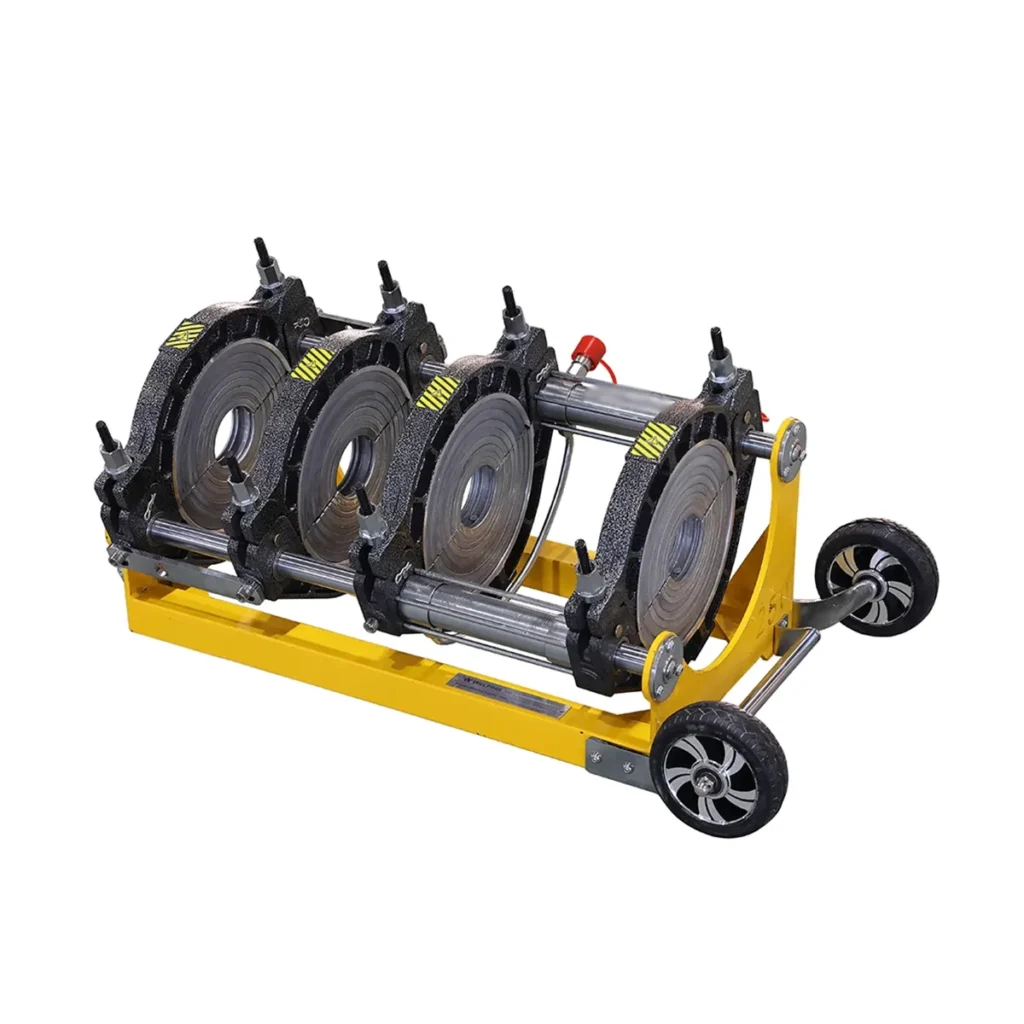
Choosing the right pipe installation hot melt equipment is a decisive step for contractors and plant managers who need efficient, reliable welds for HDPE and thermoplastic piping systems. This guide breaks down the critical differences between machine types, technical features to prioritize, and practical selection tips so you can match equipment to project scale, environment, and budget.
Types of Pipe Welding Equipment
Manual Butt Fusion Machines
Manual units are compact, portable, and ideal for small-diameter pipes and field repairs. They rely on operator skill for alignment, facing and heating. Choose a robust frame and precise clamps to minimize human error.
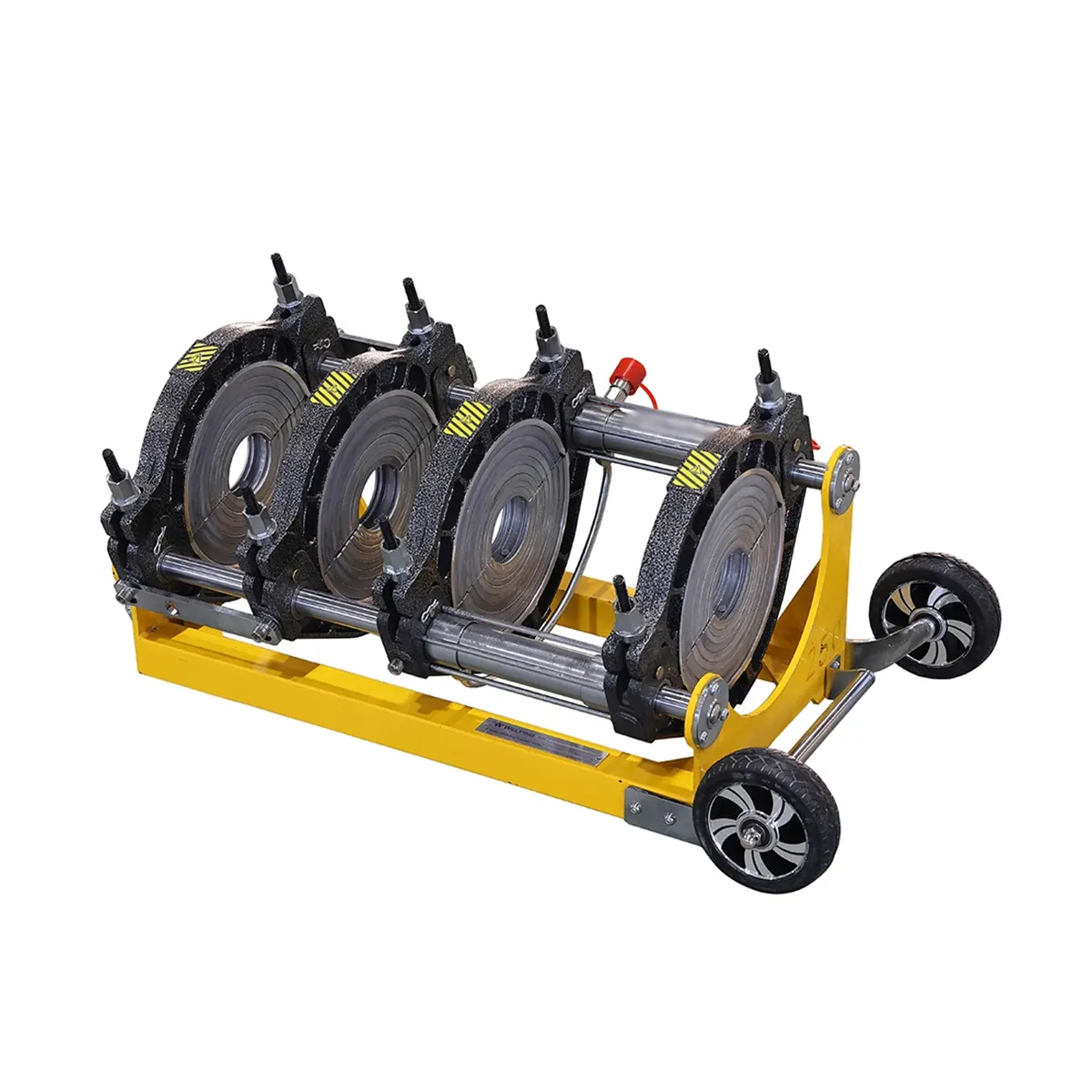
Hydraulic Butt Fusion Machines
Hydraulic systems deliver consistent pressure for larger diameters and longer runs. They reduce operator fatigue and improve repeatability — an excellent balance between portability and industrial performance.
CNC / Automatic Butt Fusion Machines
Automatic machines provide programmable cycles, digital traceability, and very high repeatability. They are best for pipeline contractors and manufacturers who need documented weld records and minimal manual intervention.
Key Selection Factors
Pipe Diameter and Material
Match machine clamping range and heating plate size to the pipe OD. For projects covering mixed diameters, prioritize modular or adjustable frames. Ensure the machine supports the specific polymer (e.g., HDPE, PP) and wall thickness used on site.
Project Scale and Work Environment
For frequent on-site work in remote areas, focus on portability, simple hydraulics and fuel/ battery options. For high-volume, factory or long-line installations, favor CNC automatic units with data logging and remote monitoring.
Weld Consistency and Documentation Needs
If your clients require QA/QC traceability, choose machines with digital controls, programmable weld cycles and the ability to export weld reports. This reduces rework and helps pass inspection audits.
Power, Maintenance and Spare Parts
Verify power requirements (electric, diesel or battery-assisted hydraulics), serviceability of heaters, and local availability of spares such as heating plates, clamps and hydraulic seals. Machines with accessible components reduce downtime.
Performance and Safety Indicators
Heating plate quality: flatness, coating and temperature uniformity directly affect fusion quality.
Clamping tolerance: fine adjustment and rigid clamps keep pipe ends perfectly aligned under pressure.
Control system: intuitive interfaces, preset weld programs and protection features (overpressure/overtemperature) improve safety and reduce operator errors.
| Feature | Manual | Hydraulic | Automatic / CNC |
|---|---|---|---|
| Best for | Small repairs, tight sites | Medium to large diameter lines | High-volume, documented welds |
| Portability | High | Moderate | Low |
| Consistency | Operator dependent | High | Very high |
| Traceability | None | Optional | Standard |
| Typical ROI timeframe | Short (low capex) | Medium | Long-term (best for repeat contracts) |
Practical Buying Checklist
Confirm pipe diameter range and pressure class compatibility. Ask for sample weld reports or on-site demos that show heating plate uniformity and clamp alignment.
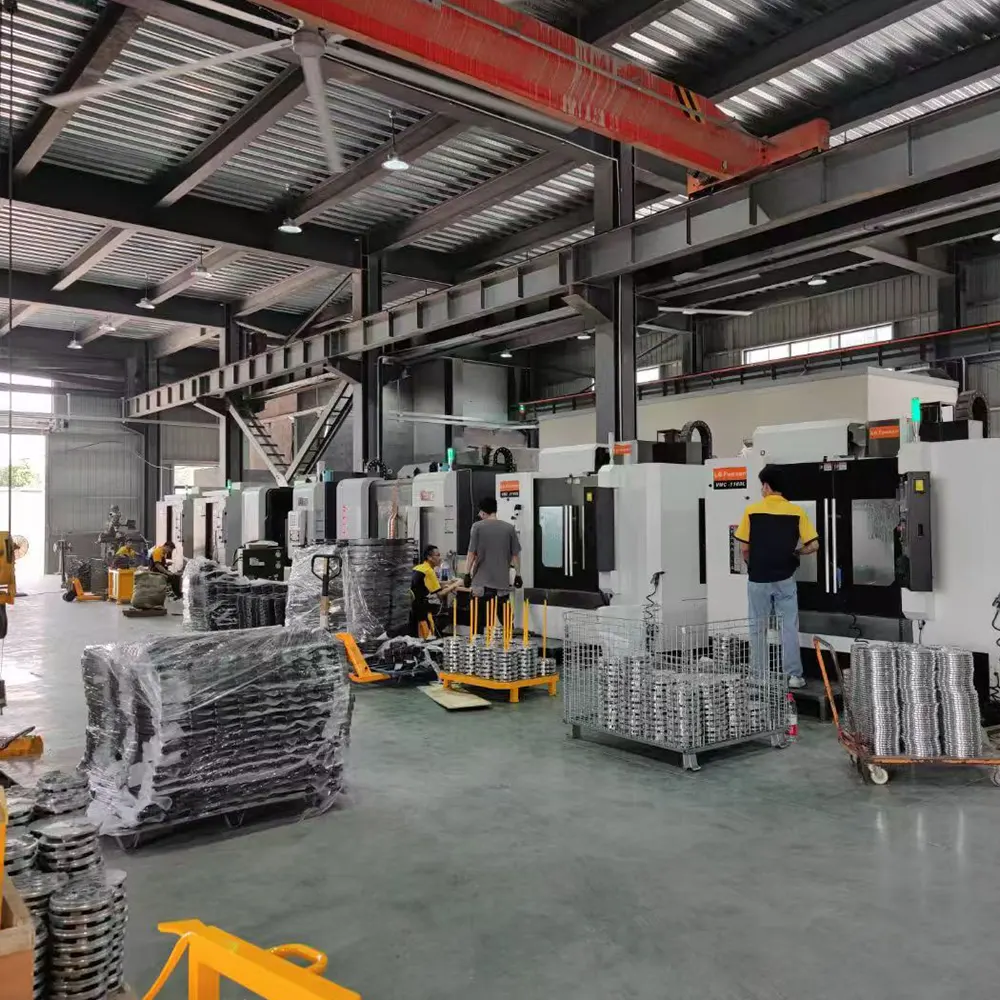
Request a full list of spare parts, lead times and recommended consumables (e.g., scraper blades, heaters). Check warranty terms and available service contracts.
Verify operator training options and whether the supplier offers installation, calibration and calibration certificates for inspection compliance.
Cost vs. Value: How to Evaluate ROI
Initial price is important, but consider lifecycle costs: downtime, consumables, training and the cost of potential rework from poor welds. For recurring large projects, an automatic system often delivers the best long-term value because of reduced labor and consistent weld quality.
Maintenance, Calibration and Operator Training
Schedule regular heater and platen calibration, hydraulic fluid and seal checks, and clamp inspection. Well-maintained machines extend service life and ensure weld integrity. Invest in certified training to standardize operator technique and reduce variations.
Final Recommendation
Match machine type to the typical project profile: choose portable manual units for ad-hoc repairs, hydraulic machines for larger field pipelines, and CNC automatic systems for production environments with QA requirements. Prioritize heating plate quality, clamp precision, traceability features and local service availability when making a purchase.
Manufacturer: JQ-Fusion



