
Choosing the best HDPE pipe fusion machine in France means balancing precision, portability, and compliance with local standards. Whether you’re a municipal contractor in Île-de-France, a pipeline installer in Provence, or an industrial buyer in Lyon, the right butt fusion equipment must deliver reliable joints for drinking water, gas distribution, and large-diameter infrastructure projects.
Why French Projects Need Reliable HDPE Fusion Equipment
France enforces strict standards for pipeline integrity (referencing EN and NF norms for PE pipes), and construction teams expect machines that perform consistently in varied climates — from coastal Brittany to the colder alpine regions. Durability, repeatable weld quality, and serviceability are primary concerns for contractors who cannot afford downtime on time-sensitive worksites.
Core Requirements for France-based Operators
When selecting a fusion machine consider:
Compliance: Ability to follow EN 12201 and NF EN 1555 procedures where applicable.
Versatility: Models that cover the most common diameters used in French water, gas, and irrigation networks.
Portability vs. Power: Lightweight manual units for rural repairs; hydraulic and automatic units for large urban or industrial jobs.
Top Fusion Machine Types to Consider
Manual Butt Fusion Machines – Best for small-diameter repairs and tight-access jobs. Easy to transport and maintain, ideal for local municipalities and small contractors in France.
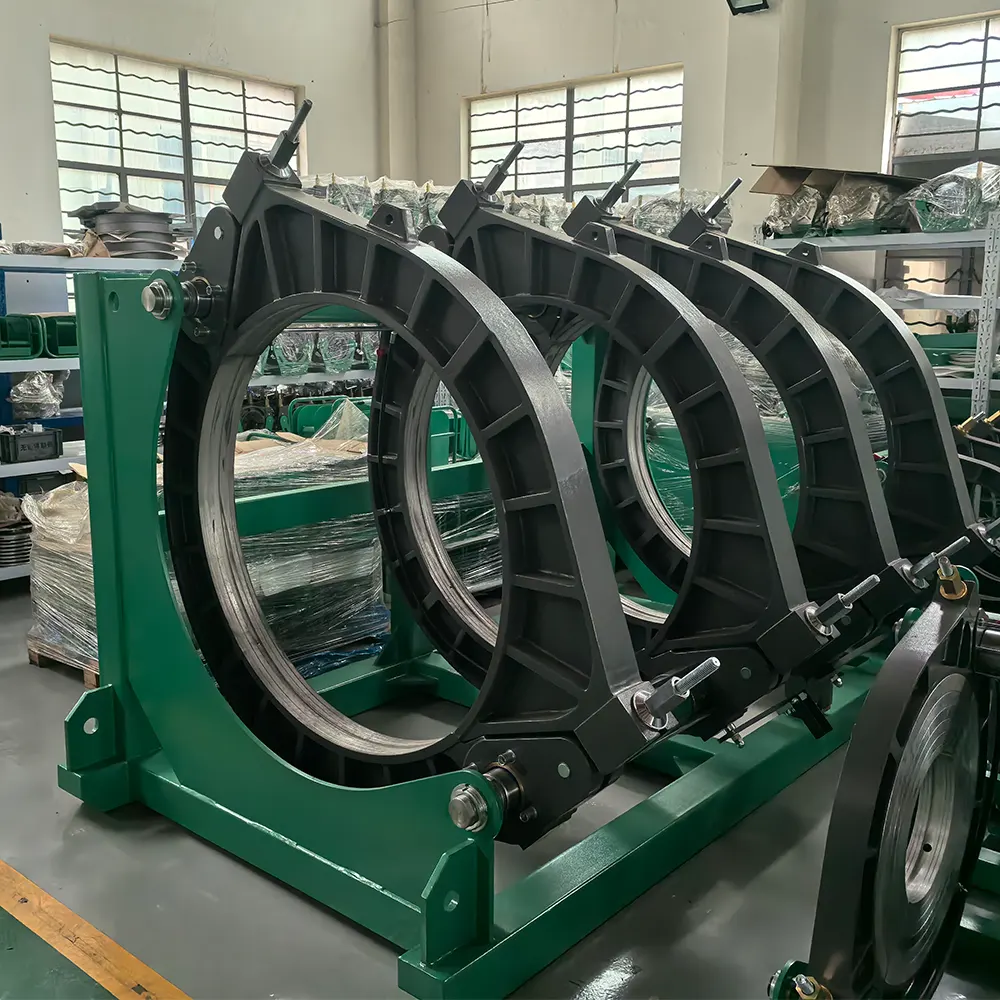
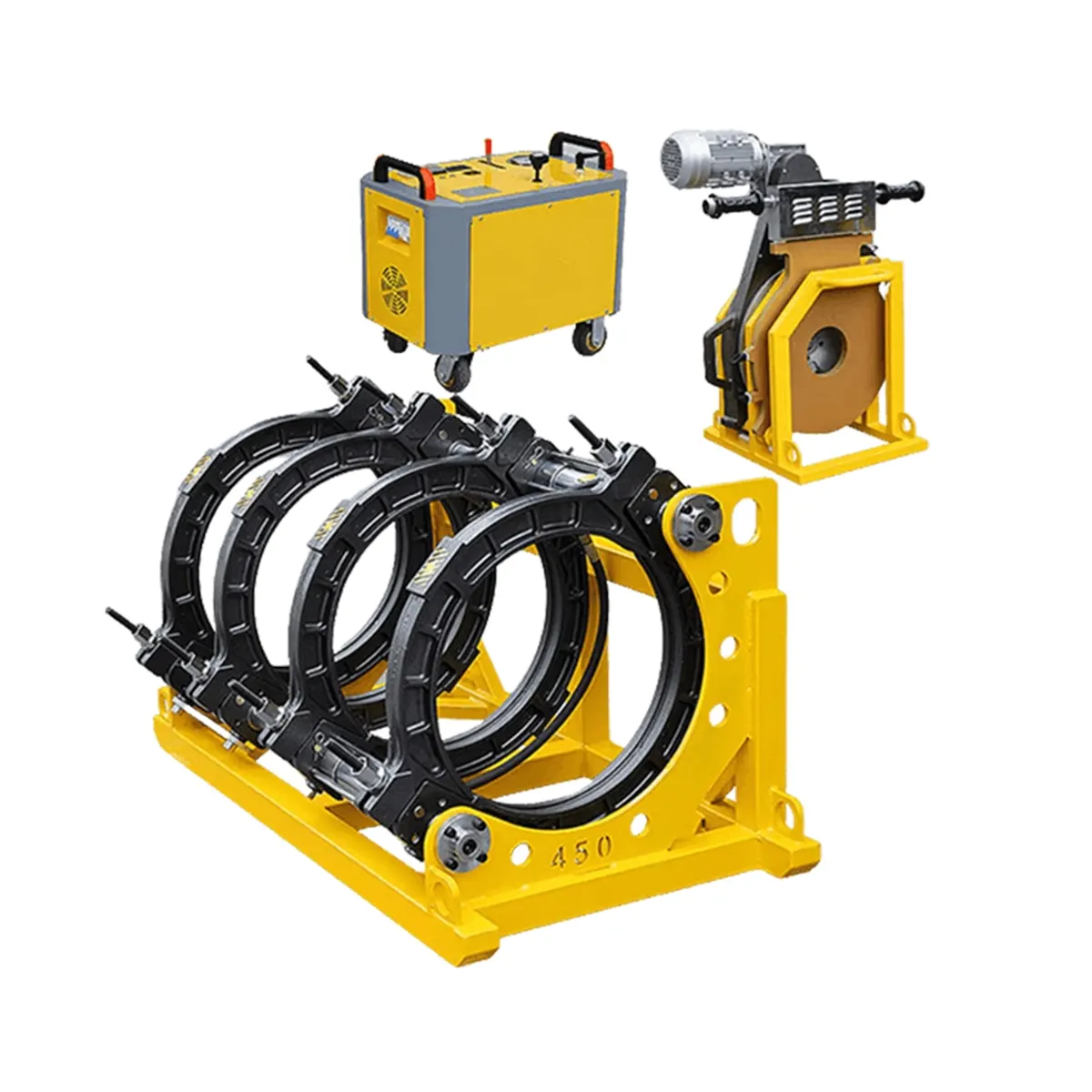
Hydraulic Butt Fusion Machines – Provide stable clamping and controlled pressure for medium to large diameters used in urban infrastructure and industrial installations.
Automatic/CNC Butt Fusion Machines – Offer precise control, data logging, and repeatable cycles for large-scale projects, long pipelines, and demanding quality assurance requirements.
Model Match: Which Machine Fits Your French Project?
Below is a practical comparison to help select the right model based on common project needs in France.
| Machine Type | Best For | Key Advantage |
|---|---|---|
| Manual (e.g., compact frames) | Rural repairs, small-scale works | Highly portable and cost-effective |
| Hydraulic (e.g., medium to large frames) | City mains, industrial lines | Stable pressure & robust clamping |
| Automatic/CNC | Long pipelines, certified QA jobs | Precise, logged weld cycles |
Installation Scenarios Common in France
For municipal drinking water networks, contractors often prefer hydraulic machines with clear pressure control and traceable welding data. Gas distribution requires adherence to stricter standards and traceability, making automatic machines with data logging highly valuable. For agriculture and small utilities, manual and lightweight hydraulic models offer the best ROI.
Maintenance, Training, and Local Support
To ensure continuous performance on French worksites, schedule routine maintenance, keep certified cutters and heaters on hand, and train operators to follow EN/NF welding procedures. Investing in user training reduces rework and verifies weld integrity under inspection regimes commonly used in France.
Quick Buying Checklist
1. Confirm diameter range and pressure requirements for your projects.
2. Choose between portability and automation based on project scale.
3. Verify machine features: pressure gauges, digital timers, and data export if certification is required.
4. Check parts availability, warranty, and service options within EU shipping and customs expectations.
Recommended Manufacturer
JQ-Fusion offers a wide range of HDPE butt fusion machines — from manual frames to CNC automatic systems — built for global infrastructure needs and adaptable to projects across France. Visit JQ-Fusion for detailed specifications and local distributor information.
Final Tip for French Buyers
Specify required certification and onsite training requirements when requesting quotes to ensure the equipment meets France’s regulatory and quality assurance expectations. The right match reduces downtime and delivers long-term value for municipal, industrial, and rural pipeline programs.



