
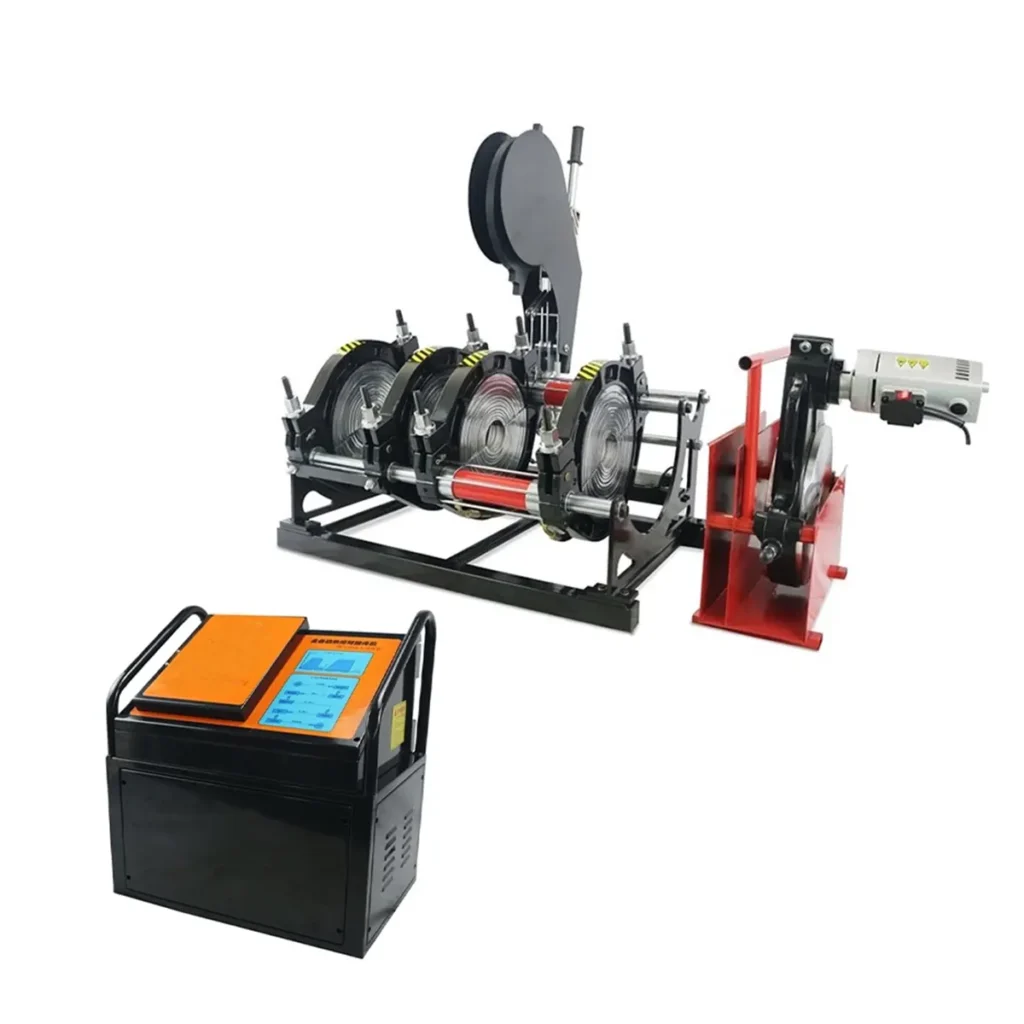
Finding the best HDPE jointing machine supplier in Armenia means balancing equipment reliability, local climate demands, and long-term service. This guide helps Armenian contractors, municipal engineers, and pipeline installers choose the right butt fusion and electrofusion equipment for water, gas, and industrial projects — with clear selection criteria, local considerations, and practical recommendations.
Why HDPE Welding Equipment Matters for Armenia
Armenia’s infrastructure projects often face rugged terrain, seismic risk, and cold winters in highland regions. That makes pipe joint integrity and flexible connections essential. HDPE piping systems are widely adopted across the country for potable water, irrigation, gas distribution, and mining applications — so selecting the correct jointing machine directly impacts leak prevention, installation speed, and lifecycle cost.
Key selection criteria for Armenian buyers
Durability: machines must withstand outdoor use and frequent transport to remote sites. Range: suppliers should cover pipe sizes from small distribution lines to large-diameter trunk mains. Service & parts availability: rapid access to spare parts and training lowers downtime on critical projects.
Technical checklist
| Feature | Ideal Spec | Why it matters in Armenia |
|---|---|---|
| Machine type | Manual / Hydraulic / CNC Automatic | Matches project scale from village mains to national pipelines |
| Temperature tolerance | -20°C to +50°C operation | Reliable performance during Armenian winters and mountain conditions |
| Portability | Easy to transport with compact frames | Essential for remote village and hillside installations |
| Certification | ISO / CE / Welding procedure documentation | Ensures compliance with international standards and local procurement |
Best machine types for common Armenian projects
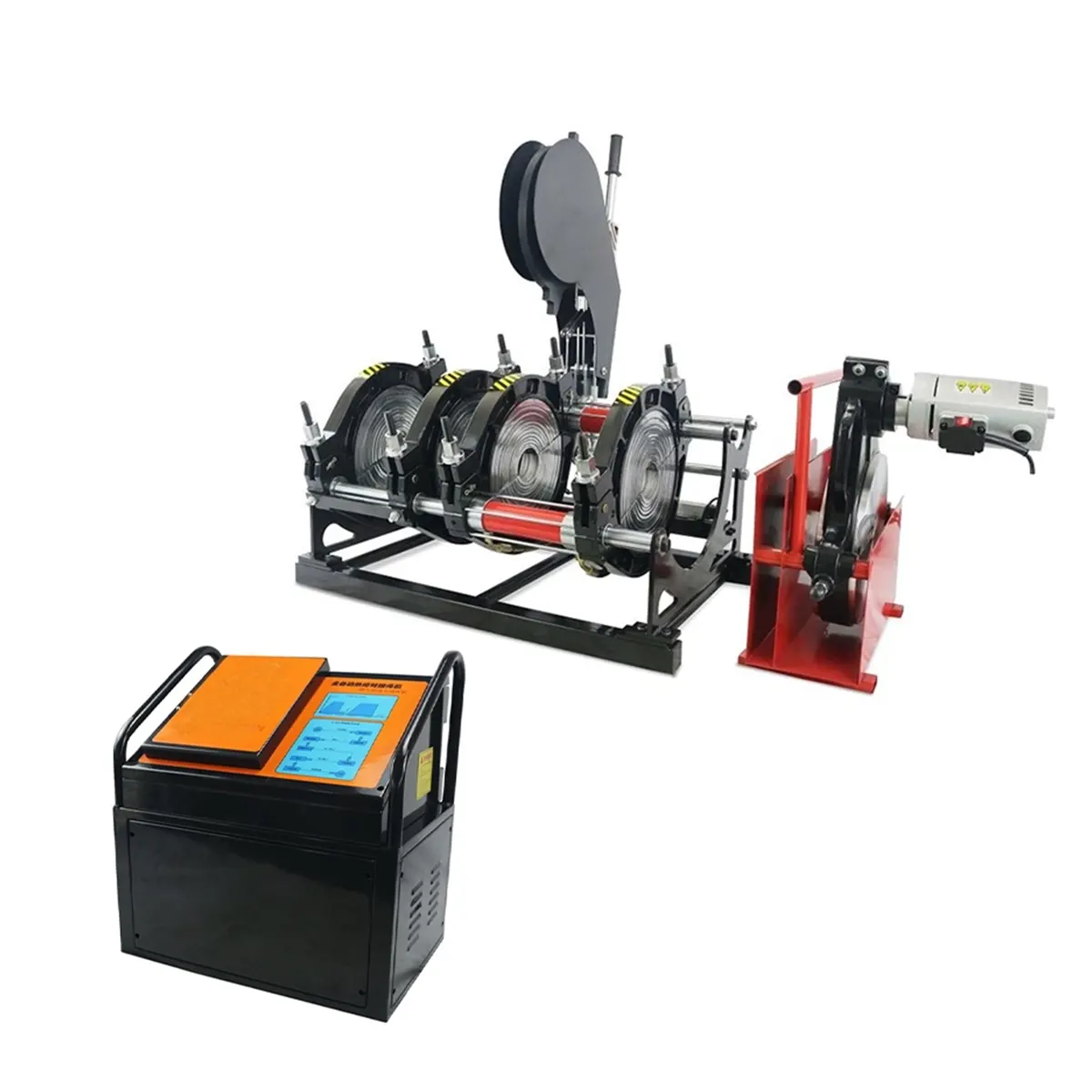
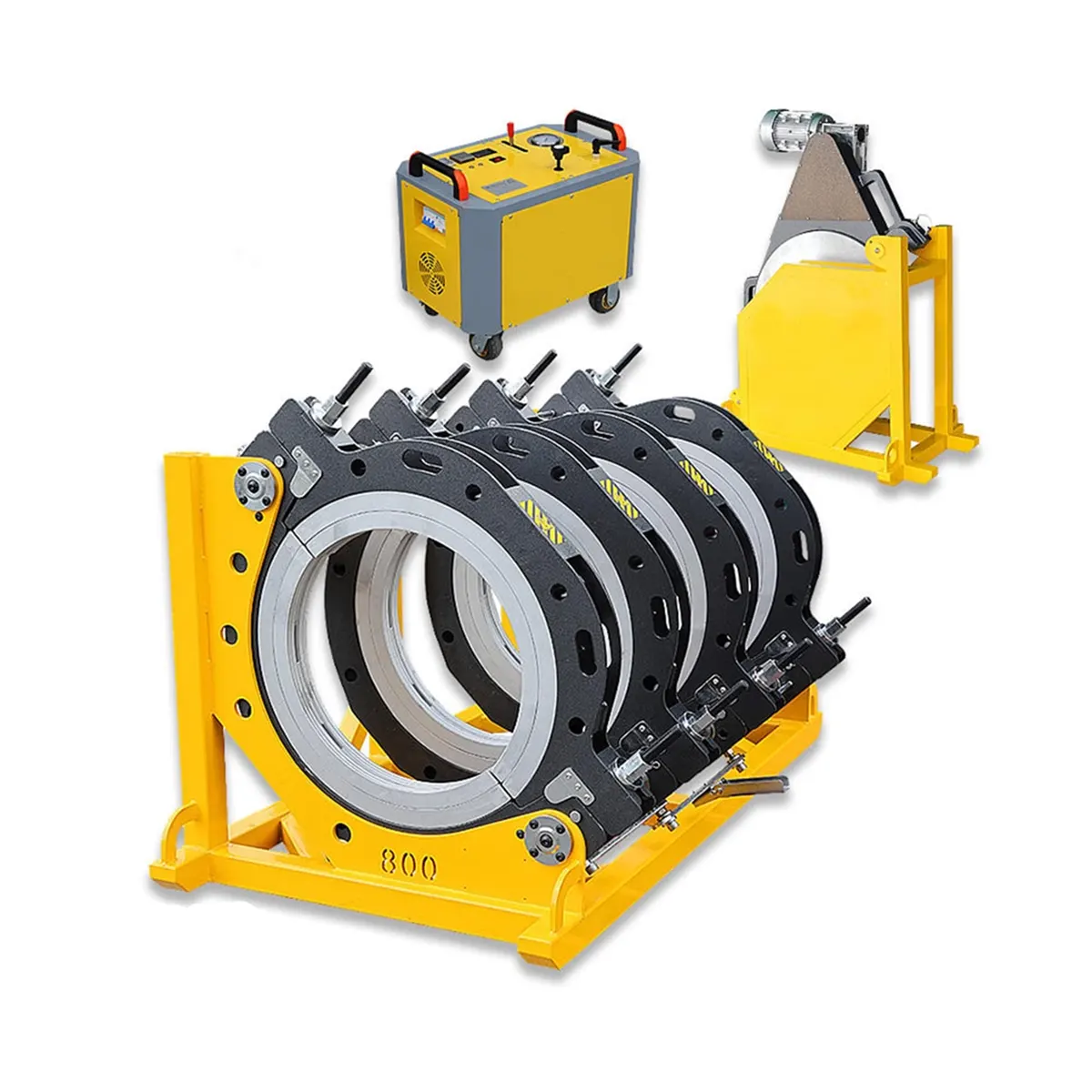
Manual butt fusion machines suit small towns and repair crews — easy to maintain and cost-effective. Hydraulic machines offer higher clamping force and are ideal for medium to large distribution networks and irrigation canals. For large urban pipelines and industrial jobs, automatic/CNC butt fusion machines deliver precision, repeatability, and faster weld cycles, which reduce labor costs on big projects.
Local logistics, training & support
Armenian buyers should confirm lead times for shipping and customs clearance, especially for oversized frames. On-site training for weld crews and clear maintenance documentation are decisive factors: trained operators reduce rework and warranty claims. Consider suppliers who provide remote technical support, spare parts kits, and periodic calibration guidance to keep weld quality consistent across regions like Yerevan, Lori, Shirak, and Syunik.
Cost vs. performance: choosing the right investment
Lower upfront cost can be attractive, but prioritize machines with stable hydraulic systems, robust heating plates, and reliable clamping frames. These features improve first-pass weld success rates and long-term performance in Armenia’s varied environments.
Why this supplier is a strong match
JQ-Fusion (https://jq-fusionwelding.com/) manufactures a wide range of HDPE butt fusion and electrofusion machines — from manual to CNC automatic — with emphasis on durability, customizable solutions, and global project experience that align well with Armenian infrastructure needs.
Practical next steps for Armenian buyers
Request machine specs for the specific pipe diameters you use, ask for reference projects in similar climates, confirm spare part delivery times, and schedule operator training. Evaluate warranty terms and on-site support options to ensure long-term reliability.
Ready to compare models? Gather your pipe size range, expected annual welding volume, and site conditions; use these details to request tailored quotes and machine demos that match Armenia’s project demands.



